Congress snubbed delimitation talks: Govt signals Parliament session
Source Entity
TNN
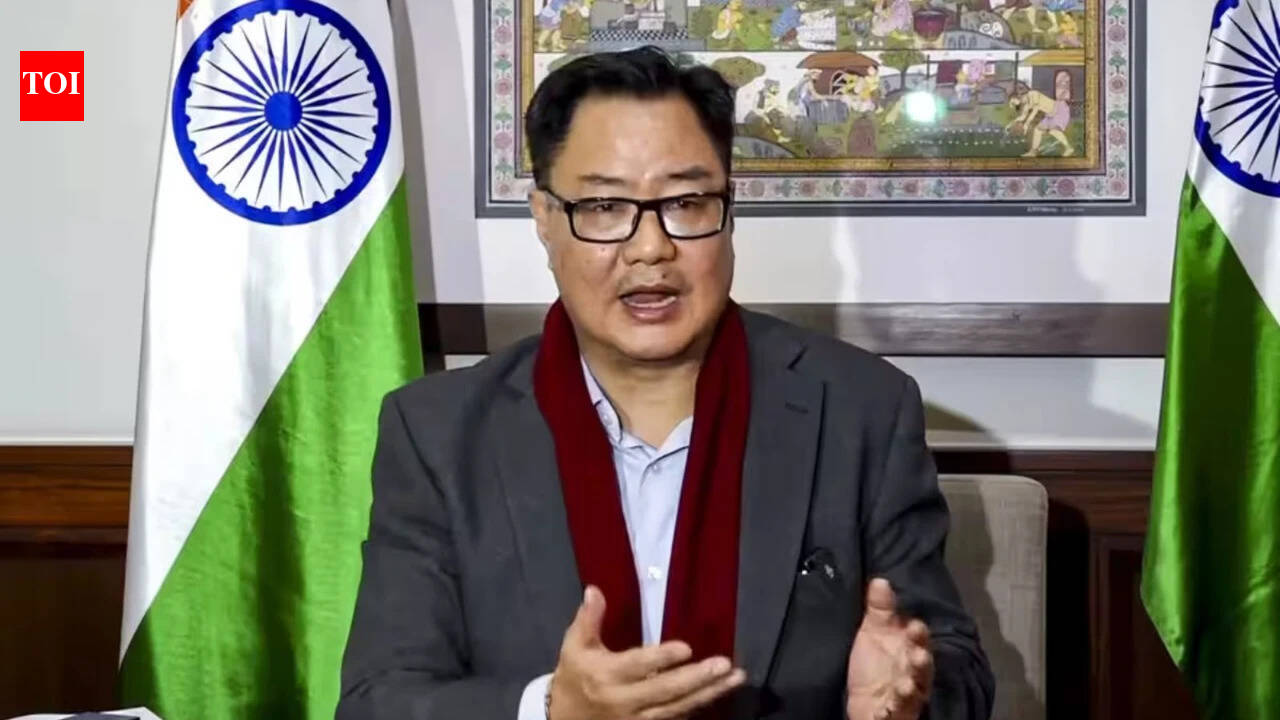
The government has rejected Congress's demand for fresh delimitation talks, citing prior consultations with other opposition parties. Tensions remain high following the failure of the 2026 Constitution Amendment Bill to secure a two-thirds majority.
The Delimitation Deadlock: Government and Opposition at Odds
Recent political developments in New Delhi have highlighted a deepening rift between the Union government and the Congress party regarding the proposed delimitation of Lok Sabha constituencies. Parliamentary Affairs Minister Kiren Rijiju has publicly rebuffed the demand by Congress president Mallikarjun Kharge for an all-party meeting, asserting that the government has already engaged in sustained dialogue with other opposition entities, including the Samajwadi Party, DMK, and NCP (SP).
The Context of Legislative Failure
The current friction is rooted in the legislative defeat of the Constitution (One Hundred and Thirty-First Amendment) Bill, 2026, which occurred on April 17, 2026. The bill, which aimed to increase the Lok Sabha’s total seats to 850 while reserving 33% of those seats for women, failed to pass the Lower House. It secured 298 votes in favor but fell short of the constitutionally mandated two-thirds majority, as 230 members voted against it. This failure has set the stage for a contentious debate over how to move forward with electoral reforms.
Government’s Stance on Consultation
Minister Kiren Rijiju has framed the government's position as one of active outreach, countering allegations that the administration is bypassing consensus. By detailing that consultations have already been held with multiple opposition parties, the government is attempting to shift the narrative, suggesting that the Congress party's repeated calls for meetings are performative rather than constructive. Rijiju’s rhetoric emphasizes that the government expects a cooperative role from the Opposition to ensure the passage of critical constitutional amendments.
The Strategic Importance of Delimitation
Delimitation is a sensitive exercise in Indian politics, as it directly impacts the power dynamics of regional representation and the demographic composition of the legislature. The proposal to expand the Lok Sabha to 850 seats is not merely a logistical update but a fundamental restructuring of the parliamentary landscape. The government’s urgency to pass this legislation, potentially through a short special session of Parliament, underscores its desire to finalize the framework ahead of the 2029 general elections.
Broader Implications and Future Trends
The ongoing standoff suggests that the path to a two-thirds majority remains narrow. For the government, the challenge lies in building a broader coalition that can bridge the ideological gap with the Congress while maintaining its existing support base. If the government proceeds with calling a special session, it will be a high-stakes gamble to secure the necessary numbers. Should they fail again, it could lead to a prolonged delay in implementing the 33% women's reservation quota, further complicating the electoral roadmap for the next decade.
Conclusion
Ultimately, the impasse over the Delimitation Bill reflects the broader challenges of governance in a polarized parliamentary environment. While the government maintains that the door for dialogue has been open, the Congress party’s insistence on a specific format for consultation suggests that the disagreement is as much about political optics and procedural legitimacy as it is about the substance of the bill itself. The coming weeks will be critical in determining whether the government can manufacture the consensus needed to reshape India's legislative architecture.