Government to review airport drop-off charges after sharp increase
Source Entity
BBC News
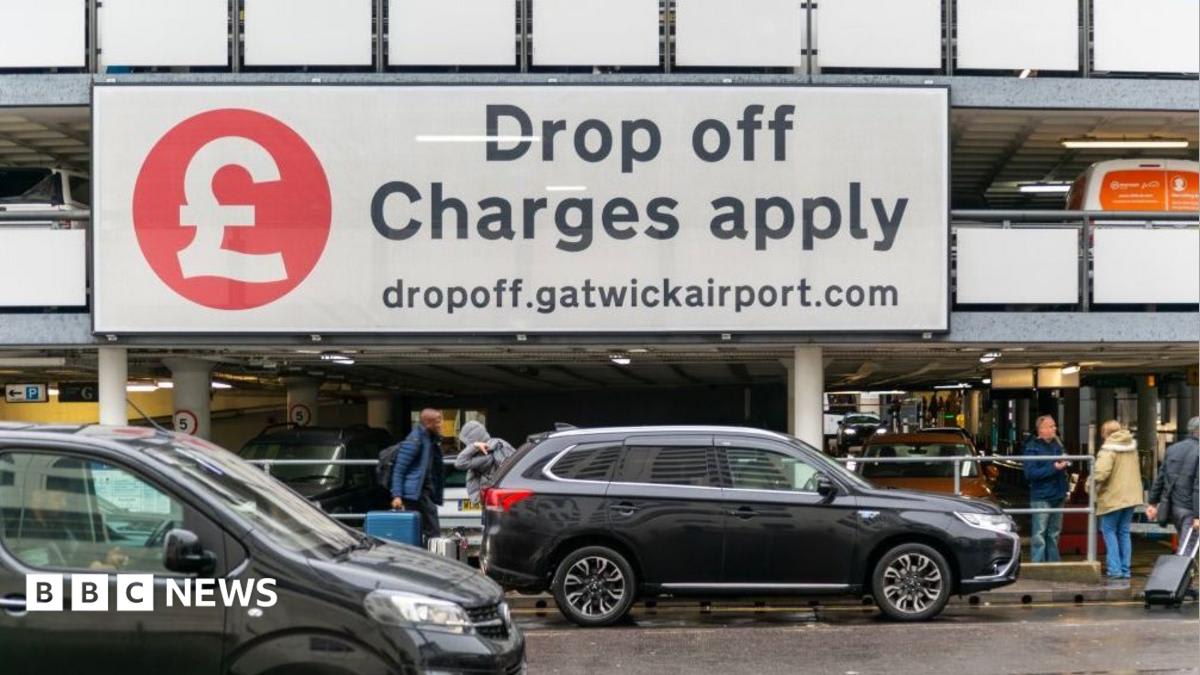
The UK government has launched a review into rising airport drop-off fees following significant price hikes across major hubs. Officials aim to balance airport revenue models with the need to keep travel accessible for the public.
Government Intervention in Rising Airport Drop-off Fees
The Surge in Airport Access Costs
The UK government has officially initiated a comprehensive review of airport drop-off charges, a move prompted by a sharp and consistent increase in fees over the past year. Since the summer of 2025, analysis indicates that these costs have climbed by an average of one-third at major airports across the country. This trend has placed an unexpected financial burden on travelers, turning what was once a routine and minor part of the airport experience into a significant additional travel expense.
Regional Impact and Price Disparities
The financial strain is not distributed evenly, with major hubs seeing the most dramatic adjustments. Airports such as Gatwick and Stansted have seen fees increase from £7 to £10, marking a substantial percentage jump. Similarly, Edinburgh Airport has raised its rates from £6 to £8.50, while smaller regional hubs like Bournemouth, Leeds Bradford, and London City have aligned their fees at £8. These figures highlight a broader industry trend where airports are increasingly monetizing terminal access to offset operational costs, often at the expense of convenience for private motorists.
Government Justification and Regulatory Intent
In its official response, the Department for Transport emphasized that the review is driven by the necessity of maintaining travel accessibility. By stating that it is "vital to ensure travel remains accessible and that passengers are treated fairly," the government is signaling a shift toward potentially stricter oversight of auxiliary airport revenue streams. The objective is to strike a balance between the commercial autonomy of private airport operators and the public's right to affordable infrastructure access.
The Challenge of Limited Alternatives
A critical component of the government's concern involves airports where public transport alternatives are limited. When passengers are forced to rely on private drop-offs because train or bus links are inadequate or non-existent, the drop-off fee functions less like a choice and more like a "captive audience" tax. The government is now actively urging airport operators to exercise restraint, particularly in these specific scenarios where consumers have no reasonable, affordable mode of ingress to the terminal.
Broader Economic Implications and Future Trends
This review could set a precedent for how the aviation sector manages secondary revenue streams. Historically, airports have moved away from traditional parking models toward high-frequency, short-stay drop-off fees to maximize throughput and space utilization. However, the current backlash suggests that the market may be reaching a ceiling of consumer tolerance. Future trends likely involve a more regulated approach to these fees, potentially requiring airports to demonstrate that price hikes are tied to specific facility improvements or traffic management requirements rather than purely profit-driven motives.
Conclusion: Striking a New Balance
As the Department for Transport moves forward with its review, the industry awaits potential guidance or legislative constraints on how these fees are calculated. Whether this results in a mandatory cap or a voluntary code of conduct, the primary takeaway is that the government is prioritizing the passenger experience. Ensuring that the "cost of travel" remains transparent and reasonable is essential for the sustained growth and public approval of the UK's aviation network.