UK growth upgraded but energy prices and rates to bite in 2027
Source Entity
BBC News
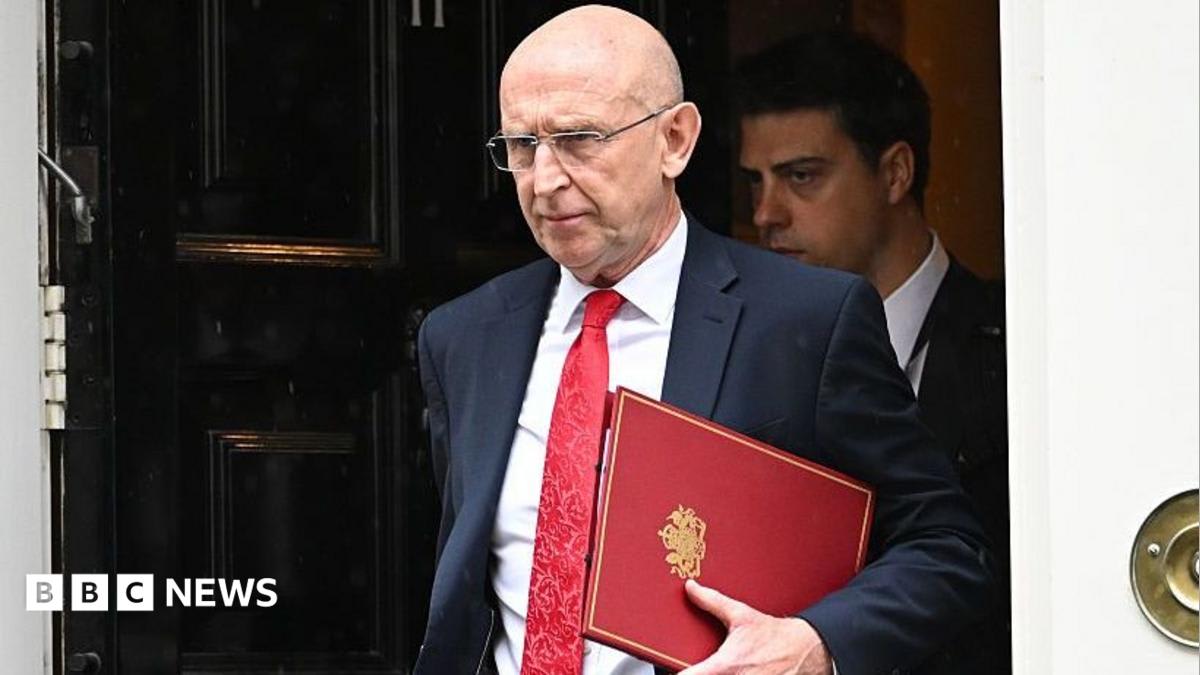
The IMF has upgraded the UK's growth forecast for 2026, citing economic resilience despite global energy shocks. However, the government faces looming challenges in 2027 from interest rates and energy prices as it prepares its first Budget.
IMF Upgrades UK Growth Outlook Amidst Global Uncertainty
The International Monetary Fund (IMF) has provided a nuanced outlook for the United Kingdom, raising its growth forecast for 2026 to 1.3%, an improvement over the 1% projection issued in July. This adjustment comes as Prime Minister Andy Burnham’s government finalizes its first Budget, a pivotal moment for the new administration as it seeks to balance fiscal responsibility with the necessity of supporting households. Chancellor John Healey has signaled an intent to provide 'breathing space' for citizens, suggesting a delicate calibration of tax and spending policies is underway.
The Shadow of Global Geopolitics
While the UK economy has demonstrated resilience, the IMF’s report emphasizes that the global landscape remains volatile. The ongoing energy price shock, a direct consequence of the US-Iran war, continues to pose a significant risk to international stability. Although economies have thus far navigated these disruptions better than initially feared, the IMF cautions that the long-term fallout remains 'highly uncertain,' with potential headwinds expected to impact growth trajectories by 2027 due to sustained pressure from energy costs and elevated interest rates.
Fiscal Discipline and the G7 Context
One of the most notable findings from the IMF is the UK’s comparative strength in managing public debt. The report highlights that the UK, alongside India, stands out among major global economies for its commitment to fiscal consolidation. Projections indicate that by 2031, the UK is expected to achieve the lowest annual borrowing levels within the G7, a group that includes economic powerhouses like the US, Germany, and Japan. This stands in stark contrast to the US, where deficit reduction remains a secondary priority, and other European nations struggling with similar fiscal constraints.
The Mechanics of Consolidation
Sir Howard Davies, a former deputy governor of the Bank of England, attributes this fiscal trajectory to the stability of a government with a clear majority. This political mandate allows for the implementation of difficult fiscal measures necessary to curb debt. The government is widely expected to achieve these targets through a combination of tax increases and cuts to public services, though the exact composition of these measures remains the subject of intense focus as the Budget announcement approaches.
Future Trends and Challenges
Looking toward 2027, the primary challenge for the UK will be balancing this structural fiscal discipline with the need to avoid stifling economic recovery. As interest rates and energy prices threaten to dampen growth, the government will need to navigate a narrow path. The success of these policies will likely define the early years of the Burnham administration, as it attempts to maintain the trust of international observers like the IMF while addressing the immediate financial pressures faced by the British public.