At 5.5%, retail inflation hits 9-month high on food prices
Source Entity
TNN
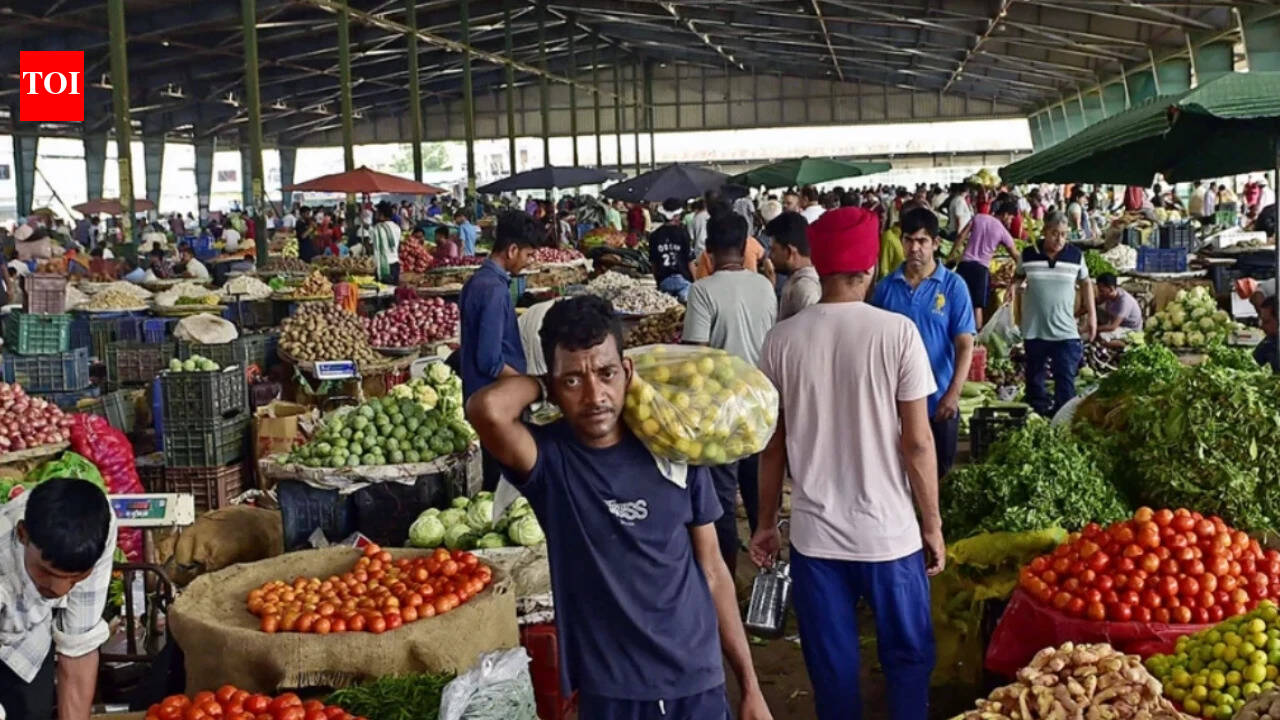
India's retail inflation spiked to a 5.54% high in September, primarily fueled by a sharp 7.74% surge in food prices. This trend, marked by a dramatic doubling of onion costs, has pushed inflation above the RBI's 4% target for four consecutive months.
India's Inflation Surge: A Deep Dive into September's CPI Data
The Anatomy of the Price Spike
India’s retail inflation, measured by the Consumer Price Index (CPI), reached a significant threshold in September, climbing to 5.54%. This figure represents a nearly two-year high and a stark departure from the 4.8% recorded in August. The primary engine behind this upward trajectory is food inflation, which soared to 7.74%, the highest level since the introduction of the current CPI series. This surge has placed immediate, tangible pressure on household budgets across the nation.
The Volatility of Essential Commodities
Central to this inflationary spike is the extreme volatility in vegetable prices. Specifically, onion prices have seen a staggering 108% increase, effectively doubling in cost for the average consumer. Interestingly, the market has displayed a bifurcated trend: while onions have driven the headline number higher, other staples such as potatoes and tomatoes have experienced price corrections or drops. This divergence highlights the challenges in managing food supply chains, where localized shocks can disproportionately impact the national inflation index.
Geographic Disparities in Price Pressures
Inflationary impacts are not being felt uniformly across the Indian subcontinent. Data indicates that Puducherry is currently facing the highest inflation rate in the country at 6.86%, closely followed by Tamil Nadu. These regional variations suggest that logistical bottlenecks, local demand-supply imbalances, and climatic factors play a crucial role in determining the cost of living at a granular level, complicating the national picture for policymakers.
Monetary Policy and the RBI's Balancing Act
This data release comes on the heels of the Reserve Bank of India (RBI) increasing the repo rate by 25 basis points. With headline inflation remaining above the RBI’s medium-term target of 4% for four consecutive months, the central bank faces a delicate balancing act. While the 5.54% figure remains within the RBI’s broader tolerance band of 2% to 6%, the upward momentum forces the monetary authority to remain vigilant against persistent price pressures that could threaten long-term economic stability.
Future Trends and Economic Implications
Looking ahead, the combination of surging food costs and a tightening monetary environment suggests a period of sustained caution for the Indian economy. If food prices do not stabilize, the ripple effect could influence broader core inflation, potentially leading to reduced discretionary spending among households. The government and the central bank will likely need to focus on supply-side interventions, such as improving storage and logistics for perishable goods, to mitigate the impact of volatile vegetable prices on the overall macroeconomic landscape.