Avoid WhatsApp Web for sensitive, official work: Ministry of home affairs flags cybersecurity risks
Source Entity
Latest News: Todays Latest News Headlines from India & World | Hindustan Times
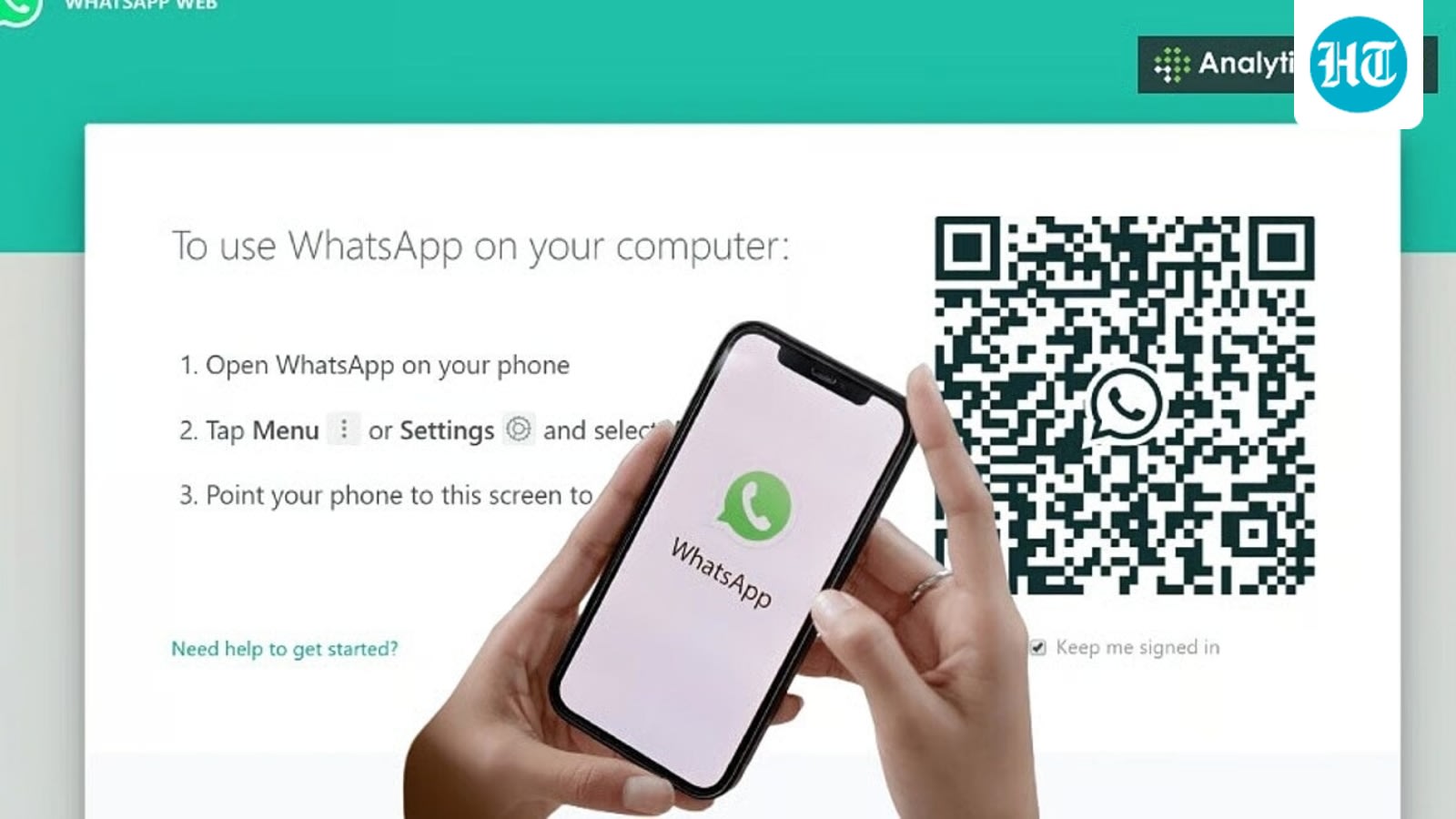
The Indian government has issued a critical cybersecurity advisory warning users that closing a browser tab does not secure a WhatsApp Web session. Users are urged to manually log out of all active sessions to prevent unauthorized access, data theft, and impersonation.
Cybersecurity Alert: The Risks of WhatsApp Web Sessions
The Indian Ministry of Home Affairs, through the National Cybercrime Threat Analytics Unit (NCTAU) of the Indian Cyber Crime Coordination Centre (I4C), has issued a significant advisory regarding the security of WhatsApp Web. This warning highlights a fundamental misunderstanding among many users: that closing a browser tab or window effectively terminates an active session. In reality, these sessions remain authenticated, creating a persistent security vulnerability that malicious actors can exploit.
The Mechanics of Unauthorized Access
When a user scans a QR code to link their WhatsApp account to a web browser, the session remains active until it is explicitly terminated through the application's settings. By failing to manually log out, users leave a 'digital open door' on the machine they were using. Malicious actors who gain access to these devices can bypass standard authentication protocols to read private messages, hijack ongoing group conversations, and even impersonate the account holder to conduct phishing attacks or financial fraud.
Vulnerability in Shared Environments
The advisory specifically emphasizes the risks associated with public, shared, or office computers. In environments where multiple individuals have access to the same hardware, the risk of session hijacking increases exponentially. The NCTAU warns that sensitive, official, or confidential work should never be conducted via WhatsApp Web on these shared systems, as the lingering authentication token can be harvested by unauthorized parties long after the original user has walked away from the terminal.
Beyond Closing the Tab: Best Practices
To mitigate these threats, the government emphasizes that user behavior must shift. Simply closing a browser window is insufficient; users must navigate to the 'Linked Devices' section within the WhatsApp mobile application and manually log out of every active session. This action invalidates the authentication token stored on the browser, effectively cutting off any potential for remote exploitation.
The Broader Implications for Digital Hygiene
This advisory serves as a broader reminder of the importance of digital hygiene in an increasingly interconnected workspace. As cybercrime becomes more sophisticated, the misuse of trusted identities for phishing and social engineering has become a primary vector for attacks. By impersonating a known contact, attackers can deceive colleagues or family members into transferring funds or sharing sensitive information, leveraging the inherent trust associated with the victim's account.
Future Trends and Security Expectations
Moving forward, users should expect a greater emphasis on proactive account monitoring. The I4C recommends that users regularly check their 'Linked Devices' list to ensure no unrecognized sessions are active. Maintaining updated software on all devices is another critical layer of defense, as updates often contain patches for vulnerabilities that could be exploited to compromise session security. Vigilance is the primary defense against these evolving cyber threats.
Multiple Citing Sources
Verification Required?