AI godfather Yann LeCun on the real reason Anthropic CEO wants open AI models banned
Source Entity
TOI TECH DESK
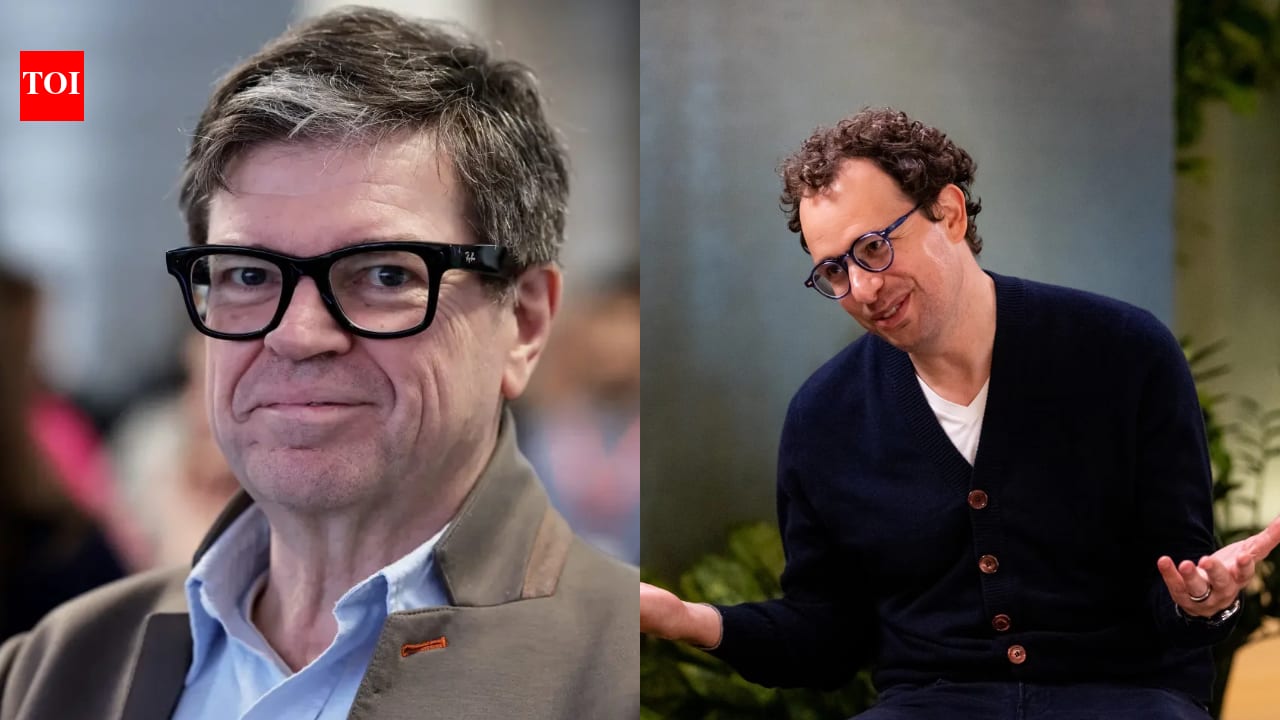
Meta's chief AI scientist Yann LeCun has accused Anthropic CEO Dario Amodei of lobbying against open-source AI to maintain corporate dominance. While LeCun draws historical parallels to restrictive technologies, Anthropic maintains it only supports safety testing and export controls, not outright bans.
The Open-Source Conflict in Artificial Intelligence
The recent public clash between Meta’s chief AI scientist, Yann LeCun, and Anthropic CEO Dario Amodei highlights a fundamental schism in the artificial intelligence industry. At the heart of this dispute is the tension between the 'open-weights' philosophy championed by LeCun and the 'safety-first' regulatory approach favored by companies like Anthropic. LeCun’s accusations, which surfaced following a 2023 Senate hearing, suggest that the push for stringent AI oversight is a strategic maneuver designed to stifle competition and consolidate power within a small group of well-funded, closed-source firms.
Historical Parallels and Regulatory Concerns
LeCun’s comparison of current AI debates to the Ottoman Empire’s historical ban on the printing press for Arabic texts is a pointed critique of technological gatekeeping. By suggesting that Amodei’s rhetoric mirrors historical attempts to control the flow of information, LeCun frames the debate not as a safety issue, but as an existential struggle for the democratization of intelligence. This historical framing suggests that, just as the printing press revolutionized knowledge dissemination, open-source AI models are seen by their proponents as essential tools for global innovation that should not be restricted by corporate incumbents.
Anthropic’s Defense and the Regulatory Landscape
Conversely, Dario Amodei and Anthropic have consistently denied advocating for an outright ban on open-source models. Their stated position focuses on the necessity of mandatory safety testing and the implementation of chip curbs to prevent malicious actors from accessing high-performance computing resources. From the perspective of companies like Anthropic, the risks associated with frontier AI models are significant enough to warrant a level of oversight that is incompatible with the unrestricted distribution of model weights. This perspective emphasizes that the potential for misuse—such as the creation of biological weapons or massive-scale disinformation—necessitates a cautious, controlled rollout.
The Economic Implications of AI Governance
This debate carries profound economic implications for the future of the technology sector. If regulators were to adopt the stricter safety standards favored by closed-source proponents, the barrier to entry for startups and independent researchers would rise significantly. This could effectively 'regulatory capture' the industry, ensuring that only a few entities with the capital to satisfy intensive compliance and safety testing requirements remain viable. LeCun’s critique suggests that the industry is currently at a crossroads where regulatory decisions could either cement a monopoly or foster a diverse, competitive ecosystem.
The Path Forward for AI Policy
As governments worldwide grapple with how to legislate AI, the arguments presented by both LeCun and Amodei will undoubtedly shape the legislative agenda. Policymakers must balance the genuine concerns regarding AI safety with the economic and creative benefits of an open-source landscape. Future trends indicate that the debate will likely move beyond simple 'ban vs. open' binaries toward more nuanced frameworks that distinguish between model sizes, capabilities, and intended use cases, potentially leading to a bifurcated regulatory environment that protects public safety while encouraging transparency.
Conclusion
The disagreement between LeCun and Amodei serves as a microcosm for the broader societal debate on technological control. While the industry remains divided on the best path forward, the discourse underscores the reality that AI is no longer just a technical endeavor but a geopolitical and economic force. Whether the future of AI will be defined by restricted, high-safety corporate gatekeepers or a decentralized, open-source community remains an open question that will define the next decade of digital evolution.