30 Killed In Guinea Capital After Landfill Collapse
Source Entity
NDTV News Search Records Found 1000
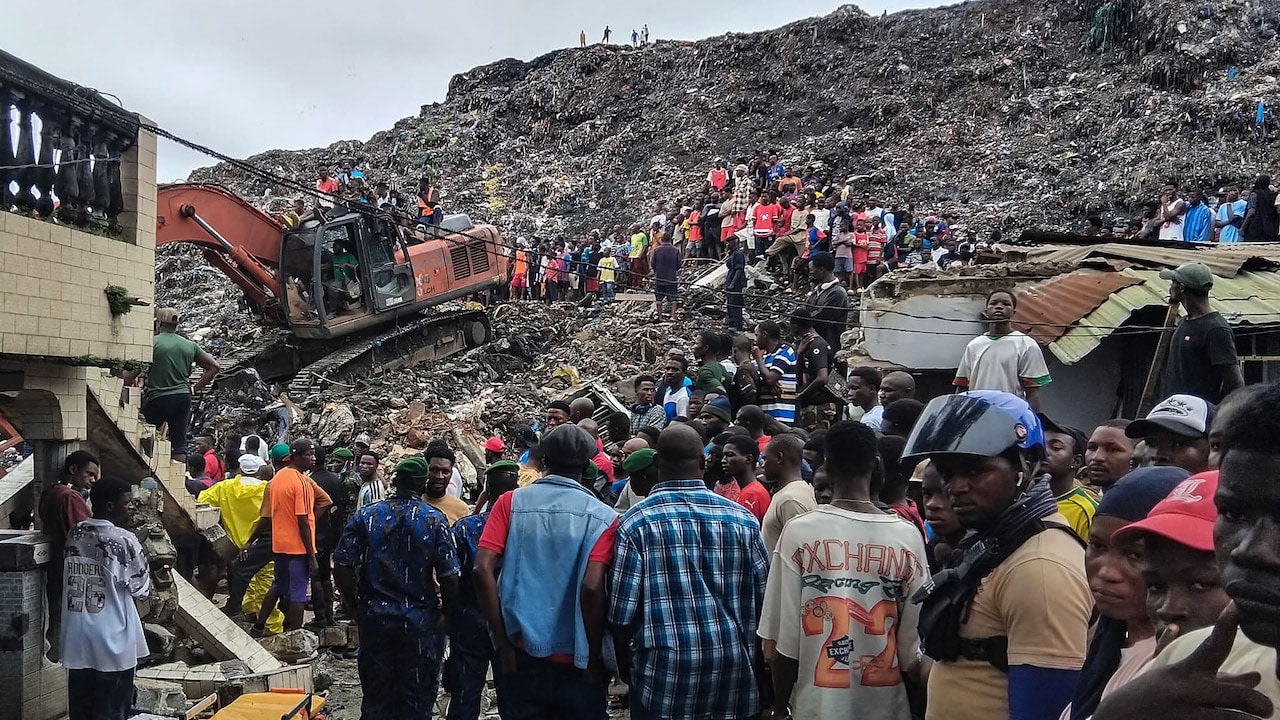
A devastating landfill collapse in the capital of Guinea has resulted in the deaths of at least 30 people. Rescue teams are currently utilizing heavy machinery to search for survivors amidst the debris.
Tragedy Strikes Guinea: The Conakry Landfill Collapse
The Immediate Aftermath
A catastrophic event has gripped the capital of Guinea, as a massive landfill collapse has claimed the lives of at least 30 individuals. The incident, which occurred at a waste disposal site, has triggered an urgent and large-scale emergency response. Reports confirm that heavy excavators are actively being deployed to sift through the unstable terrain as part of a desperate search-and-rescue mission to locate any survivors trapped beneath the debris.
Challenges of Urban Waste Management
This tragic event underscores the severe risks associated with informal and poorly maintained waste management infrastructure in rapidly growing urban centers. In many developing cities, landfills often reach capacity without adequate engineering oversight, leading to structural instability. When waste piles become too high or are affected by environmental factors, the risk of a collapse becomes a critical public safety issue, putting the lives of those living or working near these sites in immediate danger.
The Role of Search and Rescue
The deployment of excavators is a standard but high-stakes operation in the wake of such structural failures. Rescuers must navigate the precarious nature of shifting waste, which poses a secondary risk of further collapses. The primary objective remains the recovery of survivors; however, the nature of landfill debris—often consisting of compacted, heavy, and hazardous materials—makes the process of clearing the area both slow and technologically demanding.
Broader Implications for Infrastructure
Beyond the immediate tragedy, this incident highlights the urgent need for better urban planning and waste management policies in Guinea. As population density increases in the capital, the pressure on existing infrastructure grows exponentially. This collapse serves as a sobering reminder that without significant investment in sustainable and safe waste disposal facilities, cities remain vulnerable to preventable disasters that disproportionately affect the most vulnerable populations who often reside or scavenge near these sites.
Future Trends and Mitigation
Moving forward, international observers and local authorities will likely be forced to reassess how municipal waste is processed and stored. Future efforts will need to focus on land stabilization, the implementation of modern landfill technologies, and the relocation of hazardous dumpsites away from residential zones. This tragedy must serve as a catalyst for systemic change to prevent future loss of life and to ensure that urban development does not come at the cost of human safety.
Verification Required?