Gujarat government appoints officers to ‘monitor schools’ to fix gaps before Assembly election
Source Entity
Ritu Sharma
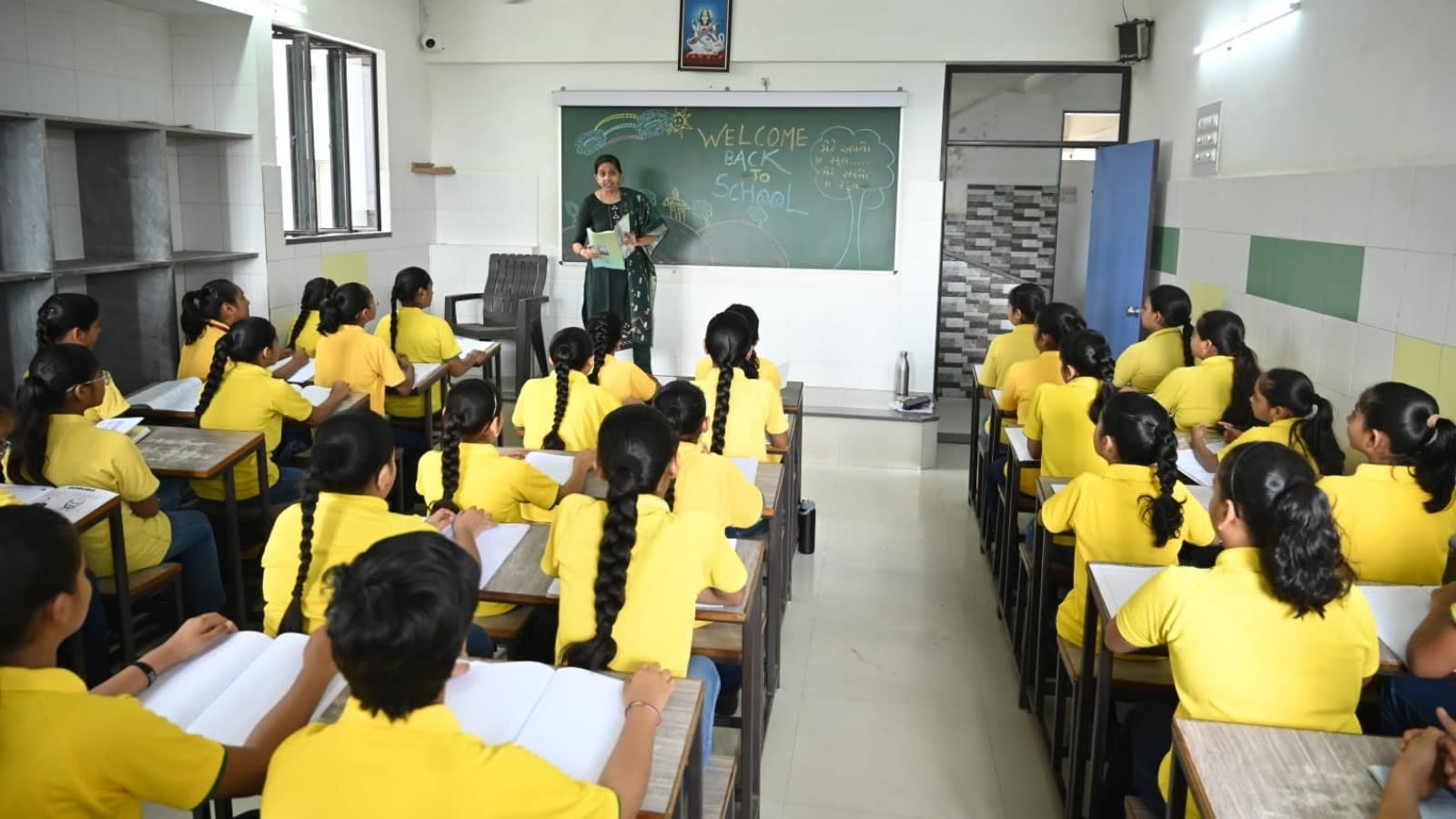
The Gujarat government has deployed 34,000 officials to conduct rigorous school inspections using a 78-point checklist. This initiative aims to address infrastructure and educational gaps ahead of the upcoming Assembly elections.
Gujarat's Strategic Push to Overhaul Primary Education
In a significant administrative move, the Gujarat government has mobilized an 'army' of 34,000 education officials, assigning one dedicated officer to every primary school across the state. This initiative, which commenced in September, is designed to conduct a comprehensive assessment of school facilities and educational standards. By utilizing a detailed 78-point checklist, these officials are tasked with scrutinizing fundamental aspects of the learning environment, ranging from the nutritional quality of midday meals to the adequacy of sanitation facilities, teacher-to-student ratios, and the physical maintenance of school infrastructure.
Accountability and the 78-Point Checklist
The depth of this oversight mechanism is underscored by the 78-point checklist, which serves as the primary instrument for data collection. Beyond merely assessing the physical state of the buildings, the officials are responsible for auditing the academic materials being utilized, including the books read by both teachers and students. Furthermore, the mandate extends to tracking the efficacy of administrative oversight, as these officials will monitor the visits and performance of coordinators from block and cluster resource centers, ensuring these supervisors are actively working to mitigate educational shortfalls.
Timing and Political Implications
The timing of this project is particularly notable, as the government has set a target to bridge these identified gaps by September 2027. This deadline positions the completion of the remediation process just months before the state is scheduled to hold Assembly elections in December 2027. By addressing long-standing concerns regarding school quality, the administration is effectively positioning education as a central pillar of its governance model ahead of the electoral cycle.
The Role of Opposition and Public Discourse
Reports suggest that this massive administrative undertaking is, at least in part, a response to sustained campaigns launched by opposition parties. By focusing on critical issues such as midday meal quality and teacher availability, the government is engaging directly with public grievances that have gained political traction. This move reflects a broader trend where educational infrastructure becomes a key battleground for voter sentiment, forcing the incumbent administration to demonstrate tangible progress in service delivery.
Future Outlook for Gujarat's Education System
Looking ahead, the success of this initiative will be measured by the ability of these 34,000 officials to translate observations into sustained improvements. If the government can successfully rectify the gaps identified by the 78-point checklist within the three-year window, it could significantly alter the educational landscape of the state. However, the reliance on such a large-scale monitoring force also necessitates high levels of inter-departmental coordination to ensure that the data collected actually leads to the allocation of resources and effective policy intervention before the 2027 polls.