‘Cultures, civilisations cut across boundaries’: Pakistan minister in India for SCO
Source Entity
Latest News: Todays Latest News Headlines from India & World | Hindustan Times
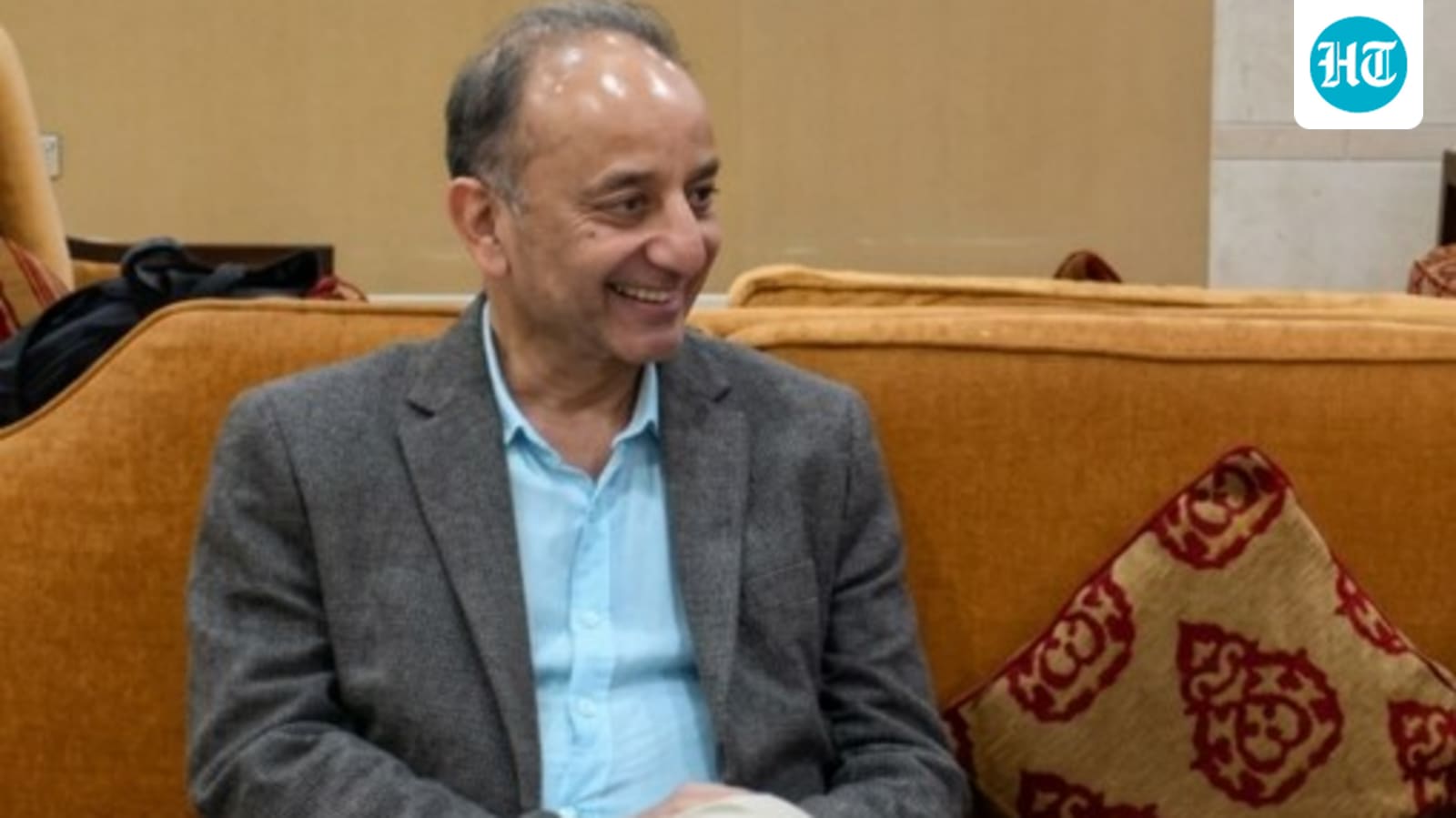
A political controversy has emerged in India following the visit of Pakistan's Minister Musadik Masood Malik for the SCO Civilisation Dialogue. The Congress party has criticized the BJP government, citing sensitivities regarding the Pahalgam massacre victims.
The Diplomatic Tightrope: Pakistan Minister's Visit to Delhi
The arrival of Pakistan's Minister for Climate Change, Musadik Masood Malik, in New Delhi to attend the Shanghai Cooperation Organisation (SCO) Civilisation Dialogue has ignited a significant political firestorm. While the event is framed as a multilateral forum focused on shared history and cultural heritage, the optics of the visit have drawn sharp criticism from the Indian opposition. The Congress party has vocally challenged the BJP-led central government, arguing that hosting a Pakistani official is insensitive to the families of victims affected by the Pahalgam massacre.
Multilateral Engagement vs. Bilateral Stagnation
Minister Malik has been careful to delineate the nature of his presence, explicitly stating that his visit does not constitute a bilateral negotiation. By framing the trip as a 'tremendous opportunity' for multilateral engagement, Malik is attempting to navigate the precarious diplomatic landscape between the two nations. His remarks—that cultures and civilizations 'cut across boundaries'—serve as a strategic rhetorical device to emphasize the forum's focus on geography and shared history rather than the fraught political realities that currently define India-Pakistan relations.
Political Backlash and Domestic Sensitivities
The core of the controversy lies in the domestic political arena of India. The Congress party’s accusation that the government is 'rubbing salt into the wounds' of the Pahalgam victims’ families highlights the deep-seated grievances that persist regarding cross-border terrorism. Critics of the government argue that engaging with Pakistani leadership, even within an international forum like the SCO, sends a contradictory message given the history of violent incidents that have strained regional stability.
The SCO as a Neutral Platform
The Shanghai Cooperation Organisation (SCO) is designed to foster cooperation on security, economy, and culture among member states. However, the presence of Pakistan in Delhi underscores the inherent challenges of using such platforms to bridge deep-seated bilateral divides. While the Indian government views the SCO as a vital venue for regional influence, the opposition sees the invitation of high-ranking Pakistani officials as a lapse in consistency regarding the government’s stated stance on cross-border relations.
Historical Context and Future Implications
This incident is not isolated but rather reflective of the erratic nature of India-Pakistan diplomatic history. References by political actors to past events—such as abrupt policy shifts or cancelled operations—demonstrate how historical baggage continues to dictate the terms of modern engagement. As India continues to balance its role as a global leader within the SCO against its national security imperatives, the friction caused by such visits will likely remain a recurring point of contention in domestic discourse.
Conclusion: A Strained Diplomatic Landscape
In summary, the visit of Musadik Masood Malik serves as a microcosm of the complex struggle to separate multilateral diplomatic obligations from the intense emotional and political history of the subcontinent. While the SCO Civilisation Dialogue aims to celebrate cultural connectivity, the reality remains that diplomatic gestures are rarely viewed in a vacuum. The government now faces the challenge of managing international commitments while addressing the domestic political fallout surrounding the perceived double standards of engaging with Pakistan.
Multiple Citing Sources
Verification Required?