Gandhinagar road rage: Gujarat High Court grants bail to man who shielded accused
Source Entity
Aditi Raja
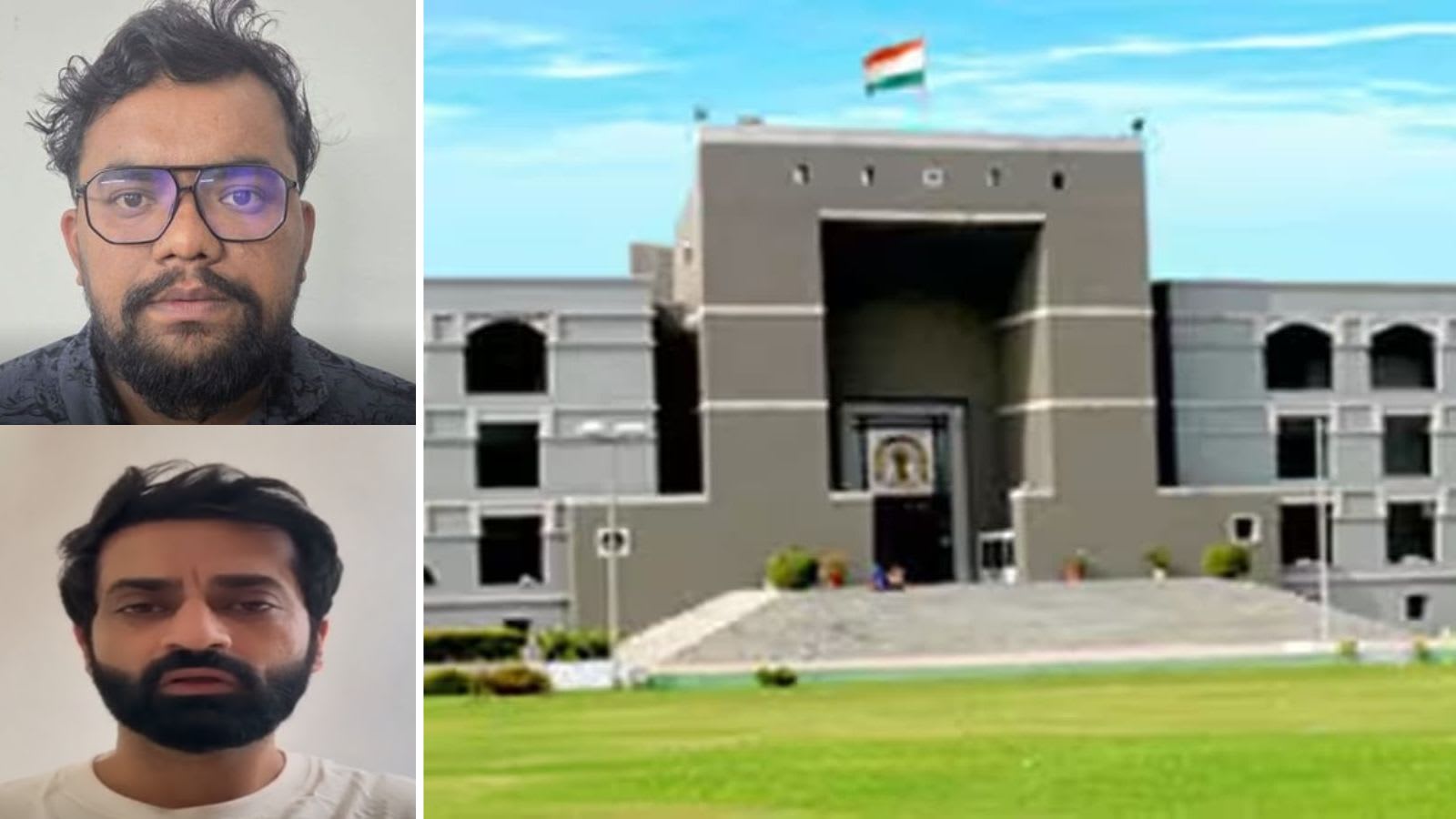
The Gujarat High Court has granted bail to Avan Gajjar, who was accused of shielding the primary suspect in a violent road-rage incident. The case involves an attack where a Garba reveller's earlobe was bitten off during a dispute near Sanavada village.
Legal Developments in the Gandhinagar Road Rage Incident
The Court's Ruling and Judicial Rationale
The Gujarat High Court has officially granted regular bail to Avan Gajjar, an individual implicated in the aftermath of a violent road-rage incident that occurred in Gandhinagar. Justice Mool Chand Tyagi, presiding over the case, determined that the petitioner’s involvement was secondary to the primary criminal acts. The court’s decision was heavily influenced by the observation that Avan was not the principal perpetrator of the physical violence, but rather played a peripheral role in the subsequent attempts to evade law enforcement.
The Nature of the Alleged Offenses
The underlying incident involves Bhavik Gajjar, a Bopal-based paan shop owner accused of a brutal assault on Tanish Patel. On October 17, as Patel was returning from a Garba event near Sanavada village, he was accosted by the accused. Reports indicate that the confrontation escalated into a physical assault involving a knuckle duster, culminating in the horrific act of the victim’s earlobe being bitten off. This incident has raised significant concerns regarding public safety during festive periods, where social gatherings are intended to be celebratory rather than violent.
Obstruction of Justice and Police Deception
Avan Gajjar’s legal challenges were compounded by allegations of active obstruction of justice. Specifically, he was accused of harboring the primary suspect, Bhavik Gajjar, following the attack. Furthermore, investigations revealed that Avan had engaged in the deliberate act of exchanging mobile phones with Bhavik in a calculated effort to mislead investigative authorities. The court's decision to grant bail reflects a legal distinction between the violent act itself and the secondary act of aiding a fugitive, though the latter remains a serious offense under the Indian Penal Code.
Broader Implications for Road Rage Awareness
This case serves as a stark reminder of the escalating tensions often seen on Indian roads, where minor disputes can rapidly devolve into life-altering violence. The use of a weapon such as a knuckle duster indicates a level of premeditation or aggressive posturing that is increasingly concerning to law enforcement agencies. As the legal proceedings continue for the primary accused, the community remains focused on the necessity of stricter enforcement to deter such aggressive behavior in public spaces.
Future Trends and Judicial Precedent
The granting of bail to the secondary accused does not signal the end of the legal process for the primary defendant, Bhavik Gajjar. As the judicial system continues to process the evidence—including the forensic details of the assault and the digital evidence concerning the phone exchange—the case will likely set a tone for how similar obstruction-of-justice cases are handled in the region. The focus now shifts toward the trial, where the specific charges of assault and the severity of the injuries will be evaluated under the full weight of the law.