From 16 lakh participants to 76 lakh: Khel Mahakumbh created a new sporting culture in Gujarat, says CM
Source Entity
Aditi Raja
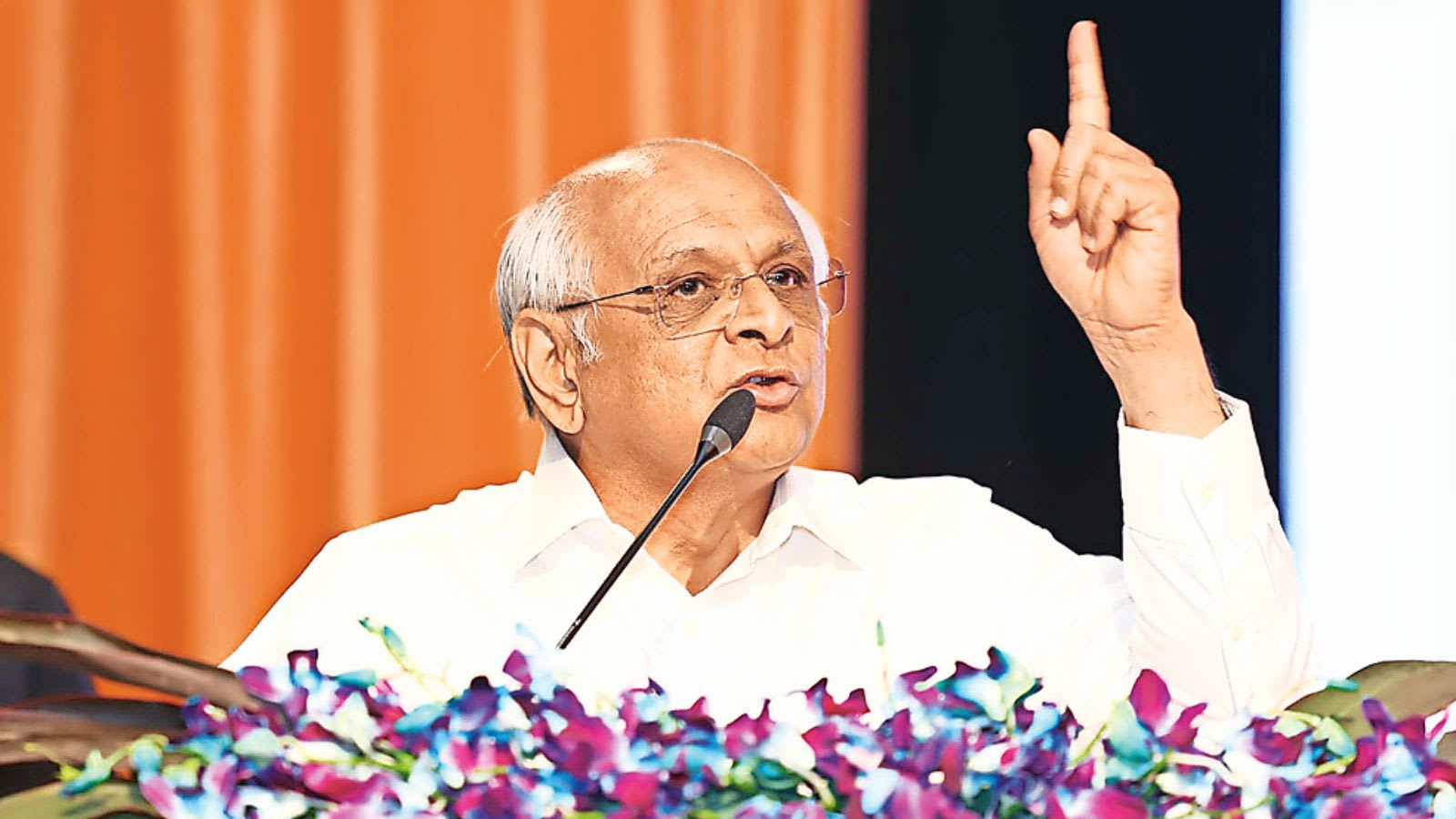
Gujarat's annual Khel Mahakumbh has seen massive growth in participation, rising from 16.5 lakh in 2010 to 76 lakh today. Chief Minister Bhupendra Patel is now shifting the state's focus toward converting this grassroots engagement into elite, international-level sporting talent.
The Evolution of Gujarat’s Khel Mahakumbh
The Khel Mahakumbh, a flagship annual sporting event in Gujarat, has witnessed a monumental transformation since its inception. From its humble beginnings in 2010 with approximately 16.5 lakh participants, the event has surged to include over 76 lakh competitors in its 2026 edition. This exponential growth underscores the state’s successful efforts to foster a widespread sporting culture, effectively democratizing access to athletics across diverse demographics and regions within the state.
Scaling from Grassroots to Global Ambition
While the sheer volume of participation is a significant achievement, Chief Minister Bhupendra Patel has identified a new, more ambitious trajectory for the program. During the inauguration of the 2026 edition in Vadodara, the Chief Minister emphasized that the state’s primary objective has shifted from mere mass participation to the cultivation of elite athletes. The government is now pivoting to ensure that the talent identified at the grassroots level receives specialized training tailored to their specific abilities.
Infrastructure and Strategic Support
The administration’s commitment to this goal is reflected in the announcement of expanded support systems for promising sportspersons. Recognizing that historical barriers often prevented talented individuals from excelling, the state government is moving to provide the structural support necessary to bridge the gap between local tournaments and international arenas. This involves not only identifying potential but also sustaining it through rigorous, professional-grade development programs.
The Role of Leadership and Policy
Chief Minister Patel, alongside Deputy Chief Minister Harsh Sanghavi, highlighted that Gujarat has historically possessed immense raw talent. The challenge, as articulated by the leadership, has always been the lack of a structured platform to nurture that talent. By formalizing the Khel Mahakumbh as a pipeline for international-caliber preparation, the government is attempting to institutionalize sports excellence as a permanent feature of the state’s social and economic development policy.
Future Trends and Challenges
Looking forward, the success of this initiative will be measured by the state's ability to produce athletes who can secure podium finishes in global competitions. The transition from a mass-participation model to an elite-production model requires sustained investment in coaching, sports science, and high-performance facilities. If successful, Gujarat’s model could serve as a blueprint for other states looking to leverage grassroots enthusiasm into tangible international sporting success.
Conclusion
The 2026 Khel Mahakumbh represents a critical inflection point for athletics in Gujarat. By acknowledging the need to evolve beyond simple numbers, the state is demonstrating a mature understanding of what is required to compete on the world stage. With the government’s renewed focus on professional training and resource allocation, the path is being set for a new generation of Gujarati athletes to transition from local fields to international glory.