Watch: Forest staff chase lion on motorcycles at Gujarat safari park
Source Entity
TOI CITY DESK
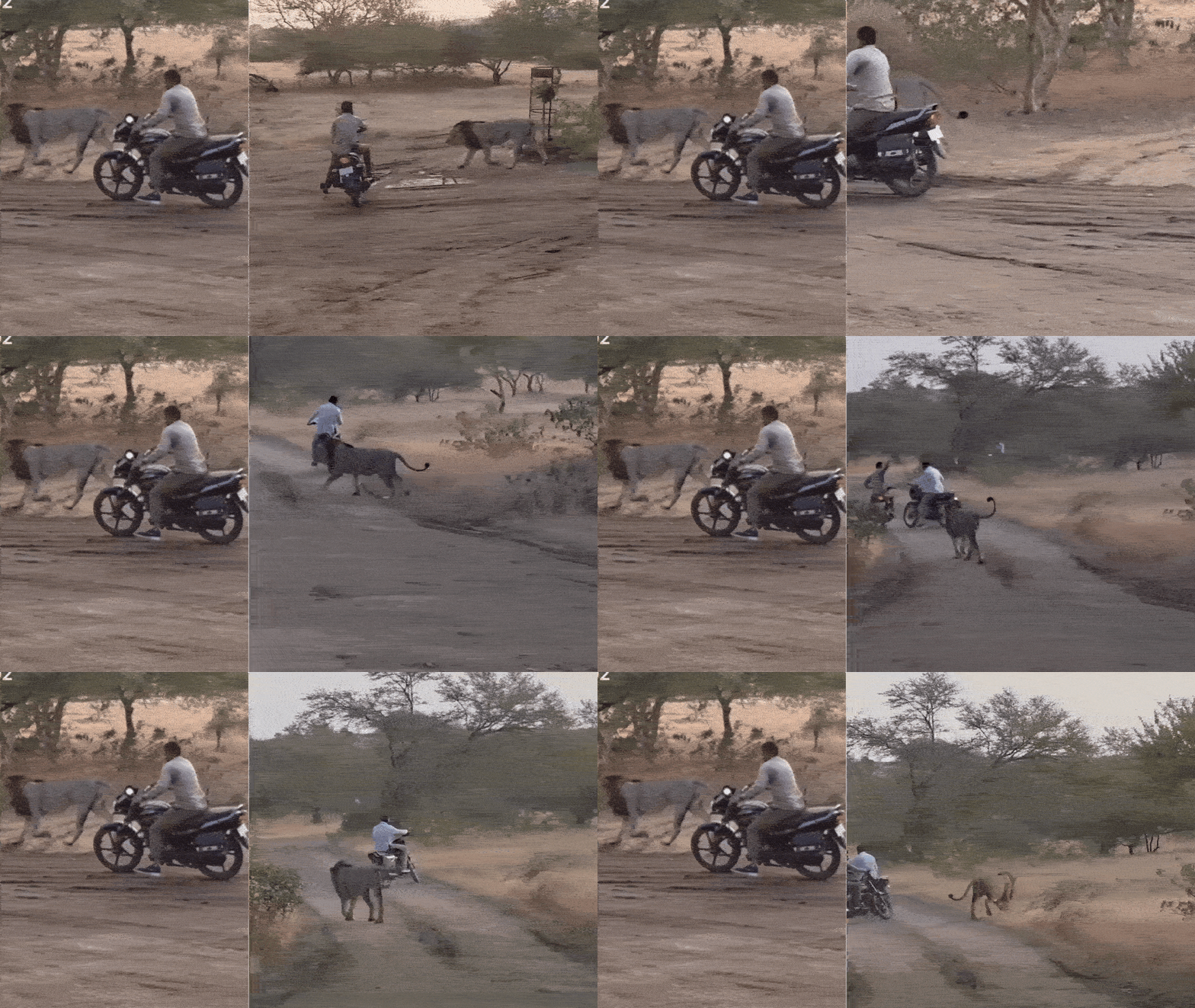
Recent wildlife incidents in Gujarat include a fatal train collision involving an Asiatic lioness and a bizarre leopard-boar accident in a village well. Additionally, forest authorities have disciplined staff at Ambardi Safari Park for using motorcycles to herd a lion.
Wildlife Conservation Challenges in Gujarat: A Multi-Faceted Crisis
The state of Gujarat, globally recognized as the sole natural habitat of the endangered Asiatic Lion, has recently faced a series of concerning incidents that highlight the ongoing struggle to balance human infrastructure with wildlife conservation. From tragic train collisions to behavioral mismanagement in safari parks, these events underscore the precarious nature of cohabitation in one of India’s most critical biodiversity hotspots.
The Tragedy of Infrastructure Conflict
On Saturday, a tragic incident occurred in the Junagadh district where a lioness, aged between 5 and 9 years, was struck and killed by meter-gauge train no. 09595 near the Ozat River bridge. This event marks the first such fatality in over two years, breaking a period of relative safety for the big cats in this region. The incident serves as a grim reminder of the risks posed by transport corridors cutting through protected forest zones, a persistent challenge that previously saw multiple deaths in July 2024.
Bizarre Ecological Interactions
While infrastructure poses a direct threat, the natural dynamics of the forest occasionally lead to unexpected outcomes. In the Navsari district, a rare and dramatic event occurred when a leopard, in pursuit of a wild boar, chased its prey into a 20-foot deep village well. While the boar managed to survive the ordeal through a successful rescue operation by local villagers and forest officials, the leopard tragically died. This incident highlights the proximity of wildlife to human settlements and the unpredictable nature of predator-prey dynamics on the fringes of the Vansda forest range.
Mismanagement and Human Error
Conservation efforts are not only hampered by environmental threats but also by human error within the management system. Recently, three outsourced forest personnel at Ambardi Safari Park were dismissed after a video emerged of them chasing a lion on motorcycles. While officials clarified that the act was an attempt to guide the animal back to its enclosure during the Diwali holiday period, the use of motorcycles instead of authorized jeeps was deemed inappropriate. This incident has sparked a necessary inquiry into operational protocols to ensure that wildlife is handled with the dignity and safety standards required for protected species.
Broader Implications and Future Trends
These events collectively signal a need for more rigorous enforcement of safety protocols and improved infrastructure design. The recurring risk of train accidents suggests that existing mitigation strategies may need to be expanded, perhaps through stricter speed regulations or wildlife-crossing alerts in high-density lion zones. Furthermore, the incident at Ambardi Safari Park emphasizes the need for better training of outsourced staff, ensuring that their actions do not inadvertently stress or endanger the animals they are tasked to protect.
Conclusion
Gujarat remains at the forefront of Asiatic Lion conservation, yet the path forward is clearly fraught with logistical and behavioral hurdles. The survival of this iconic species depends on the synergy between local communities, forest departments, and transport authorities. As the state continues to manage these interactions, the lessons learned from these recent incidents—ranging from the tragic rail collision to the management failures at the safari park—will be instrumental in shaping future conservation policies.
Multiple Citing Sources