Is Hormuz open? Trump's toll threat intensifies rush to bypass the Strait altogether
Source Entity
US Top News and Analysis
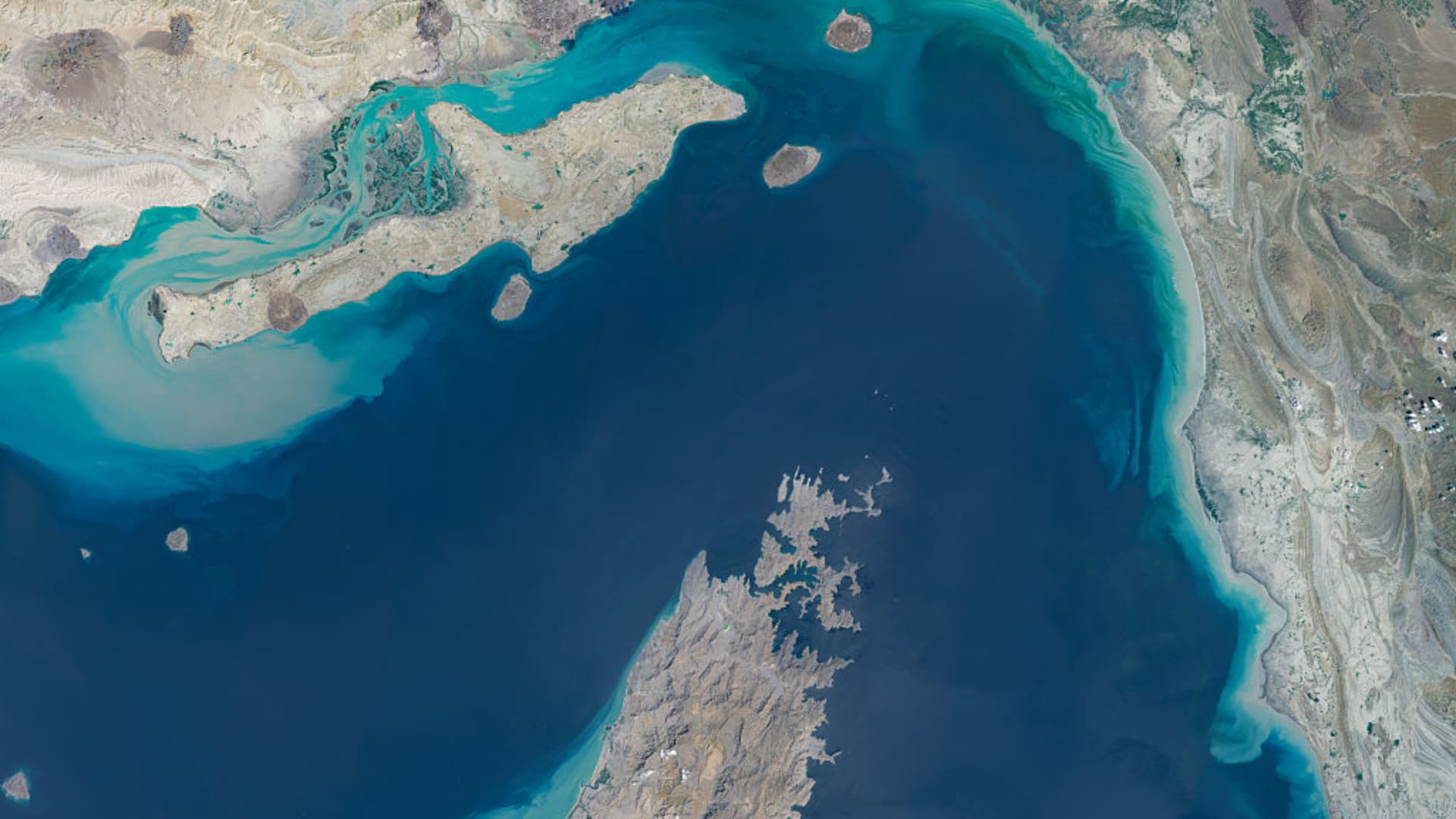
Gulf producers are increasingly relying on alternative routes to keep crude moving as shipping disruptions expose the risks of depending on the Strait of Hormuz.
The Strategic Imperative: Bypassing the World's Most Critical Oil Chokepoint
The Strait of Hormuz has long been recognized as the single most important transit point for the global oil economy. With approximately one-fifth of the world's total oil consumption passing through this narrow waterway, any disruption—whether through military conflict, political blockade, or economic threats—sends immediate shockwaves through global energy markets. The current rush by Gulf producers to find alternatives is not merely a reaction to a single political statement, but a strategic pivot intended to decouple their economic survival from the volatility of this specific geographic bottleneck.
The Impact of Political Rhetoric and Security Costs
The mention of "Trump's toll threat" highlights a critical shift in how maritime security is perceived in the region. When the United States, the primary guarantor of freedom of navigation in the Persian Gulf, suggests that security may come with a price tag or that tariffs and "tolls" could be leveraged for political ends, it introduces a new layer of risk for oil exporters. For nations like Saudi Arabia and the UAE, the risk is no longer just about Iranian aggression or physical blockades, but about the unpredictability of their security partnerships. This uncertainty forces these nations to internalize the cost of security by investing in infrastructure that removes the need for external protection within the Strait.
Infrastructure as a Hedge: Pipelines and Alternative Ports
To mitigate these risks, Gulf producers are accelerating the development of bypass infrastructure. Central to this strategy is the expansion of pipelines that move crude oil directly to the Red Sea or the Arabian Sea, completely avoiding the Strait of Hormuz. For instance, Saudi Arabia's East-West Pipeline allows for the transport of oil from the Eastern Province to the Yanbu terminal on the Red Sea. Similarly, the UAE has focused on the Habshan-Fujairah pipeline, which enables oil to reach the port of Fujairah on the Gulf of Oman. These projects represent a massive capital expenditure, but they serve as a critical insurance policy against the total cessation of exports during a crisis.
Historical Context: The Legacy of the Tanker War
This urgency is deeply rooted in the historical memory of the "Tanker War" during the Iran-Iraq War in the 1980s, where commercial vessels were targeted to cripple the economies of the warring parties. The lesson learned was that dependence on a single maritime corridor is a strategic vulnerability. By diversifying their exit points, Gulf states are applying a historical lesson to a modern geopolitical landscape. The transition from a centralized export model to a distributed one reduces the leverage that any single actor—be it a regional adversary or a global superpower—can exert over the global energy supply.
Economic Implications and Market Volatility
From a business perspective, the move to bypass Hormuz affects more than just the physical movement of oil; it impacts the financial architecture of shipping. When threats to the Strait intensify, "War Risk Insurance" premiums for tankers skyrocket, increasing the landed cost of crude for buyers. By utilizing pipelines and alternative ports, producers can stabilize these costs and provide more predictable pricing to their global customers. This shift effectively reduces the "geopolitical premium" typically baked into the price of Brent and WTI crude during times of Middle Eastern tension.
Future Trends: The Shift Toward Energy Resilience
Looking forward, this trend suggests a broader shift toward "energy resilience" over "energy efficiency." While shipping through the Strait is the most cost-effective method in peace-time, the strategic value of bypass routes outweighs the operational costs in an era of instability. We can expect to see further investments in automated port facilities and expanded pipeline networks across the GCC. Furthermore, this diversification may accelerate the region's transition toward non-oil exports, as the infrastructure built for oil bypass can potentially be adapted for other forms of strategic trade.
Conclusion
The drive to bypass the Strait of Hormuz is a pragmatic response to a volatile intersection of regional rivalry and shifting US foreign policy. By investing in pipelines and alternative maritime exits, Gulf producers are attempting to neutralize the threat of geopolitical blackmail and ensure that the global energy supply remains insulated from the whims of political rhetoric. This transition marks a fundamental change in the region's approach to sovereignty and economic security.