Guntur neurosurgeon highlights minimally invasive brain surgery
Source Entity
India Latest News: Top National Headlines Today & Breaking News | The Hindu
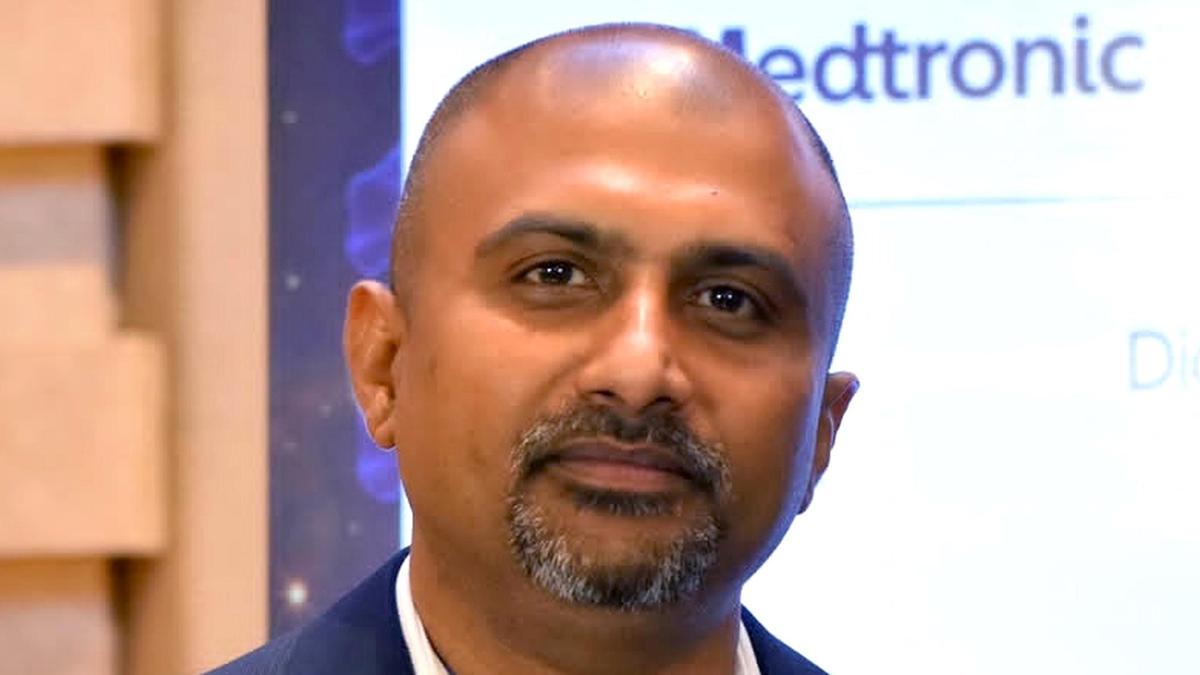
Dr. Mohana Rao Patibandla has introduced a white matter-sparing microsurgical technique to safely treat deep-seated brain lesions. This minimally invasive approach focuses on preserving neural pathways through advanced planning and neuronavigation.
Advancements in Precision Neurosurgery
Modern neurosurgery is undergoing a paradigm shift, moving away from invasive traditional procedures toward techniques that prioritize the preservation of healthy brain architecture. At a press conference held in Guntur on August 29, 2026, Dr. Mohana Rao Patibandla, founder of Dr. Rao's Hospital–International Institute of Neurosciences, underscored this evolution by highlighting the efficacy of white matter-sparing microsurgical corridors. This approach represents a significant leap in how surgeons interact with the delicate, complex structures of the human brain.
The Mechanics of Minimally Invasive Corridors
The core innovation presented by Dr. Rao involves the use of a cylindrical corridor to reach deep-seated lesions. Unlike conventional methods that may require wider access paths, this technique is meticulously designed to spare white matter. By navigating through specific anatomical tracts rather than disrupting them, surgeons can reach pathology located deep within the brain while ensuring that surrounding functional neural pathways remain intact and fully operational.
Integration of Technology and Planning
Central to the success of this strategy is the integration of high-level surgical planning and advanced neuronavigation. These technological tools allow surgeons to map out the safest possible route to a lesion before the first incision is made. By utilizing real-time navigation, the surgeon can maintain strict adherence to the planned corridor, minimizing the risk of collateral damage to critical cognitive or motor centers. This level of precision is essential for achieving positive neurological outcomes in patients with deep brain tumors or vascular abnormalities.
Global Recognition and Professional Discourse
Dr. Rao’s expertise in this field was recently showcased on the international stage during his keynote lecture at the World Neurosciences Summit 2026 in New Delhi. His presentation, titled “Minimally Invasive Cylindrical Corridor Surgery – Modern Microsurgery Strategy for Deep-Seated Brain Lesions,” provided a platform for global experts to analyze and discuss the future of microsurgery. Such academic exchanges are vital for standardizing these complex techniques across the medical community.
Implications for Patient Recovery
The primary benefit of adopting a white matter-sparing approach is the reduction of post-operative morbidity. When functional neural pathways are preserved, patients typically experience shorter recovery times and a higher quality of life following surgery. As neurosurgery continues to embrace these minimally invasive strategies, the focus remains firmly on balancing the necessity of lesion removal with the absolute requirement of protecting the patient’s neurological integrity.
Future Trends in Neurosurgical Practice
Looking ahead, the adoption of minimally invasive microsurgical corridors is expected to become a standard of care for complex neurosurgical cases. As neuronavigation software becomes more sophisticated and surgical planning more predictive, the margin for error will continue to shrink. The work being pioneered by institutions like Dr. Rao's Hospital in Guntur serves as a blueprint for the future of neuro-oncology and neurosurgery, proving that the most effective surgeries are often those that are the most unobtrusive.
Verification Required?