Gurgaon floods: State human rights body raises alarm over civic collapse, flags neglect and inadequate planning
Source Entity
Abhimanyu Hazarika
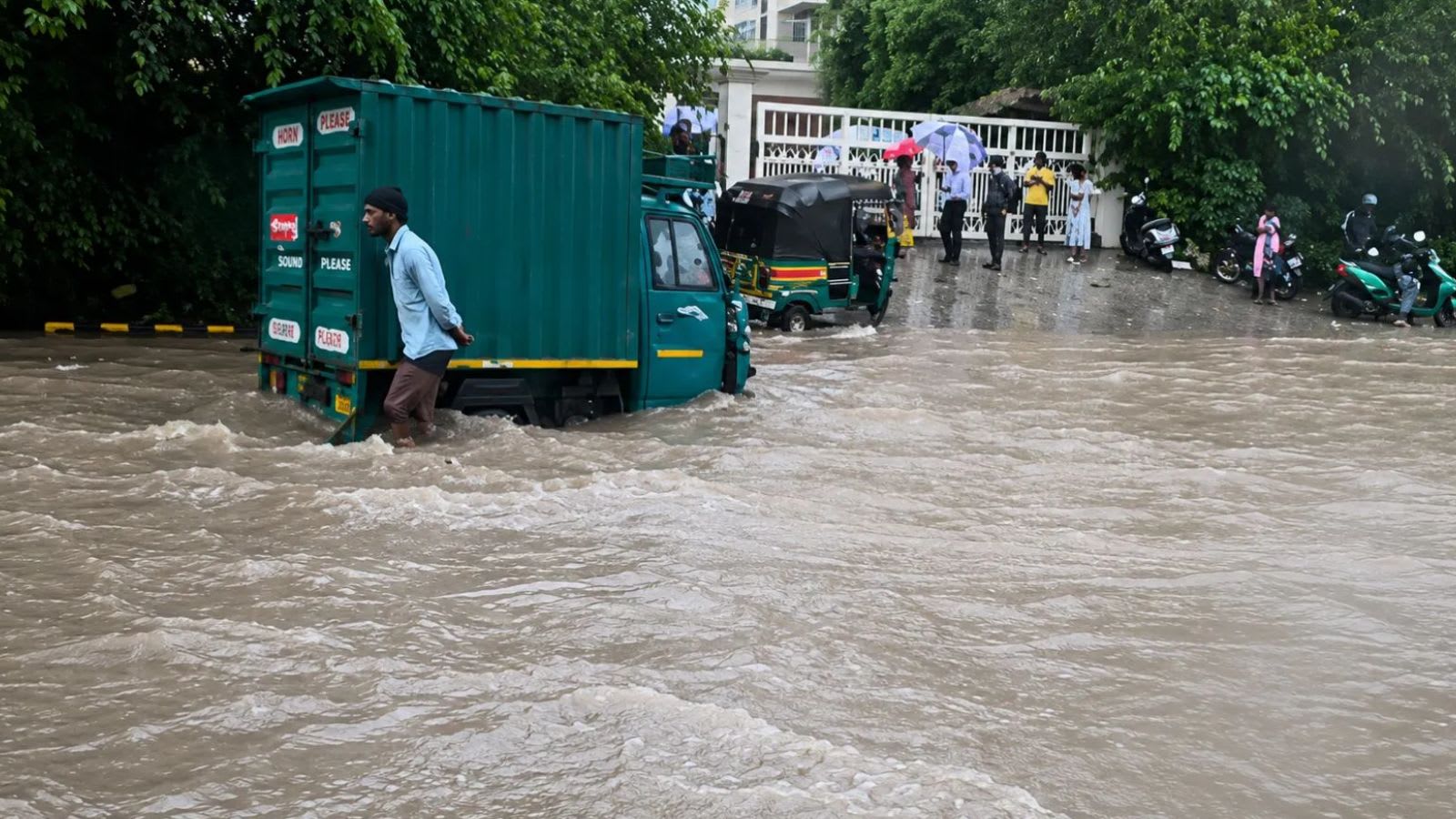
The Haryana Human Rights Commission has intervened in Gurugram's recurring urban flooding crisis, labeling it a failure of planning that threatens basic human rights. The commission has mandated a comprehensive infrastructure audit and an integrated drainage revamp to address systemic negligence.
The Crisis of Urban Governance in Gurugram
The Haryana Human Rights Commission (HHRC), led by Chairperson Lalit Batra, has officially intervened in the recurring civic collapse of Gurugram. Following the severe disruptions caused by heavy rainfall on August 24—which resulted in widespread waterlogging, stranded school buses, and a dangerous road cave-in near IFFCO Chowk—the Commission initiated suo motu proceedings. This intervention marks a significant shift in how urban flooding is perceived, moving from a mere logistical inconvenience to a fundamental violation of the right to life and dignified living.
The Human Rights Perspective on Infrastructure
The Commission’s 17-page order emphasizes that a resilient and effectively maintained infrastructure is not optional but a basic requirement for a rights-compliant urban environment. By framing the city’s drainage failures and traffic gridlocks as a predictable outcome of neglect, the HHRC is challenging the narrative that these events are unavoidable natural disasters. Instead, the body asserts that the systematic failure to protect citizens from preventable urban hazards constitutes a breach of the state's duty to provide a safe living environment.
Mandating Technical Accountability
To address the root causes of this urban decay, the HHRC has demanded a conjoint compliance report from the various civic agencies responsible for the city’s maintenance. The directive includes a multi-faceted approach: a city-wide technical audit of the drainage network, the mapping of natural drains, and the identification of illegal encroachments that exacerbate water accumulation. By mandating an integrated civic infrastructure revamp plan, the Commission is forcing a move away from fragmented, ad-hoc repairs toward a holistic urban management strategy.
Protecting Vulnerable Populations
The impact of Gurugram's infrastructure failure is most acutely felt by its most vulnerable residents, particularly schoolchildren and those reliant on emergency services. The Commission’s specific focus on ensuring the safety of schoolchildren and creating a dedicated emergency mobility plan underscores the life-threatening nature of the current flooding situation. When arterial roads become impassable and public transport grinds to a halt, the city effectively isolates its citizens, preventing access to essential services and education.
Future Implications and Urban Planning
Looking ahead, the HHRC’s intervention sets a legal precedent that may force municipal authorities to prioritize long-term urban planning over short-term expansion. The focus on an emergency mobility plan and the comprehensive audit suggests that the era of ignoring drainage capacity in favor of rapid development may be coming to a close. If enforced, these measures could transform Gurugram into a more resilient city, though the success of this mandate will ultimately depend on the willingness of state agencies to integrate these human-rights-focused standards into their future development agendas.
Multiple Citing Sources