Guwahati railway network set for major upgrade: New lines, 2nd Saraighat Bridge, stations and more
Source Entity
Anish Mondal
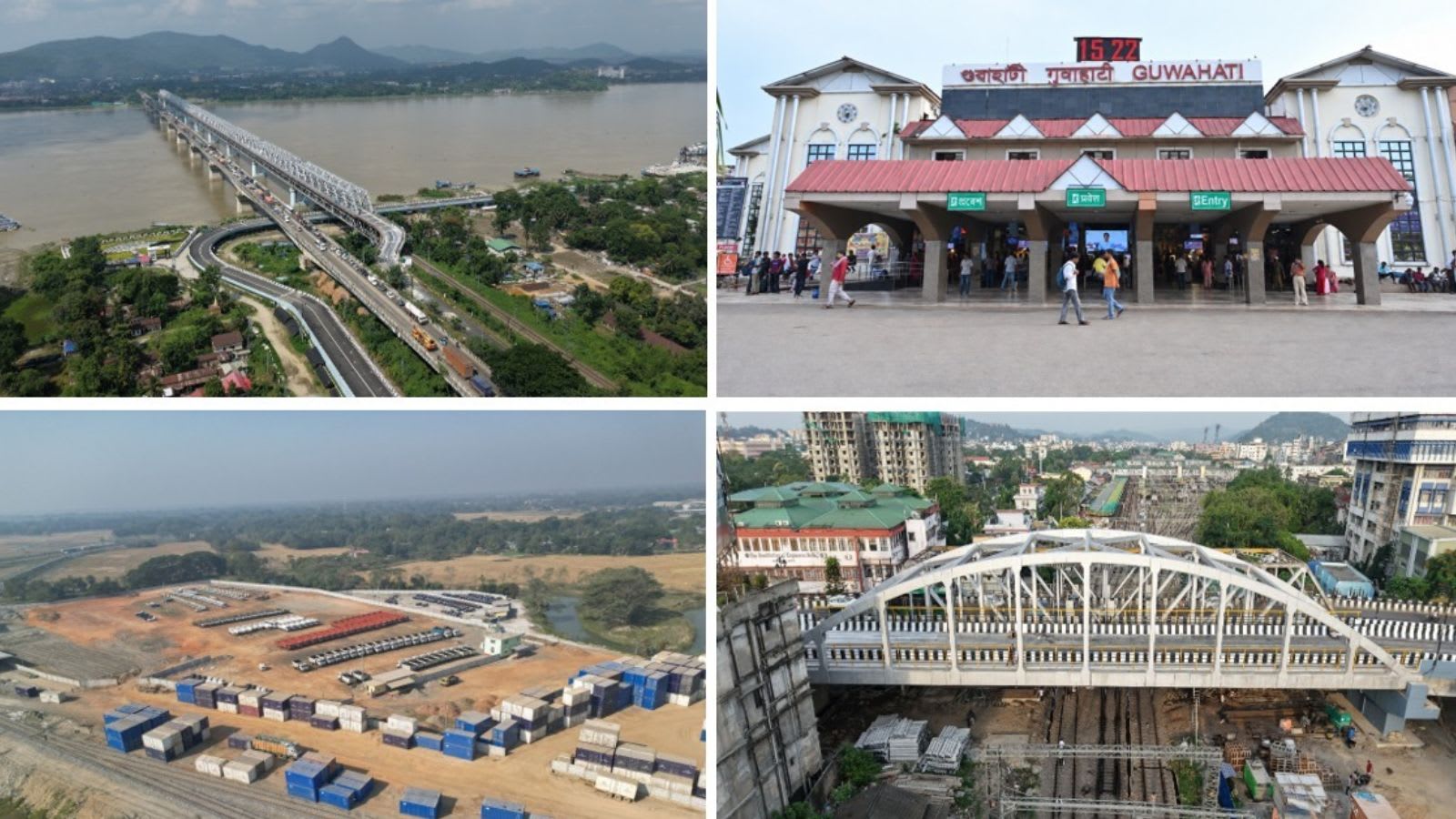
The Northeast Frontier Railway is undertaking a massive infrastructure overhaul in Guwahati to enhance capacity and passenger convenience. These projects include new rail lines and station upgrades to support the hub's daily traffic of over 50,000 passengers.
Guwahati Railway Transformation: A Strategic Infrastructure Overhaul
The Northeast Frontier Railway (NFR) has officially launched an extensive infrastructure modernization program centered on Guwahati, the gateway to Northeast India. As the headquarters of the NFR, Guwahati serves as a critical junction for regional connectivity. By initiating these infrastructure projects, the railway aims to streamline train movement, significantly increase operational capacity, and address the logistical challenges posed by the region's rapidly growing transit demands.
Managing High-Volume Passenger Traffic
Guwahati Railway Station currently serves as a vital artery for the Northeast, processing over 50,000 passengers on a daily basis. During peak travel seasons, this figure surges to approximately 65,000, placing immense pressure on existing facilities. With more than 200 trains passing through the station daily, the current infrastructure is nearing its operational limits. These upgrades are not merely cosmetic; they are essential interventions to maintain safety and efficiency for a massive daily commuter base.
Strategic Expansion and Future Connectivity
According to Kapinjal Kishore Sharma, the Chief Public Relations Officer (CPRO) of NFR, the ongoing projects are specifically designed to meet the rising demand for reliable transit. The inclusion of new railway lines, such as the proposed third line, and infrastructure improvements like the second Saraighat Bridge, signifies a long-term commitment to de-bottlenecking the region. These developments are intended to improve the flow of both passenger and freight traffic, which is crucial for the economic integration of the Northeast with the rest of the country.
The Role of the Second Saraighat Bridge
The integration of a second Saraighat Bridge into the rail network is a pivotal component of this expansion. As a historical bottleneck for transit across the Brahmaputra River, the addition of new rail infrastructure at this crossing will provide redundancy and increased throughput capacity. This will fundamentally change the transit landscape, allowing for faster and more consistent movement of trains that previously had to navigate limited river-crossing options.
Long-Term Economic and Social Implications
Beyond the immediate benefits of reduced wait times and improved train frequency, this project is set to catalyze broader economic growth. By enhancing the Guwahati hub, the NFR is effectively laying the groundwork for increased trade and tourism. As the region becomes more accessible, the socio-economic ties between Guwahati and the surrounding states are expected to strengthen, positioning the city as an even more dominant logistical hub in the coming decade.
Conclusion: A Modernized Future for Northeast Rail
In summary, the NFR's multi-faceted approach to upgrading Guwahati's rail network is a necessary response to the evolving needs of the Northeast. By focusing on capacity expansion and structural upgrades, the authorities are ensuring that the region's primary transport hub is equipped to handle the challenges of the 21st century. These investments represent a significant step forward in the modernization of India's railway infrastructure.