H-1B visa costs rise while America needs over 157,000 engineers and technicians
Source Entity
TOI TECH DESK
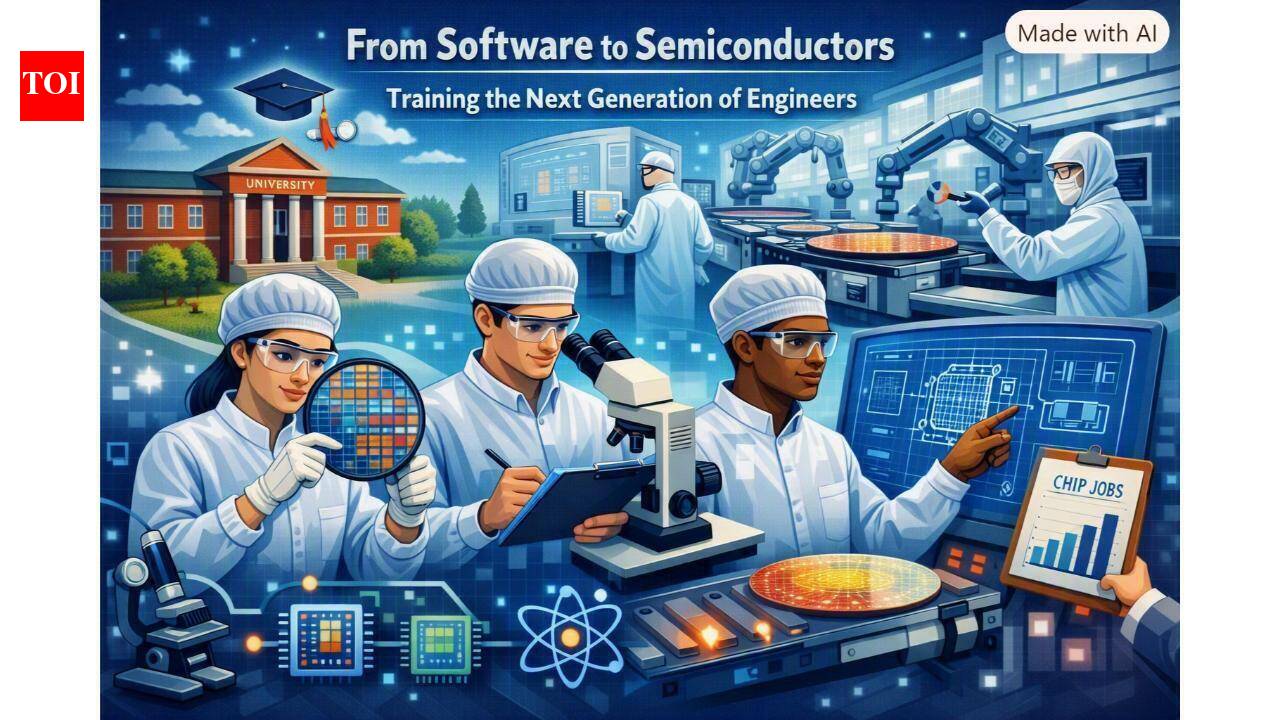
The U.S. faces a critical shortfall of 157,000 semiconductor workers by 2030, exacerbated by rising H-1B visa costs and restrictive immigration policies. This talent gap threatens to stall the domestic chip manufacturing boom despite massive investments in new fabrication facilities.
The Semiconductor Talent Crisis: A Looming Bottleneck for U.S. Manufacturing
The Anatomy of a Workforce Deficit
The United States semiconductor industry is currently navigating a precarious paradox. While government incentives and private capital have spurred a wave of new fabrication facility construction across the nation, the sector faces a projected shortfall of 157,000 engineers and technicians by 2030. This talent gap is not merely a statistical concern; it represents a fundamental threat to the viability of the domestic chip supply chain, which is essential for national security and the advancement of artificial intelligence.
Immigration Policy as a Catalyst for Instability
Compounding the recruitment crisis are recent shifts in immigration policy. The proposed $103,265 H-1B charge acts as a significant financial barrier for firms attempting to bridge the gap through international recruitment. As the administration broadens its immigration crackdown, companies that have traditionally relied on foreign-born experts to augment domestic teams are finding their operational flexibility severely restricted, effectively creating a race against time to secure essential human capital.
The Domestic Pipeline Challenge
Beyond the regulatory hurdles, the industry faces a structural issue regarding the domestic labor pipeline. There is currently limited interest among American engineering graduates in the semiconductor field. This lack of engagement suggests a disconnect between the rapid expansion of physical infrastructure and the educational or career incentives required to attract a new generation of hardware specialists. Without a concerted effort to cultivate local talent, the reliance on specialized H-1B labor will remain a necessity rather than a choice.
Hardware Constraints vs. Software Ambitions
While the tech sector is often dominated by debates regarding the safety and speed of AI model development—such as those involving OpenAI and Anthropic—the hardware foundation of these technologies is at risk of stagnation. Even if software capabilities continue to accelerate, the physical manufacturing bottleneck could force an industry-wide pause. Hardware is the bedrock of AI, and without the specialized personnel to manage complex fabrication processes, the digital economy may hit a physical wall.
Future Outlook and Strategic Implications
Moving forward, the semiconductor industry must reconcile its aggressive expansion goals with the harsh realities of a constrained labor market. If the current trajectory of rising visa costs and educational disinterest persists, the U.S. may struggle to meet its production targets, potentially undermining the geopolitical goal of reclaiming semiconductor supremacy. The resolution of this crisis will likely require a multi-faceted approach involving aggressive corporate-academic partnerships, policy recalibration, and sustained investment in technical training programs to ensure the U.S. can compete on the global stage.