Half-Life 2 running natively on HaikuOS
Source Entity
Hacker News
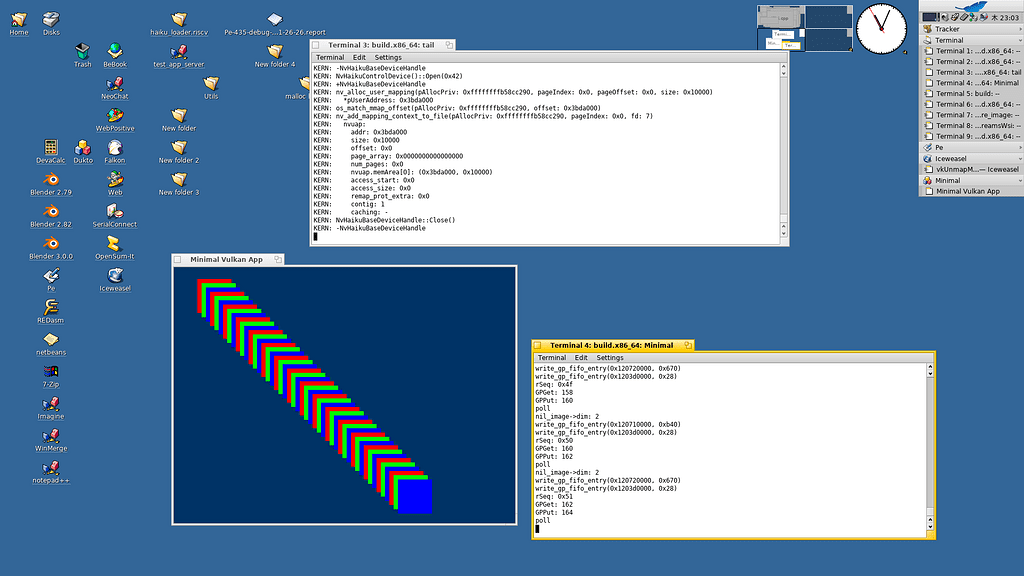
A developer has successfully ported Half-Life 2 to run natively on the open-source HaikuOS. This milestone highlights the operating system's improving hardware compatibility and gaming potential despite challenges with display driver support.
The Emergence of Modern Gaming on HaikuOS
The recent development confirming that the iconic title Half-Life 2 is running natively on HaikuOS marks a significant milestone for the open-source community. Haiku, an operating system designed as a spiritual successor to the BeOS, has long been a niche project focused on efficiency and a unique interface. Achieving native execution of a complex 3D game like Half-Life 2 signals that the platform’s underlying architecture is maturing, demonstrating improved capabilities in handling modern software stacks.
Hardware Compatibility and Display Challenges
While the software port is a success, the community discussion surrounding this achievement highlights the persistent complexities of hardware integration. As noted in the reported context, users are navigating significant challenges regarding display output management. Specifically, the nuances of HDMI versus DisplayPort connectivity—and the associated limitations of current driver support—present a tangible barrier to the user experience. The necessity for manual switching between display types during a multi-boot session underscores the current 'early adopter' nature of gaming on this platform.
The Impact of Multi-Display and VR Setups
For power users, the limitations identified with graphics card output management are critical. The context provided reveals that users running high-end hardware, particularly those utilizing multiple displays or VR headsets that are sensitive to display adapters, face physical cable-swapping hurdles. This is not merely a minor inconvenience; it is a deterrent to long-term adoption. The reliance on manual monitor controls to bridge the gap between DisplayPort and HDMI reveals that while the software is functional, the peripheral ecosystem for HaikuOS still requires substantial refinement to match the convenience of mainstream operating systems.
Broader Implications for Open Source Gaming
The portability of Half-Life 2 to a niche OS serves as a stress test for the platform's graphics pipeline and driver stability. By forcing the system to render high-fidelity 3D assets, developers can identify bottlenecks in the kernel and driver communication layers. This process is essential for the long-term evolution of HaikuOS, as it bridges the gap between a legacy-focused hobbyist project and a functional, modern-day desktop environment capable of supporting diverse software libraries.
Future Trends and Community Adoption
Ultimately, the willingness of users to persist through complex hardware configurations—such as manual input switching—is a testament to the dedication of the HaikuOS community. As the project continues to resolve these hardware-level friction points, the barrier to entry will lower, potentially inviting a broader audience to experiment with the OS. If the community can stabilize display driver support and resolve the current HDMI output limitations, HaikuOS could evolve from a specialized experiment into a viable alternative for enthusiasts who prioritize open-source architecture over commercial dominance.