‘Dube doesn’t bowl, can’t field. No idea why Sundar is continuing’: Gambhir accused of favouritism after India blanked
Source Entity
Latest News: Today's Latest News Headlines from India & World | Hindustan Times | Hindustan Times
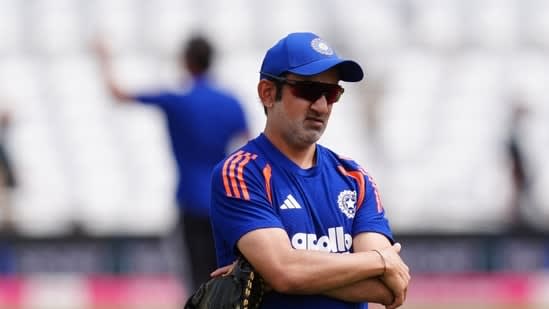
India head coach Gautam Gambhir has been accused of favouritism. Here's what Hanuma Vihari said.
Controversy Erupts Over Indian Team Selection: The Vihari-Gambhir Clash
The Indian national cricket team has found itself embroiled in a selection controversy following a disappointing series performance. Former Indian cricketer Hanuma Vihari has launched a scathing critique of head coach Gautam Gambhir, alleging a pattern of favoritism in player selection. The core of Vihari's grievance centers on the continued inclusion of Shivam Dube and Washington Sundar in the squad, despite what he perceives as significant deficiencies in their overall game, particularly in the realms of bowling and fielding. This public outburst underscores the volatility of the current Indian cricketing ecosystem under Gambhir's leadership.
Analyzing the Technical Critiques: Dube and Sundar
Vihari's specific targeting of Shivam Dube highlights a long-standing debate regarding the 'specialist' versus the 'all-rounder.' By claiming that Dube "doesn't bowl" and "can't field," Vihari is arguing that Dube's batting utility does not outweigh the liabilities he brings to the field. In modern limited-overs cricket, fielding intensity and bowling versatility are paramount; a player who is a liability in two out of three departments puts immense pressure on the rest of the team. Similarly, the questioning of Washington Sundar's continued presence suggests a belief that there are more balanced options available who could provide better stability or impact during high-pressure collapses.
The Gambhir Philosophy and the 'Favouritism' Narrative
Gautam Gambhir is known for his uncompromising, aggressive, and often polarizing approach to the game. As a coach, he has historically valued intent and specific tactical roles over traditional versatility. However, when results are positive, this approach is hailed as 'visionary'; when the team 'blanks' or fails, it is quickly rebranded as 'favoritism.' The accusation that Gambhir is protecting certain players suggests a disconnect between the coaching staff's internal metrics for success and the external perceptions of form and utility. This friction is exacerbated by the high stakes of Indian cricket, where every selection choice is scrutinized by millions.
Historical Context of Selection Friction
This is not the first time the Indian camp has faced accusations of bias. From the era of the 'big three' to the recent transitions in captaincy and coaching, the narrative of certain players being 'preferred' regardless of form has persisted. Hanuma Vihari's comments echo a sentiment often felt by players on the fringes of the squad—those who feel that the path to selection is not based purely on merit but on the personal preferences of the leadership. By voicing these concerns publicly, Vihari is tapping into a broader discourse about transparency in the selection process of the Board of Control for Cricket in India (BCCI).
Broader Implications for Team Chemistry
The public nature of these accusations can have a detrimental effect on team morale. When a former teammate or contemporary openly questions the competence of current squad members like Dube and Sundar, it creates an atmosphere of instability. For the players involved, such critiques can lead to a crisis of confidence, while for the coach, it necessitates a defensive posture that can distract from tactical improvements. If the team continues to struggle, these comments provide a blueprint for critics to dismantle Gambhir's authority, potentially leading to internal fractures within the dressing room.
Future Trends and Strategic Pivot
Moving forward, the Indian management will likely face increased pressure to justify their selection logic with data-driven evidence to quell rumors of favoritism. We can expect a shift toward more versatile 'three-dimensional' players to address the fielding and bowling gaps highlighted by Vihari. If the team fails to bounce back in subsequent series, the calls for a tactical overhaul—and perhaps a change in the coaching philosophy—will grow louder. The resolution of this conflict will depend on whether Gambhir can deliver immediate results or if he will be forced to pivot his selection strategy to appease the critics and restore faith in the team's balance.
Summary
In essence, Hanuma Vihari's accusations represent a clash between traditional cricketing values of versatility and Gautam Gambhir's specific tactical preferences. While the critique is centered on Shivam Dube and Washington Sundar, it reflects a deeper tension regarding selection transparency and the high-pressure environment of Indian cricket. The outcome of this controversy will likely dictate the strategic direction of the squad as they seek to recover from their recent failures.
Verification Required?