Kanwar Yatra leaves 7,000 tonnes of waste in Haridwar; urine-filled bottles found at Har Ki Pauri
Source Entity
India Latest News: Top National Headlines Today & Breaking News | The Hindu
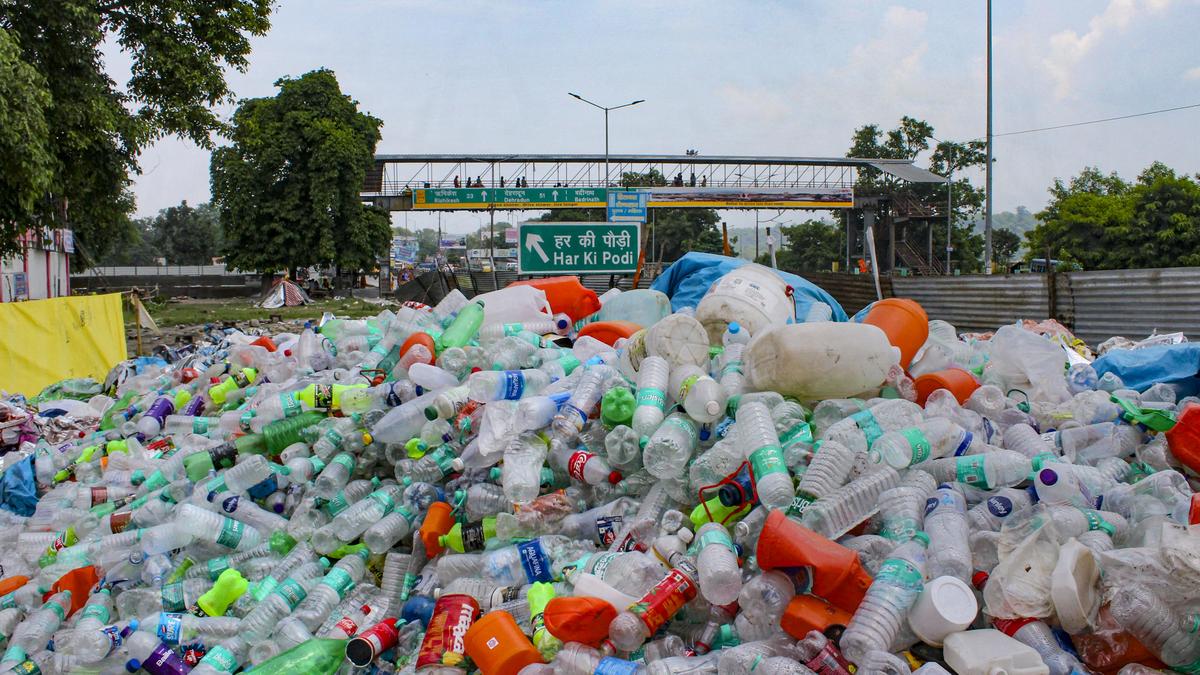
The Haridwar administration has launched a massive cleanup operation to remove 7,000 tonnes of waste left by 50 million Kanwar Yatra pilgrims. Authorities are struggling with significant sanitation challenges, including the improper disposal of waste and urine-filled bottles at sacred ghats.
The Environmental Toll of the Kanwar Yatra
The recent conclusion of the annual Kanwar Yatra has left the holy city of Haridwar grappling with an unprecedented sanitation crisis. With an estimated 50 million pilgrims participating in the 12-day event, the sheer volume of human presence has strained the city's infrastructure to its breaking point. Municipal authorities have reported the accumulation of approximately 7,000 metric tonnes of waste, a staggering figure that highlights the logistical difficulties of managing mass religious gatherings in ecologically sensitive areas.
The Scope of the Sanitation Crisis
Municipal Commissioner Nandan Kumar noted that the city typically processes between 200 and 250 metric tonnes of garbage daily. The influx of 7,000 tonnes—with 1,700 tonnes accumulating in just the final 48 hours—represents a monumental task for local sanitation teams. To address this, the administration has deployed over 1,000 additional sanitation workers and a fleet of 80 vehicles, signaling the urgency required to restore the sanctity and cleanliness of the Ganga ghats.
Desecration and Public Health Concerns
Beyond the sheer volume of plastic, clothing, and slippers left behind, the discovery of urine-filled bottles within the women’s changing rooms at Har Ki Pauri has sparked significant outrage and concern. This behavior represents a severe breach of public hygiene standards and the sanctity of the site. The presence of such waste in areas designated for personal care suggests a failure in existing waste management protocols and a lack of adequate public facility access for such a massive influx of people.
Managing Mass Pilgrimage Logistics
This event underscores the broader challenge of balancing religious freedom and cultural tradition with environmental stewardship. As the Kanwar Yatra continues to grow in scale, the current model of post-event cleanup is proving unsustainable. The municipal administration’s decision to launch an immediate, intensive cleanup drive is a reactive necessity, but it does little to mitigate the long-term ecological impact on the Ganges River and its surrounding urban landscape.
Future Trends and Mitigation Strategies
Looking ahead, religious organizations have acknowledged the need for change, proposing awareness campaigns for next year’s pilgrimage to discourage littering and improper waste disposal. However, experts suggest that awareness alone may be insufficient. Future iterations of the Yatra will likely require stricter enforcement of sanitation bylaws, the installation of more robust waste disposal infrastructure, and possibly a re-evaluation of how pilgrim movement is managed throughout the city to prevent the concentration of waste at sacred sites like Har Ki Pauri.
Conclusion
The cleanup of Haridwar serves as a stark reminder of the environmental pressures exerted by mass religious tourism. While the administration is working diligently to mitigate the damage, the event highlights a critical need for structural reform in event management. Moving forward, the integration of sustainable waste management practices and increased civic accountability will be essential to ensuring that the spiritual significance of the Kanwar Yatra does not come at the cost of the city's environmental health.
Verification Required?