Harvey Nichols bought by owner of Sports Direct
Source Entity
BBC News
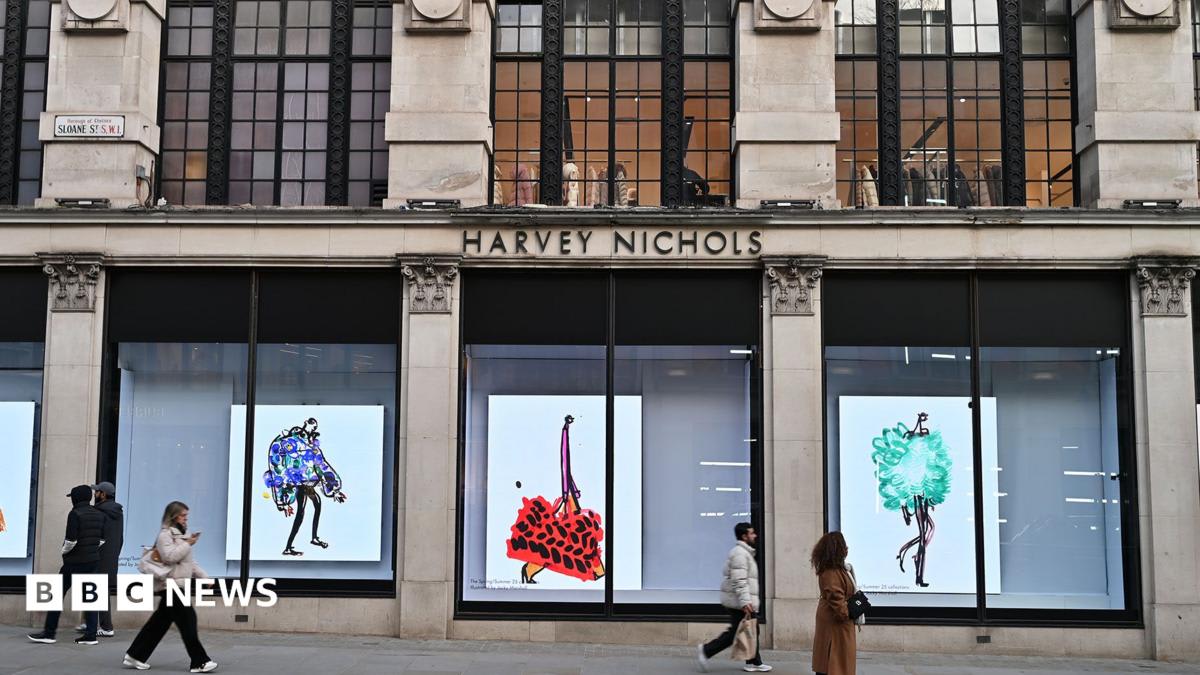
Frasers Group, led by Mike Ashley, has acquired the struggling luxury department store Harvey Nichols. The new owners plan a significant restructuring to restore the 200-year-old retailer's sustainability.
The Acquisition of a British Icon
Luxury department store Harvey Nichols, an establishment synonymous with high-end British retail for two centuries, has been acquired by Mike Ashley’s Frasers Group. This acquisition follows a period of severe financial distress for the retailer, which had appointed administrators in June after warning that it could no longer continue trading as a going concern. The move marks a significant shift in ownership for a brand that has long maintained a prestigious reputation, most notably immortalized in the popular culture landscape through the BBC sitcom Absolutely Fabulous.
The Strategic Vision of Frasers Group
Frasers Group, the parent company of Sports Direct, has signaled that the integration of Harvey Nichols will not be a passive investment. Michael Murray, the chief executive of Frasers and son-in-law to Mike Ashley, has publicly acknowledged the historical weight of the brand, labeling it a "British institution with significant potential." However, Murray’s statements underscore a pragmatic, if not clinical, approach to the acquisition. He explicitly noted that "clear meaningful change is needed" to stabilize the business, suggesting that the current operational model is no longer viable in the modern retail environment.
Challenges in the Luxury Retail Sector
The decline of Harvey Nichols reflects broader, systemic challenges facing traditional department stores in the United Kingdom and globally. High rents, shifting consumer habits toward e-commerce, and a competitive landscape that favors agile, brand-direct sales have severely impacted retailers who rely on massive physical footprints. For Harvey Nichols, the struggle to maintain relevance while managing the overhead of its iconic Knightsbridge flagship has been a primary driver of its recent financial instability.
The Path Toward Restructuring
Frasers Group has been transparent about the difficult road ahead, warning stakeholders that a "significant restructuring" is essential. While the acquisition preserves the brand and its international franchises for now, the implication is that the status quo is over. Michael Murray’s acknowledgment that the turnaround will require "tough choices" suggests that cost-cutting measures, potential store footprint adjustments, and a total overhaul of the store’s supply chain and digital presence are likely on the horizon.
Future Implications for the Retail Landscape
This takeover is a clear indicator of the consolidation occurring within the British high street. By bringing a luxury powerhouse under the umbrella of a group historically associated with sportswear and value retail, Frasers is betting that their operational expertise can solve the structural inefficiencies that brought Harvey Nichols to the brink of collapse. Whether they can maintain the brand's luxury identity while implementing aggressive cost-saving measures remains the core test for the new management team.
Conclusion
Ultimately, the acquisition of Harvey Nichols by Frasers Group represents the end of an era for the independent operation of the retailer. While the brand survives, its future is now firmly tethered to the ruthless efficiency and restructuring mandates of the Frasers conglomerate. The coming months will be critical in determining whether this "British institution" can successfully pivot to a sustainable model or if the "tough choices" promised by leadership will fundamentally alter the character of the store itself.