Hassett: 'We're still working our way out from' Biden Covid spending
Source Entity
US Top News and Analysis
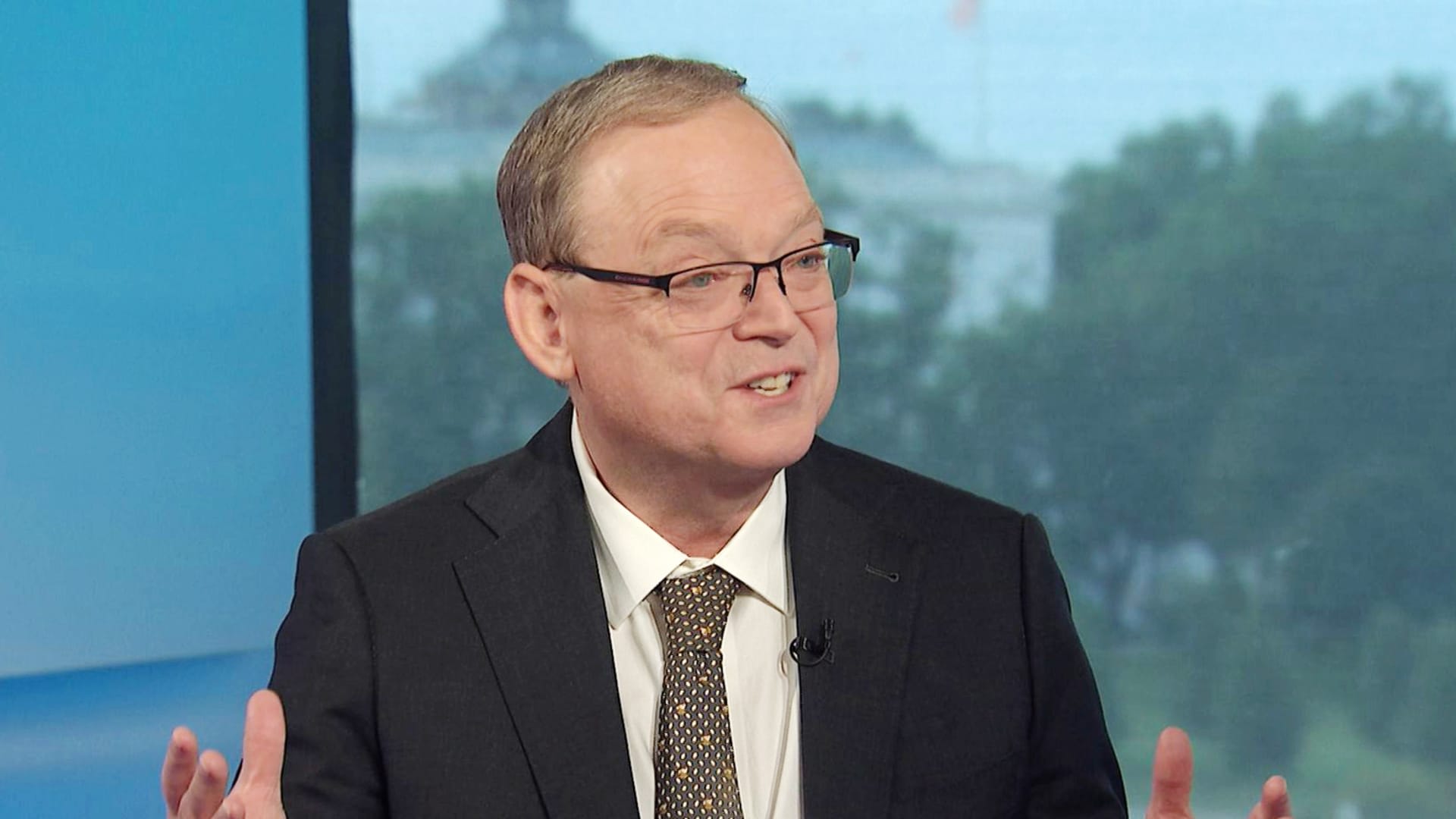
National Economic Council Director Kevin Hassett attributes current economic challenges to Biden-era stimulus spending. The Trump administration continues to frame its economic record by contrasting it with the fiscal policies of the previous administration.
The Legacy of Pandemic-Era Fiscal Policy
National Economic Council Director Kevin Hassett recently articulated a central pillar of the Trump administration's economic narrative, identifying Covid-19-related stimulus spending initiated during the Biden administration as a primary driver of current economic instability. Appearing on CNBC's 'Squawk Box,' Hassett characterized this expansive fiscal injection as a 'big mistake' that continues to complicate the nation's recovery efforts. By isolating this specific period of government expenditure, the administration seeks to define the current landscape of affordability and inflation as a direct consequence of policy choices made during the first year of the Biden presidency.
The Politics of Economic Blame
The timing of these remarks is particularly significant, occurring during the final weeks of a midterm election cycle where voters have identified the cost of living as their paramount concern. By shifting the focus toward historical stimulus measures, the Trump administration is effectively pivoting the electoral conversation away from present-day management toward a critique of past fiscal expansion. This strategy aims to solidify a clear distinction between the economic philosophies of the two administrations, casting the current fiscal environment as a lingering burden rather than a result of recent policies.
Contrasting Administrative Records
President Donald Trump has consistently utilized the strategy of contrasting his own administration's economic record with that of his predecessor. This rhetorical approach serves a dual purpose: it highlights what the administration views as its own successful handling of the economy while simultaneously positioning the Biden era as the origin point for systemic financial pressures. By framing the narrative around 'working our way out' of previous errors, officials are attempting to manage public expectations regarding inflation and the speed of economic stabilization.
Broader Implications for Fiscal Policy
The debate over stimulus spending is rooted in a fundamental disagreement regarding the role of government intervention during crises. While proponents of the Biden-era stimulus argued that massive liquidity was necessary to prevent a deeper recessionary spiral, critics like Hassett maintain that the sheer volume of capital injected into the economy triggered the inflationary cycle that persists today. This philosophical divide remains a primary fault line in American politics, influencing how both parties approach future fiscal packages and government spending initiatives.
Future Trends in Economic Strategy
Looking ahead, the rhetoric employed by the Trump administration signals a continued emphasis on fiscal restraint and the reversal of perceived overspending. As the nation grapples with the long-term impacts of pandemic-era policy, the focus on 'working out' of these conditions is likely to remain a cornerstone of political discourse. This stance suggests that future policy proposals from this administration will be heavily scrutinized through the lens of their potential inflationary impact, as officials continue to emphasize the importance of undoing the fiscal legacy of the previous term.