Rahul Gandhi Flags 727 Voter Exclusions In Delhi. What Poll Body Said
Source Entity
NDTV News Search Records Found 1000
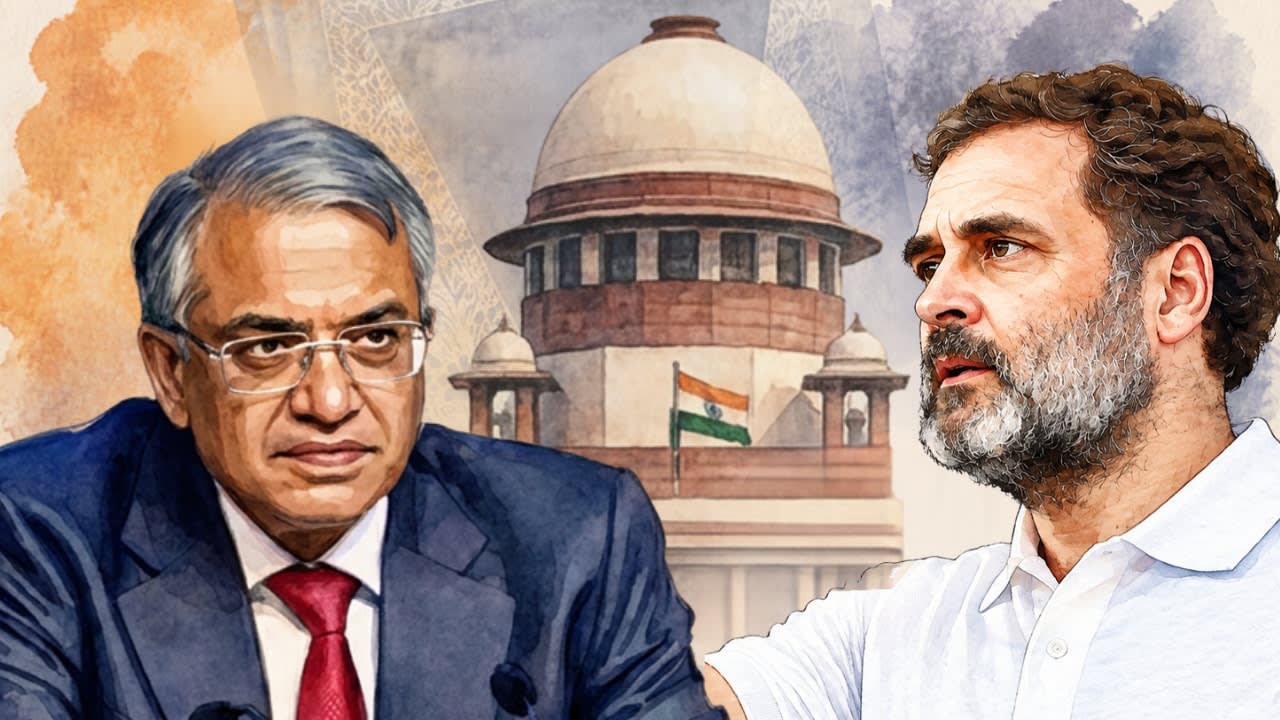
Rahul Gandhi has alleged the mass exclusion of 727 voters from the electoral rolls in Delhi's Bela Estate area. He criticized the Election Commission's process, demanding accountability for systemic irregularities.
Allegations of Voter Disenfranchisement in Delhi
Congress leader Rahul Gandhi has brought serious allegations of voter suppression to the forefront of national discourse, specifically targeting the electoral roll management in Delhi's Bela Estate. According to the claims, 727 out of 728 registered voters were allegedly removed from the electoral rolls, leaving only a single voter remaining. This claim has sparked a heated debate regarding the integrity of the voter registration process and the administrative oversight provided by the Election Commission of India (ECI).
Questioning Systemic Accountability
In his communication via social media, Rahul Gandhi explicitly linked these exclusions to the broader functioning of the electoral machinery. By stating that while Chief Election Commissioner Gyanesh Kumar "will go," the "system that made him do this will also have to answer," Gandhi is shifting the focus from individual administrative actions to a structural critique of the institution. This rhetoric suggests a belief that the mass removal of voters is not merely a clerical error but a symptom of a deeper, systemic issue within the ECI's data management and verification processes.
The Mechanics of Electoral Roll Integrity
Electoral rolls are the bedrock of any democratic process, and their maintenance is a complex task involving continuous updates, field verifications, and cross-referencing with residential data. The sudden deletion of hundreds of voters from a single locality like Bela Estate raises questions about the protocols followed by local election officers. If such a large-scale deletion occurred without proper due process or notification to the voters, it highlights a significant failure in the transparency of the ECI's "Continuous Updation" process.
Broader Implications for Democracy
When voters are removed from rolls without adequate justification, it directly impacts the fundamental right to franchise. The implications of this incident extend beyond a single constituency; it fuels public skepticism regarding the fairness of elections. In a robust democracy, the burden of proof lies with the administrative body to ensure that no legitimate citizen is disenfranchised by faulty algorithms or administrative negligence. This incident serves as a flashpoint for opposition parties to demand more rigorous audits of the voter list preparation process.
Future Trends and Institutional Scrutiny
Looking ahead, it is highly likely that this incident will lead to increased demands for the digitization of the grievance redressal mechanism and a more transparent "deletion audit." If the ECI cannot provide a satisfactory explanation for the mass removal of voters in Bela Estate, it may face heightened pressure from political stakeholders and civil society to overhaul its verification standards. The reliance on digital databases necessitates a fail-safe mechanism to prevent mass deletions, and this controversy will likely be used as a case study for future electoral reforms.
Conclusion
The controversy surrounding the Bela Estate voter list serves as a critical reminder of the fragility of electoral data. While the Election Commission maintains its operational procedures, the high-profile nature of Rahul Gandhi's accusation ensures that the matter will remain under intense scrutiny. Whether this leads to a formal investigation or policy shifts remains to be seen, but the event underscores the necessity for vigilance in protecting the voting rights of every citizen.
Verification Required?