Health crisis brews at Delhi protest as heat & overcrowding trigger viral infections
Source Entity
TOI CITY DESK
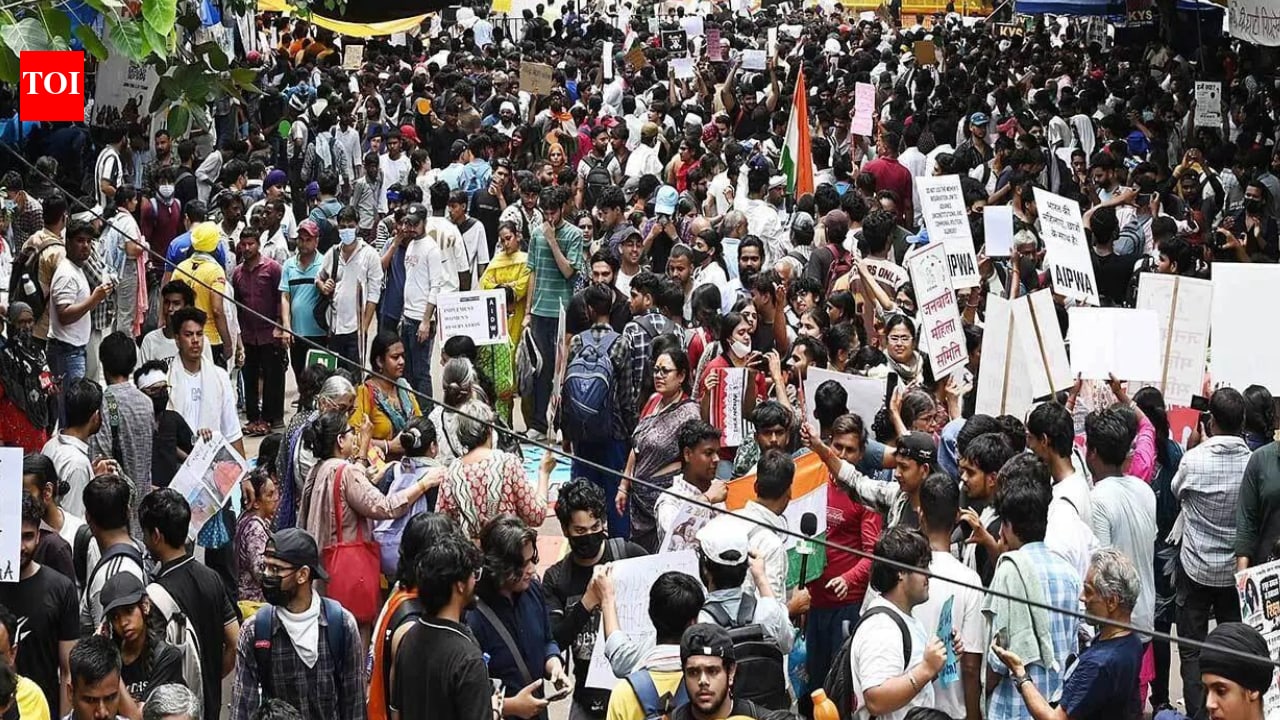
Protesters at Delhi's Jantar Mantar are facing a mounting health crisis due to extreme heat, overcrowding, and poor living conditions. Volunteer medical teams are working to manage viral infections, dehydration, and complications for elderly participants.
Health Crisis Emerges at Jantar Mantar Protests
The ongoing demonstrations at Jantar Mantar in New Delhi have transitioned from a political gathering into a burgeoning public health concern. As protesters remain stationed in the open, they are increasingly vulnerable to the harsh environmental conditions of the capital. The combination of intense heat and high humidity, coupled with the logistical challenges of sustaining a long-term presence in a public space, has created an environment ripe for the rapid spread of illness.
The Impact of Environmental Stressors
Medical volunteers on-site have identified a clear pattern of health issues among the attendees. The primary drivers of this crisis include prolonged exposure to extreme temperatures and the lack of basic infrastructure. Protesters are reporting widespread cases of viral infections, characterized by persistent sore throats, debilitating headaches, and high fevers. These conditions are exacerbated by the physical toll of dehydration, which is a predictable outcome for individuals spending consecutive days outdoors without adequate hydration or shade.
Challenges of Overcrowding and Hygiene
Perhaps the most significant factor contributing to the rise in illnesses is the severe overcrowding at the site. With participants forced to sleep on the ground in open areas, the lack of sanitation and physical distancing has facilitated the transmission of respiratory viruses. Dr. Shilpa, representing the 'Five River Heart Association,' has noted that the current living conditions—characterized by limited access to nutritious food and minimal opportunities for restorative rest—are actively preventing recovery and worsening the overall health trajectory of the crowd.
Vulnerability Among Elderly Participants
While the general population at the site is struggling, the situation is particularly dire for elderly protesters. Many of these individuals are managing pre-existing chronic conditions such as diabetes and hypertension. The disruption to their regular medication schedules, combined with the physiological stress of the environment, places them at a significantly higher risk of medical complications. These vulnerable attendees require specialized care, which is currently being managed by a limited number of volunteer medical staff.
Addressing Injuries and Fatigue
Beyond viral infections and environmental illnesses, the medical teams are also contending with physical injuries resulting from police interactions. The intersection of physical trauma, accumulated fatigue, and the ongoing health crisis places an immense burden on the volunteer-led response. The cumulative effect of these factors creates a cycle where participants are unable to regain their strength, leading to a decline in their physical resilience the longer the protest continues.
Conclusion: A Growing Public Health Concern
In summary, the protest at Jantar Mantar has evolved into a complex humanitarian challenge. The combination of environmental exposure, inadequate sleeping conditions, and the presence of elderly individuals with chronic health needs highlights the fragility of the current situation. Without improved access to sanitation, hydration, and medical support, the risk of a larger-scale health crisis remains high, necessitating urgent attention to the basic well-being of all those currently gathered at the site.