Heart attack symptoms when you’re alone: What to do in the first few minutes
Source Entity
The Indian Express
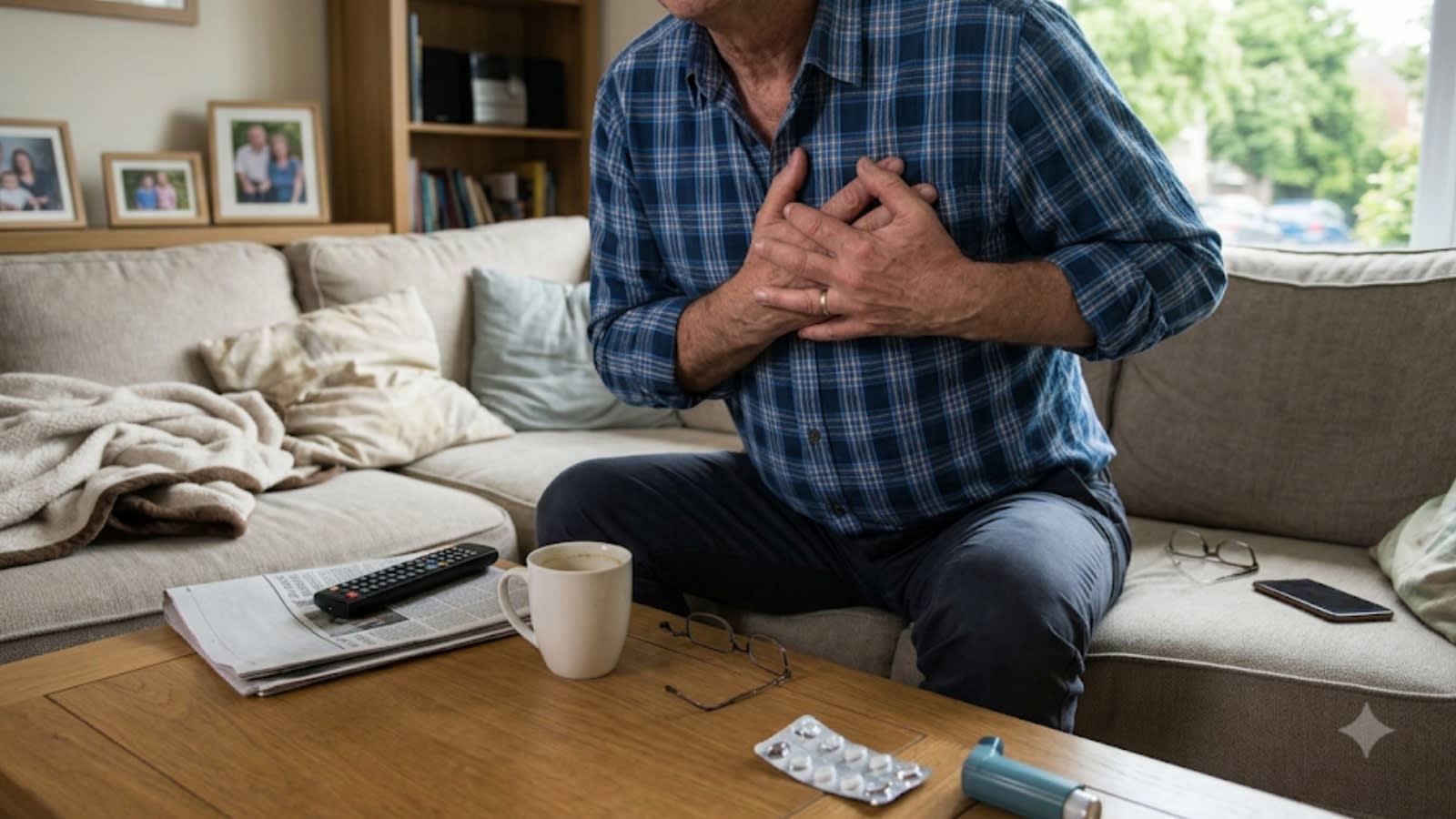
Experiencing a suspected heart attack while alone requires immediate action to survive. Experts advise calling emergency services right away rather than waiting for symptoms to worsen.
Navigating a Cardiac Emergency While Alone
Experiencing a suspected heart attack while alone is a daunting scenario that requires quick, decisive action. The medical community emphasizes that the first few minutes of a cardiac event are critical for determining long-term outcomes. When an individual is isolated, the natural tendency to wait and see if symptoms subside can be a fatal mistake. Medical experts, including Dr. Parin Sangoi, stress that time is muscle, and any delay in seeking professional intervention significantly increases the risk of permanent heart damage.
The Danger of Self-Diagnosis
One of the most significant barriers to survival during a heart attack is the patient's attempt to self-diagnose. Individuals often try to rationalize symptoms, attributing chest pain or discomfort to less severe issues like indigestion or fatigue. According to clinical guidance, trying to figure out the cause of your symptoms yourself is a dangerous use of time. Because heart attack symptoms can be subtle and varied, it is safer to treat any unexplained, concerning chest pain as a medical emergency.
Prioritizing Emergency Services
The primary instruction for anyone suspecting a cardiac event is to bypass hesitation and contact emergency medical services immediately. As highlighted by Dr. Sangoi, the urgency of the situation dictates that one should never wait for symptoms to reach a state of severity before calling for help. Professional medical teams are equipped with the necessary tools to perform an EKG and initiate life-saving protocols, such as administering aspirin or thrombolytics, which are far more effective when delivered in the early stages of a heart attack.
The Role of Rapid Response
Understanding the importance of the 'golden hour'—the period immediately following the onset of symptoms—is vital for public health. During this time, the risk of life-threatening arrhythmias or cardiac arrest is at its peak. By calling emergency services, patients ensure that they are in the care of professionals who can manage complications before they escalate. The psychological burden of being alone should not impede the physical necessity of summoning help.
Conclusion: Preparedness is Key
While medical advice serves as a foundational guide, it is important to remember that this information is for educational purposes and should not replace professional medical consultation. Being prepared means having emergency contact numbers readily accessible and recognizing the signs of cardiac distress early. Ultimately, the most effective strategy for survival when alone is to remain calm, act decisively, and prioritize the arrival of emergency medical personnel over all other considerations.