Heart and brain health are linked: Cardiologist explains the connection and what to monitor for better health
Source Entity
Latest News: Todays Latest News Headlines from India & World | Hindustan Times | Hindustan Times
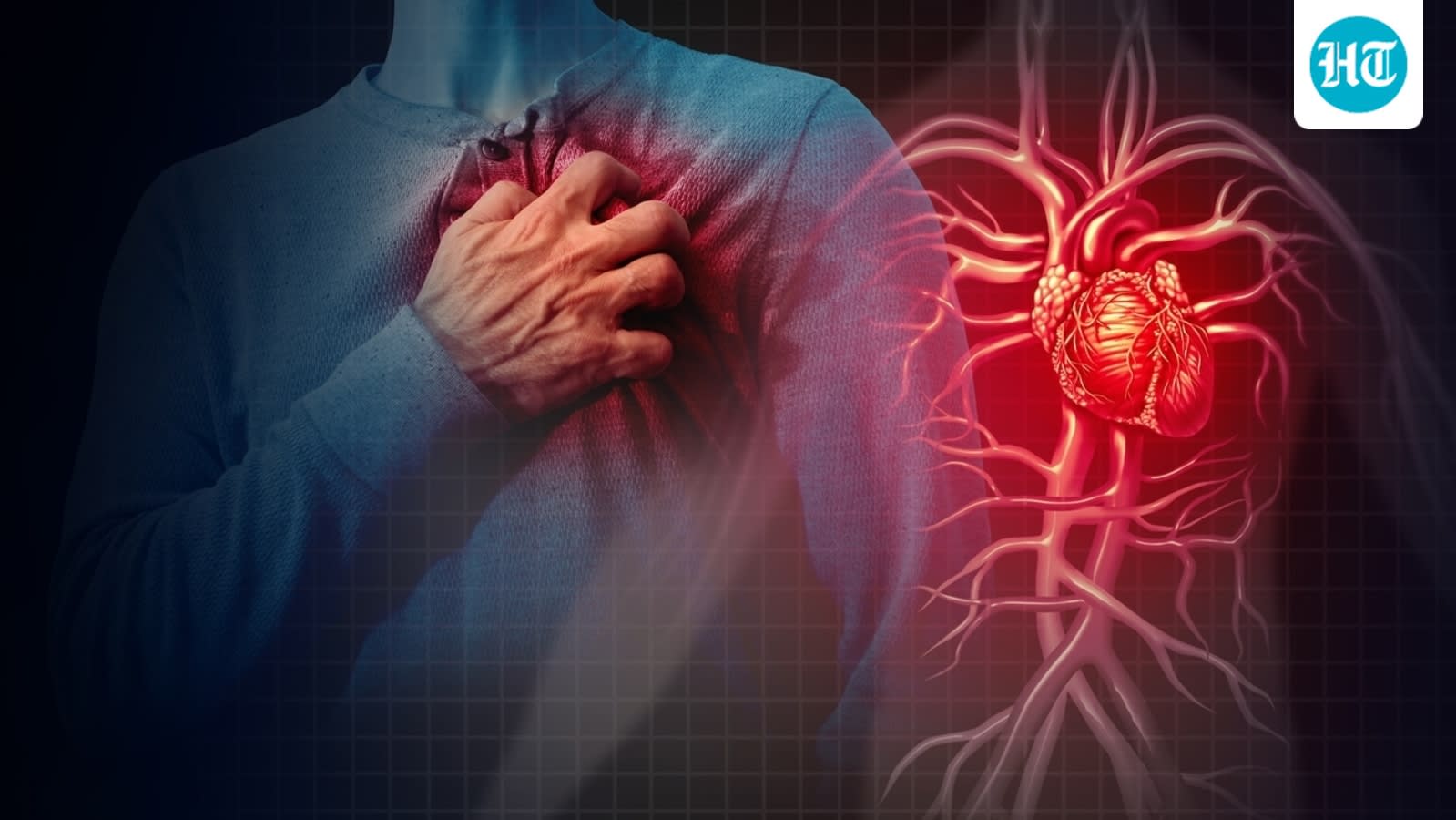
Medical experts highlight the critical link between heart and brain health, noting that cardiovascular function directly impacts cognitive well-being. Chronic stress further exacerbates these risks by triggering physiological responses that damage both systems over time.
The Intrinsic Connection Between Heart and Brain Health
The human body functions as a complex, integrated system where the health of one organ is inextricably linked to another. Recent insights from experts, including Dr. Debdatta Majumdar of Narayana RN Tagore Hospital, emphasize that heart and brain health should not be viewed in isolation. Because the brain relies on the heart to deliver a constant, oxygen-rich blood supply, any degradation in cardiovascular efficiency immediately threatens cognitive function and neurological stability.
The Biological Mechanism: Blood Flow and Cognitive Function
At the core of this connection is the vascular system. The heart serves as the primary engine, pumping nutrient-rich blood to the brain. When cardiovascular health is compromised—whether through hypertension, arterial plaque, or poor circulation—the brain experiences a deficit in essential resources. This dependency highlights why maintaining vascular integrity is not just a heart health issue, but a fundamental requirement for long-term cognitive health and preventing vascular-related neurological decline.
Chronic Stress: The Silent Cardiovascular Catalyst
Beyond physical mechanics, psychological factors play a significant role in cardiovascular outcomes. Chronic stress acts as a persistent physiological burden, forcing the body into a state of constant 'fight-or-flight.' This response triggers a surge in cortisol and adrenaline, which elevates heart rate and constricts blood vessels. Over time, this biological wear and tear increases the risk of heart disease, creating a feedback loop that leaves both the heart and the brain vulnerable to systemic inflammation and damage.
Shared Risk Factors and Proactive Intervention
Because the heart and brain share the same circulatory pathways, they are susceptible to the same set of risk factors. Lifestyle choices that negatively impact the heart—such as sedentary habits, poor diet, and unmanaged stress—simultaneously undermine brain health. Early intervention is therefore critical. By monitoring blood pressure, managing stress levels, and adopting heart-healthy habits, individuals can effectively protect both organs simultaneously, reducing the likelihood of systemic health crises.
Future Trends in Holistic Health Management
As medical research continues to evolve, the trend in clinical practice is shifting toward a more holistic approach to patient care. Rather than treating cardiology and neurology as siloed specialties, modern healthcare is increasingly recognizing the 'heart-brain axis.' Future diagnostic trends will likely focus on comprehensive screenings that evaluate cardiovascular markers as predictors for neurological health, encouraging patients to adopt long-term wellness strategies that address the body as an interconnected unit rather than a collection of independent parts.
Verification Required?