From Protein to Fibre: What Is Worth Considering.
Source Entity
Latest News: Todays Latest News Headlines from India & World | Hindustan Times | Hindustan Times
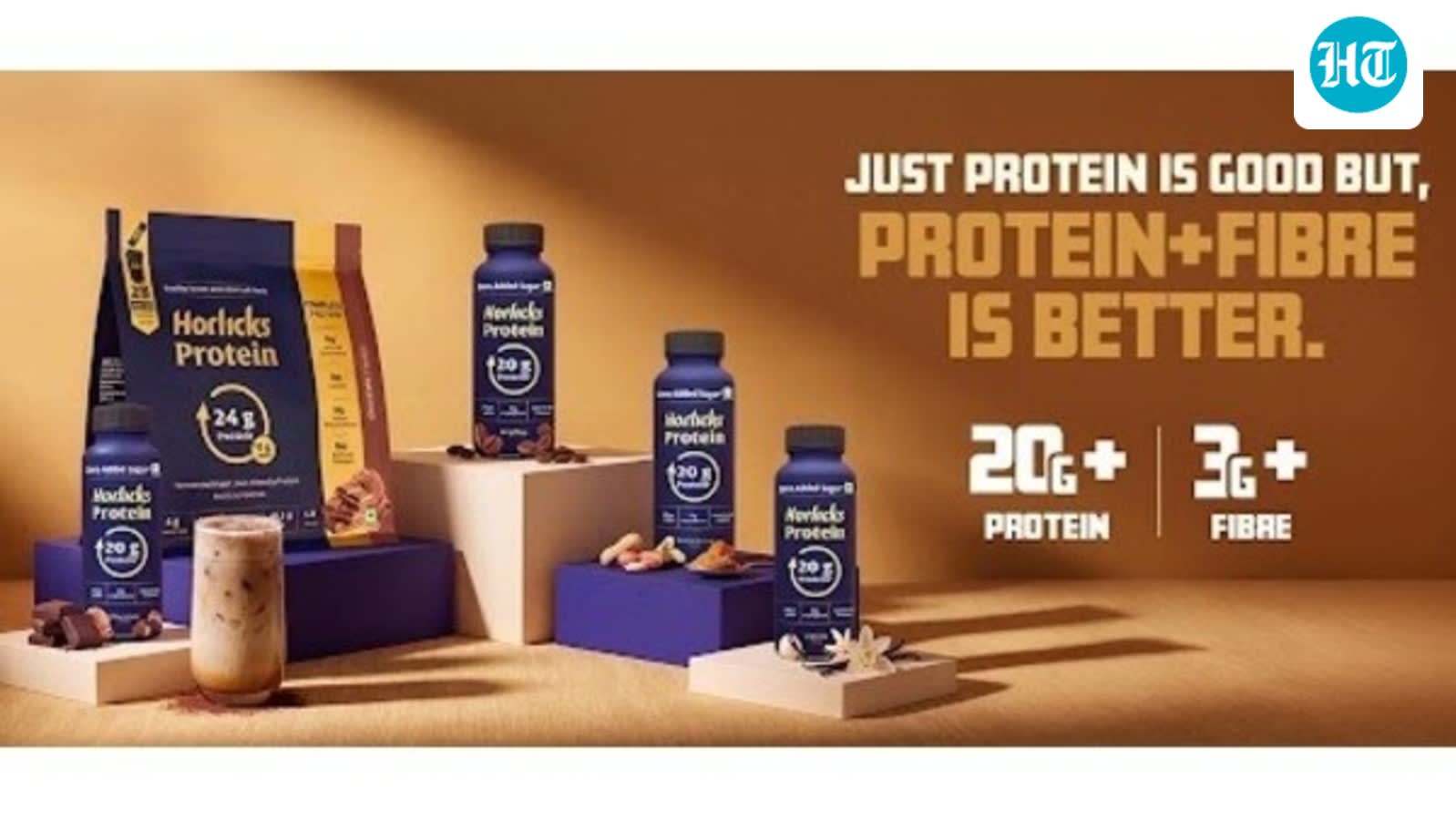
Balancing protein intake with fiber is essential for maintaining health amidst a hectic lifestyle. Prioritizing nutritional quality over simple convenience helps busy individuals optimize their daily diet.
The Modern Nutritional Dilemma
In an era defined by rapid pace and constant connectivity, the quest for optimal health often clashes with the reality of daily schedules. For professionals, students, and parents, nutrition is rarely a matter of ignorance but rather one of logistics. The challenge lies in reconciling the biological need for high-quality fuel with the practical constraints of a life where meals are frequently rushed or consumed between competing priorities.
Moving Beyond Macronutrient Counting
While the current fitness zeitgeist heavily emphasizes protein intake, the focus often narrows too strictly on gram counts. True nutritional efficacy requires a more nuanced approach, one that looks past the raw data of a label to understand the composition of what we consume. As highlighted in recent dietary discussions, prioritizing protein quality—rather than just quantity—is a necessary evolution for those seeking sustained energy and metabolic health.
The Critical Synergy of Fiber and Protein
Integrating fiber into a protein-centric diet is not merely an optional addition; it is a fundamental requirement for digestive health and satiety. Fiber acts as the regulatory mechanism for the body, slowing digestion and ensuring that the energy derived from protein is released in a controlled, stable manner. Without adequate fiber, high-protein diets can lead to digestive discomfort and may fail to provide the long-term fullness required to avoid impulsive, less healthy snacking.
Navigating the Convenience Trap
Convenience often dictates the modern diet, leading many to rely on processed options that claim to be 'healthy' while lacking true nutritional density. The struggle for busy individuals is identifying which 'healthy' snacks actually provide the necessary fiber-to-protein ratio. By shifting the focus toward foods that are both nutrient-dense and portable, individuals can reclaim their health without sacrificing the precious time required by their professional or personal commitments.
Future Trends in Sustainable Nutrition
As our understanding of gut health and metabolic efficiency grows, the industry is likely to see a shift toward products that marry convenience with high-fiber, high-quality protein profiles. Future dietary trends will likely prioritize 'functional nutrition'—foods designed not just to fill a gap, but to provide a complete, balanced nutritional profile that supports the body throughout an unpredictable day. This evolution marks a move away from fad dieting toward a more sustainable, holistic approach to long-term wellness.
Verification Required?