Why do your teeth develop tiny rough edges as you get older? Dentist explains common causes and habits to watch out for
Source Entity
Latest News: Todays Latest News Headlines from India & World | Hindustan Times | Hindustan Times
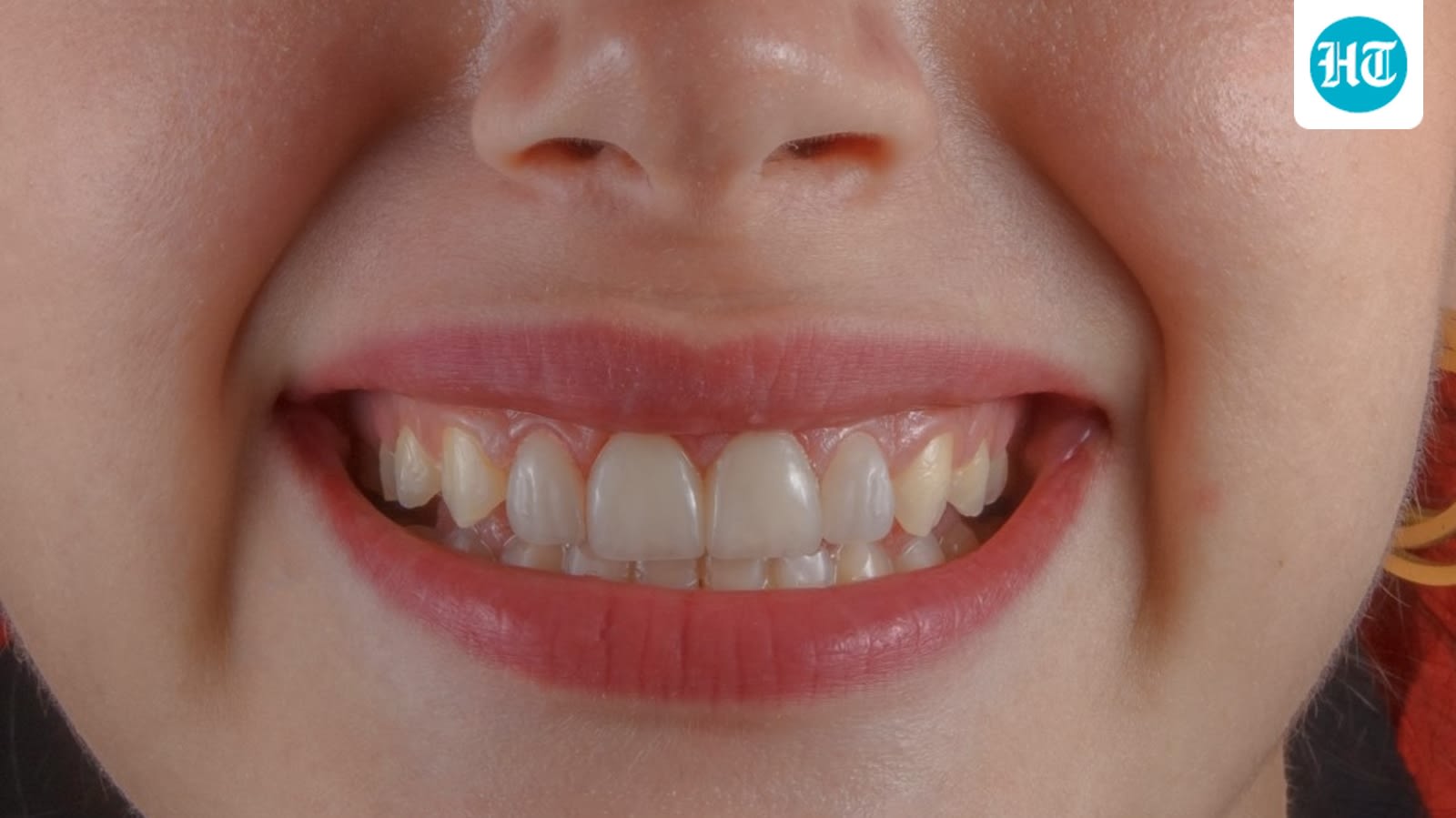
Teeth often develop rough edges over time due to natural wear and tear, exacerbated by habits like grinding and biting hard objects. Dentists advise modifying these behaviors to preserve dental integrity and prevent further structural damage.
Understanding Dental Wear and Tear: Why Teeth Develop Rough Edges
It is a common experience to run one’s tongue over the teeth and suddenly detect a previously unfelt rough or jagged edge. While often perceived as a sudden development, these changes are typically the cumulative result of long-term mechanical and chemical stresses placed upon the enamel. As Dr. Sharmishtha Lad highlights, the transformation of tooth structure is a natural progression of aging, though it is significantly accelerated by specific lifestyle choices and unconscious habits.
The Impact of Bruxism and Mechanical Pressure
One of the primary drivers behind the alteration of tooth shape is bruxism, or the chronic clenching and grinding of teeth. This condition, which often occurs unconsciously during sleep or periods of stress, subjects the dental structure to intense, repetitive pressure. Over time, this force does more than just wear down the chewing surfaces; it can lead to the fracturing of delicate enamel edges, resulting in the uneven, jagged texture many patients notice as they age.
The Role of Damaging Daily Habits
Beyond involuntary grinding, external mechanical trauma is a significant contributor to dental degradation. Dr. Lad emphasizes that biting on non-food items—such as ice, pens, fingernails, or bottle caps—creates sudden, high-impact force that the enamel is not designed to withstand. These habits act as catalysts for micro-fractures, which eventually manifest as the rough, uneven edges that characterize aging teeth. Recognizing and curbing these habits is essential for maintaining the aesthetic and functional integrity of the dentition.
Chemical Factors and Enamel Erosion
While mechanical forces are crucial, the chemical environment of the mouth also plays a pivotal role. The ingestion of acidic foods and beverages can soften the enamel, making the teeth more susceptible to the wear described above. When enamel is weakened by acid, the structural integrity of the tooth edge is compromised, allowing for easier chipping or wearing away of the surface. This highlights the importance of dietary awareness in protecting dental health.
Long-Term Implications for Dental Health
If left unaddressed, these minor rough edges can evolve into more significant dental concerns, including increased sensitivity or structural vulnerability. Understanding that these changes are not merely cosmetic is vital; they serve as early warnings of excessive wear. By identifying the root causes—whether through stress management for grinding or behavioral changes regarding hard objects—individuals can significantly mitigate the rate at which their teeth age.
Conclusion: Proactive Dental Maintenance
Ultimately, while the development of rough edges is a frequent byproduct of aging, it is largely manageable through informed lifestyle adjustments. By curbing habits like nail-biting, managing nocturnal grinding, and being mindful of acidic intake, one can preserve the natural shape and health of their teeth. Regular professional consultations remain the best strategy for monitoring these changes and ensuring that minor surface wear does not escalate into deeper, more complex dental issues.
Verification Required?