Is washing raw chicken before cooking a health risk? Delhi cardiologist Dr Alok Chopra warns it can make your kitchen dangerously dirty
Source Entity
Latest News: Todays Latest News Headlines from India & World | Hindustan Times | Hindustan Times
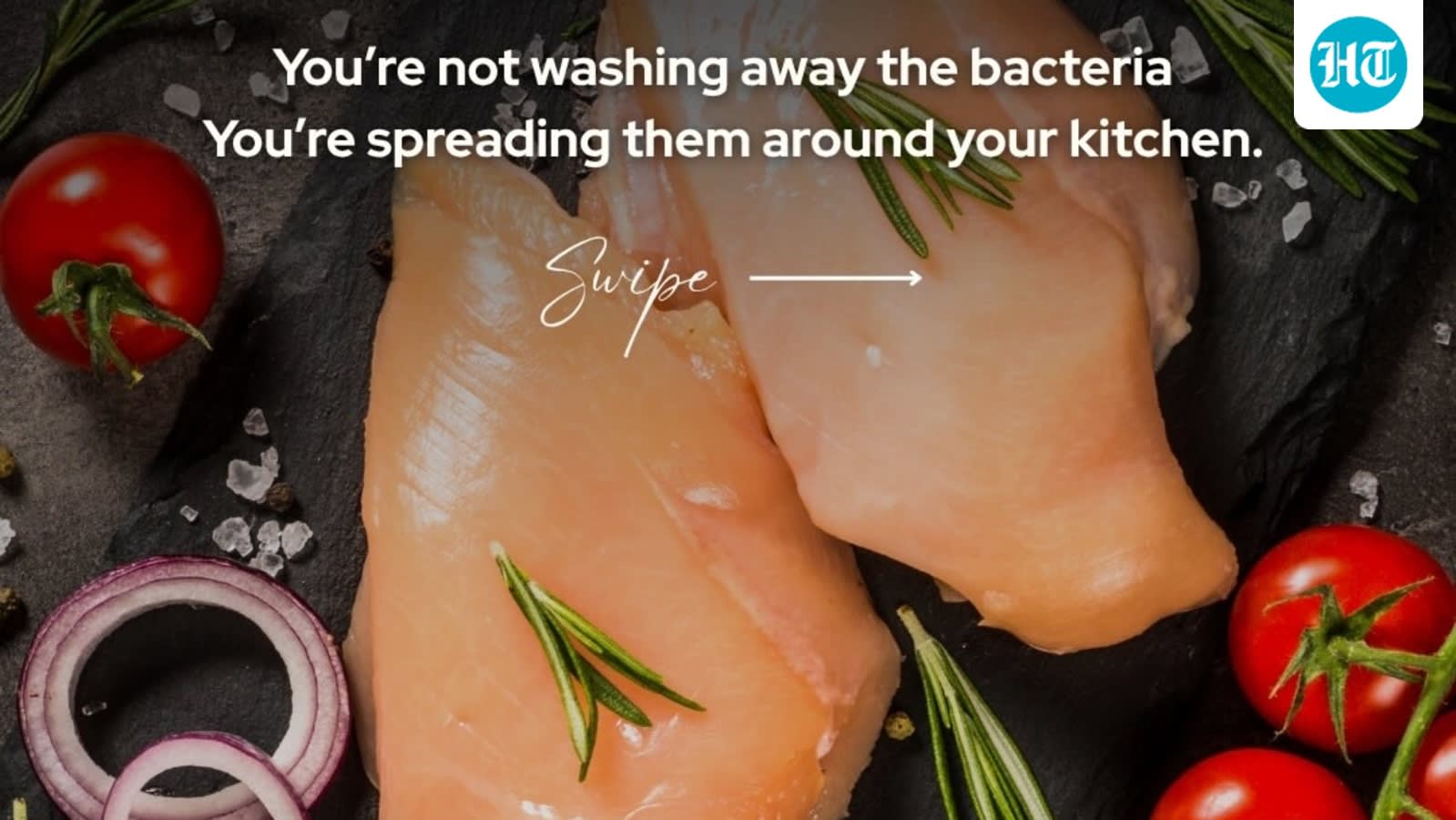
Delhi cardiologist Dr. Alok Chopra warns that washing raw chicken spreads harmful bacteria throughout the kitchen. He emphasizes that proper cooking heat, not water, is the only effective way to ensure food safety.
The Hidden Dangers of Kitchen Traditions
For generations, the practice of washing raw chicken under a running faucet has been a deeply ingrained culinary habit in kitchens worldwide. Often taught as a fundamental step in food preparation, this action was traditionally believed to remove impurities or bacteria from the meat's surface. However, modern food safety science and expert medical guidance, such as the recent advisory from Delhi-based cardiologist Dr. Alok Chopra, suggest that this well-intentioned practice is fundamentally counterproductive to maintaining a hygienic kitchen environment.
The Mechanics of Cross-Contamination
Dr. Alok Chopra’s recent warning highlights a critical oversight in domestic food preparation: the physics of aerosolization. When raw chicken is placed under a high-pressure tap, the water does not simply clean the surface; it creates a fine mist of droplets containing pathogens such as Campylobacter and Salmonella. These microscopic droplets can travel several feet, landing on countertops, nearby utensils, sponges, and even other fresh produce. By attempting to 'clean' the chicken, the cook is inadvertently turning their kitchen into a distribution center for foodborne bacteria.
Why Heat is the Only True Sanitizer
Central to Dr. Chopra’s advice is the distinction between surface rinsing and thermal processing. Water, regardless of its flow, is incapable of neutralizing the bacteria embedded within the structure of raw poultry. The only scientifically validated method to ensure that chicken is safe for consumption is through the application of sustained, high-level heat. Achieving an internal temperature of 165°F (74°C) is the gold standard for killing pathogens, rendering the surface-washing step not only unnecessary but redundant.
Challenging Cultural Norms
This shift in kitchen etiquette represents a broader trend in public health communication, where traditional 'kitchen lore' is being systematically debunked by modern medical professionals. Many home cooks struggle to abandon these habits because they are passed down through generations, often equated with 'clean' cooking. However, as Dr. Chopra notes, the illusion of cleanliness provided by a water rinse creates a false sense of security that can lead to dangerous cross-contamination incidents.
Future Implications for Home Safety
As public awareness regarding foodborne illnesses grows, it is likely that we will see more health experts focusing on domestic hygiene habits. The focus is shifting from simple 'cleanliness' to 'pathogen management.' Home cooks are encouraged to prioritize safe handling practices, such as using dedicated cutting boards for raw meat and ensuring thorough cooking temperatures, rather than engaging in performative cleaning steps that increase the risk of spreading bacteria.
Conclusion
In conclusion, the guidance provided by Dr. Alok Chopra serves as a necessary intervention in modern household practices. By abandoning the outdated habit of washing raw poultry, home cooks can significantly reduce the risk of bacterial contamination in their kitchens. Adopting evidence-based techniques—specifically relying on heat rather than water—is the most effective way to protect household health and ensure that the kitchen remains a place of safety rather than a source of potential illness.
Verification Required?