Hezbollah Chief Again Rejects Lebanon-Israel Deal, Refuses "Surrender"
Source Entity
NDTV News Search Records Found 1000
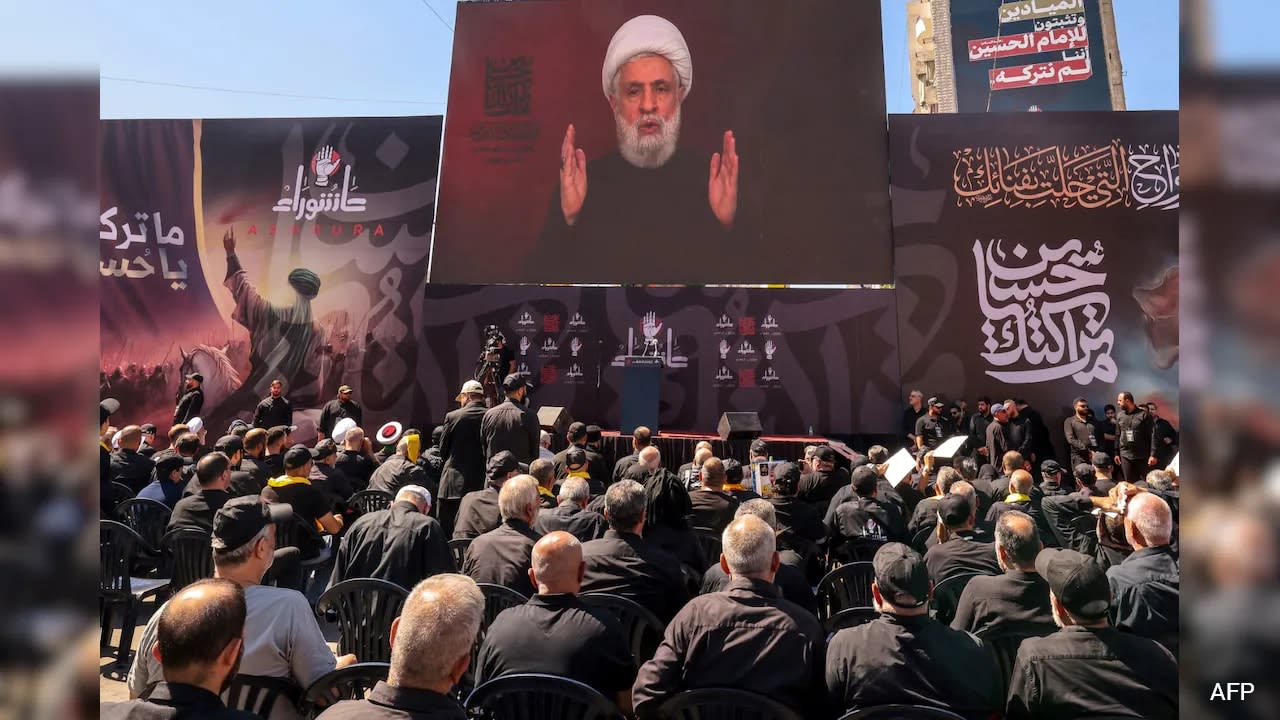
Hezbollah leader Naim Qassem has formally rejected the US-brokered framework agreement between Lebanon and Israel. This development prolongs the conflict that began in March and complicates efforts toward disarmament and regional stability.
The Stalled Path to Peace: Hezbollah's Rejection of the Framework Agreement
Recent developments in the Middle East have signaled a significant setback for diplomatic efforts to de-escalate the conflict between Israel and Lebanon. Hezbollah chief Naim Qassem has publicly reaffirmed his organization's opposition to the US-sponsored framework agreement, characterizing the potential deal as a form of "surrender." This hardline stance, delivered via the group's Al-Manar television channel, directly undermines the progress made during negotiations in late June.
The Context of the Conflict
The current hostilities began on March 2, when Hezbollah initiated attacks against Israel, drawing Lebanon into a wider regional conflict. Israel’s response, characterized by massive aerial strikes and a subsequent ground invasion, has resulted in a severe humanitarian toll. According to reports from Lebanese authorities, the violence has claimed the lives of more than 4,300 people, underscoring the intensity of the military engagement and the desperation surrounding the push for a ceasefire.
The Framework Agreement and Disarmament
Central to the diplomatic impasse is the framework agreement signed in late June. This document explicitly includes provisions for the disarmament of Hezbollah, a condition the group views as an existential threat to its operational mandate and its influence within Lebanon. Qassem’s explicit call for the "downfall" of this agreement indicates that the group remains committed to its military posture, despite the heavy civilian and infrastructural costs incurred over the last six months.
Geopolitical Implications
Hezbollah, which maintains deep ties to Iran, operates as a significant non-state actor with substantial military capabilities. By rejecting a deal mediated by the United States, Qassem is signaling that the group is not currently amenable to external pressures that require them to relinquish their weaponry. This rejection places the Lebanese government in a precarious position, as it remains caught between international diplomatic expectations and the domestic reality of Hezbollah’s armed presence.
Future Trends and Outlook
Looking ahead, the refusal to engage with the framework agreement suggests that the conflict is unlikely to see a resolution in the immediate future. As both sides remain entrenched in their positions, the regional instability is expected to persist. The failure of this diplomatic initiative may lead to increased military pressure from Israel, further complicating the humanitarian situation in Lebanon and challenging the capacity of international mediators to foster a sustainable peace process.
Verification Required?