HHS moves to tighten oversight of food ingredients as safety concerns mount
Source Entity
US Top News and Analysis
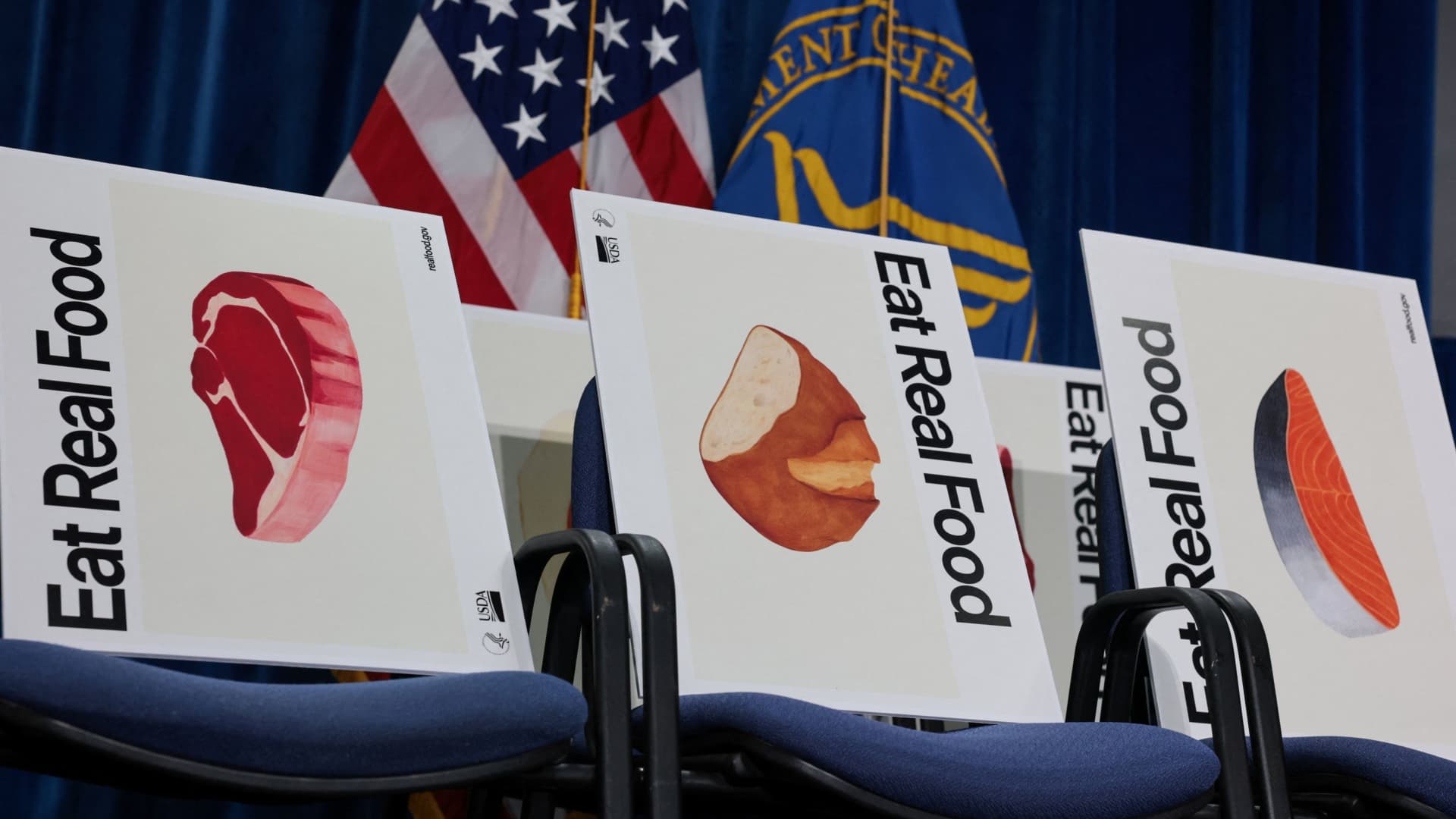
HHS and the USDA are launching new nutrition policies to improve food ingredient oversight and define ultra-processed foods. This initiative follows a wave of foodborne illness outbreaks, including cyclospora, salmonella, and listeria, highlighting critical gaps in current FDA safety visibility.
Strengthening Federal Oversight in Food Safety
On January 8, 2026, U.S. Health and Human Services (HHS) Secretary Robert F. Kennedy, Jr. and Agriculture Secretary Brooke Rollins convened at the HHS headquarters in Washington, D.C., to signal a major shift in federal nutrition policy. The gathering, marked by the thematic "Eat Real Food" messaging, serves as the official launchpad for a new regulatory framework aimed at tightening oversight of food ingredients and establishing a formal definition for ultra-processed foods. This move reflects a growing federal realization that the current regulatory landscape may be insufficient to protect public health in an era of complex global supply chains.
The Catalyst: Addressing Recent Outbreaks
The urgency behind these new policies is directly linked to a difficult summer characterized by numerous foodborne illness outbreaks. Federal and state officials have been managing a series of high-profile investigations, most notably a multistate cyclospora outbreak traced back to shredded iceberg lettuce. Beyond this, the FDA is currently managing active probes into salmonella and listeria cases. These incidents have exposed significant vulnerabilities in the food safety apparatus, forcing the government to re-evaluate how it monitors ingredients from farm to fork.
Defining the Ultra-Processed Landscape
A central component of the new initiative involves defining "ultra-processed foods." For years, public health experts have argued that the lack of a clear, standardized definition hampers both scientific research and consumer awareness. By moving to define these products, the HHS and USDA aim to create a consistent regulatory baseline. This classification is expected to facilitate better data collection, potentially leading to future labeling requirements or restrictions that could alter the composition of processed food offerings in the United States.
Enhancing FDA Visibility and Accountability
Historically, the FDA has faced criticism regarding its visibility into the supply chain. The current push by Secretary Kennedy and Secretary Rollins suggests a strategic pivot toward more proactive, rather than reactive, oversight. By integrating the resources of the HHS and the USDA, the administration is attempting to consolidate its authority over food safety. This inter-agency cooperation is essential for ensuring that safety protocols are not just guidelines, but enforceable standards that hold manufacturers accountable for the chemical and nutritional integrity of their products.
Future Implications for the Food Industry
As the government submits the final versions of these federal nutrition policies for review, the food industry must prepare for a more rigorous regulatory environment. The focus on ingredient safety and the categorization of ultra-processed items could lead to significant reformulations of popular consumer products. While the immediate goal is to mitigate foodborne illness, the long-term objective is to shift the American dietary landscape toward "real food" alternatives, potentially reducing the prevalence of diet-related chronic conditions.
Conclusion: A New Era of Food Policy
The January 2026 announcement marks a decisive step toward modernizing food safety. By addressing both the acute dangers of pathogens like listeria and the chronic concerns surrounding ultra-processed ingredients, the HHS and USDA are attempting to bridge the gap between public health goals and industrial practice. Moving forward, the effectiveness of these policies will depend on the stringency of the final regulations and the ability of federal agencies to maintain rigorous oversight in a fast-evolving food market.