TechCrunch Mobility: The hidden human cost of robotaxis
Source Entity
Kirsten Korosec
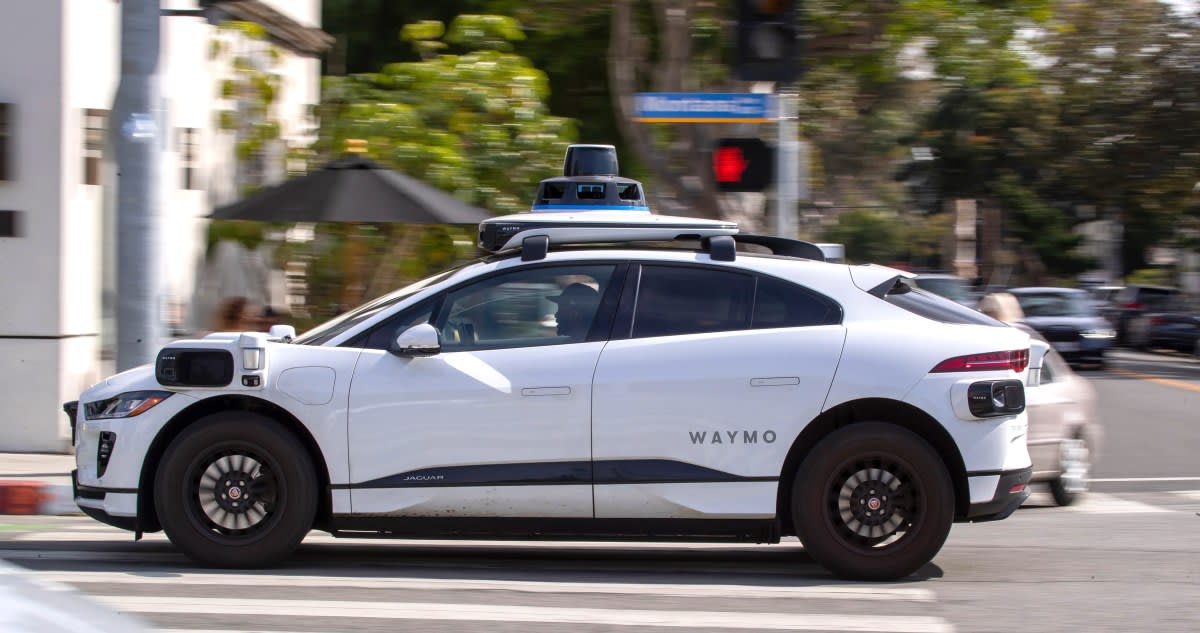
Recent investigations reveal a concerning trend of injuries among autonomous vehicle test drivers at Waymo and Zoox. Despite claims of increased road safety, the human cost of developing this technology includes dozens of incidents caused by sudden braking.
The Hidden Human Cost of Autonomous Vehicle Development
For years, the narrative surrounding autonomous vehicles (AVs) has been defined by the promise of a safer, more efficient future. Proponents argue that by removing human error from the equation, robotaxis will drastically reduce traffic accidents and fatalities. While data on vehicle performance continues to evolve, a new investigation into the Occupational Safety and Health Administration (OSHA) records reveals a stark, often overlooked reality: the physical toll exacted on the human test drivers tasked with refining this technology.
The Reality of Test Driving
According to findings by senior reporter Sean O’Kane, test drivers employed by industry leaders Waymo and Zoox sustained more than two dozen injuries throughout 2024 and 2025. These injuries were primarily linked to the operational idiosyncrasies of the vehicles themselves, specifically instances of hard braking or other sudden, unpredictable maneuvers. These incidents highlight the precarious nature of 'human-in-the-loop' testing, where drivers are expected to maintain constant vigilance while the AI systems undergo rigorous, often erratic, learning phases.
Analyzing the Safety Paradox
There is a fundamental paradox in the current trajectory of AV development. While the long-term goal is to replace human drivers to mitigate collision risks, the developmental process relies on humans being subjected to the very dangerous driving behaviors the technology is meant to eliminate. When an autonomous system triggers hard braking, it may be reacting to a perceived threat, but for the human operator, this sudden physical force results in real-world trauma, ranging from whiplash to more severe musculoskeletal injuries.
Regulatory Oversight and Corporate Responsibility
This data, surfaced through mandatory OSHA reporting, underscores the necessity for greater transparency in how AV companies manage their workforce safety. As these companies scale their operations, the frequency of these 'edge case' events—where the AI suddenly brakes or swerves—remains a critical bottleneck. The reliance on human testers to act as a safety net suggests that the technology is not yet as autonomous as the marketing suggests, placing the burden of failure on the employees.
Future Trends and Implications
Looking ahead, the industry faces a significant challenge in balancing rapid innovation with workplace safety standards. If the frequency of these injuries persists, we can expect increased scrutiny from labor organizations and federal regulators. Companies like Waymo and Zoox will likely need to invest in more advanced ergonomic safety measures for their test fleets, or alternatively, accelerate the transition to fully driverless testing environments to remove humans from the line of fire. Ultimately, the future of mobility must be evaluated not just by the safety of the passengers, but by the well-being of the workers building the systems.