Why high cholesterol often goes unnoticed until it triggers a heart attack or stroke
Source Entity
The Indian Express
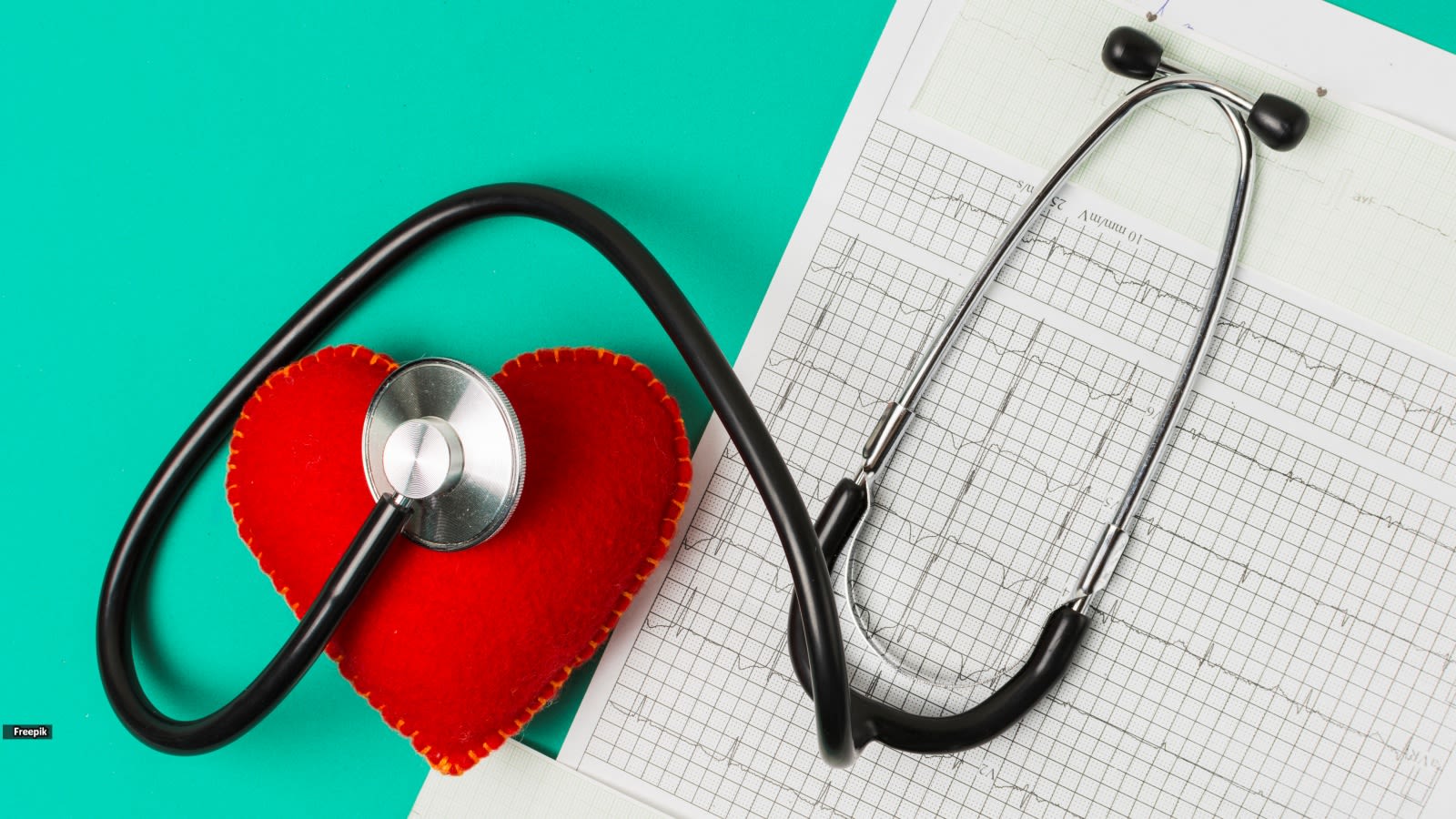
High cholesterol often remains asymptomatic for years, silently damaging arteries until a major cardiac event occurs. Early detection through regular screening is essential because individuals can appear perfectly healthy while harboring dangerous cholesterol levels.
The Silent Threat: Understanding Asymptomatic High Cholesterol
High cholesterol represents a significant public health challenge precisely because of its insidious nature. While it is frequently associated with aging, weight gain, and poor dietary habits, the condition rarely presents with physical warning signs in its early stages. This lack of symptoms creates a false sense of security for many individuals who feel perfectly healthy, even as their cardiovascular system faces progressive damage.
The Mechanism of Silent Artery Damage
At the core of this issue is the physiological process of atherosclerosis. Excess cholesterol in the bloodstream gradually accumulates on the inner walls of the arteries, forming plaques. This buildup happens silently over years or even decades. Because the body does not signal this accumulation through pain or discomfort, the damage continues unabated. By the time a patient realizes there is a problem, the arteries may already be significantly narrowed or prone to rupture.
Why Medical Intervention is Often Reactive
Because the condition is asymptomatic, many individuals only discover their high cholesterol levels following a catastrophic event, such as a heart attack or stroke. This reactive rather than proactive approach to heart health is a major concern for medical professionals. When a plaque ruptures, it can trigger blood clots that block blood flow to the heart or brain, leading to life-threatening complications that could have been mitigated with earlier intervention.
The Role of Public Awareness and Screening
Questions raised in public forums, such as those on Quora, highlight a growing awareness of this 'silent' danger. The confusion stems from the human tendency to associate illness with physical symptoms like pain or fever. However, metabolic conditions require a different diagnostic approach. Regular blood screenings are the only reliable way to monitor lipid profiles, making routine check-ups the most effective tool in preventing sudden cardiac events.
Moving Toward Proactive Cardiovascular Health
To combat the silent progression of high cholesterol, healthcare strategies must shift toward earlier, consistent monitoring. Understanding that 'feeling healthy' is not an accurate indicator of heart health is crucial. By normalizing routine lipid panels, individuals can identify elevated cholesterol levels long before they manifest as severe health crises, allowing for lifestyle modifications or medical treatments to restore artery health before irreversible damage occurs.