Why Karnataka High Court said complainants must get trap money back
Source Entity
Mustafa Plumber
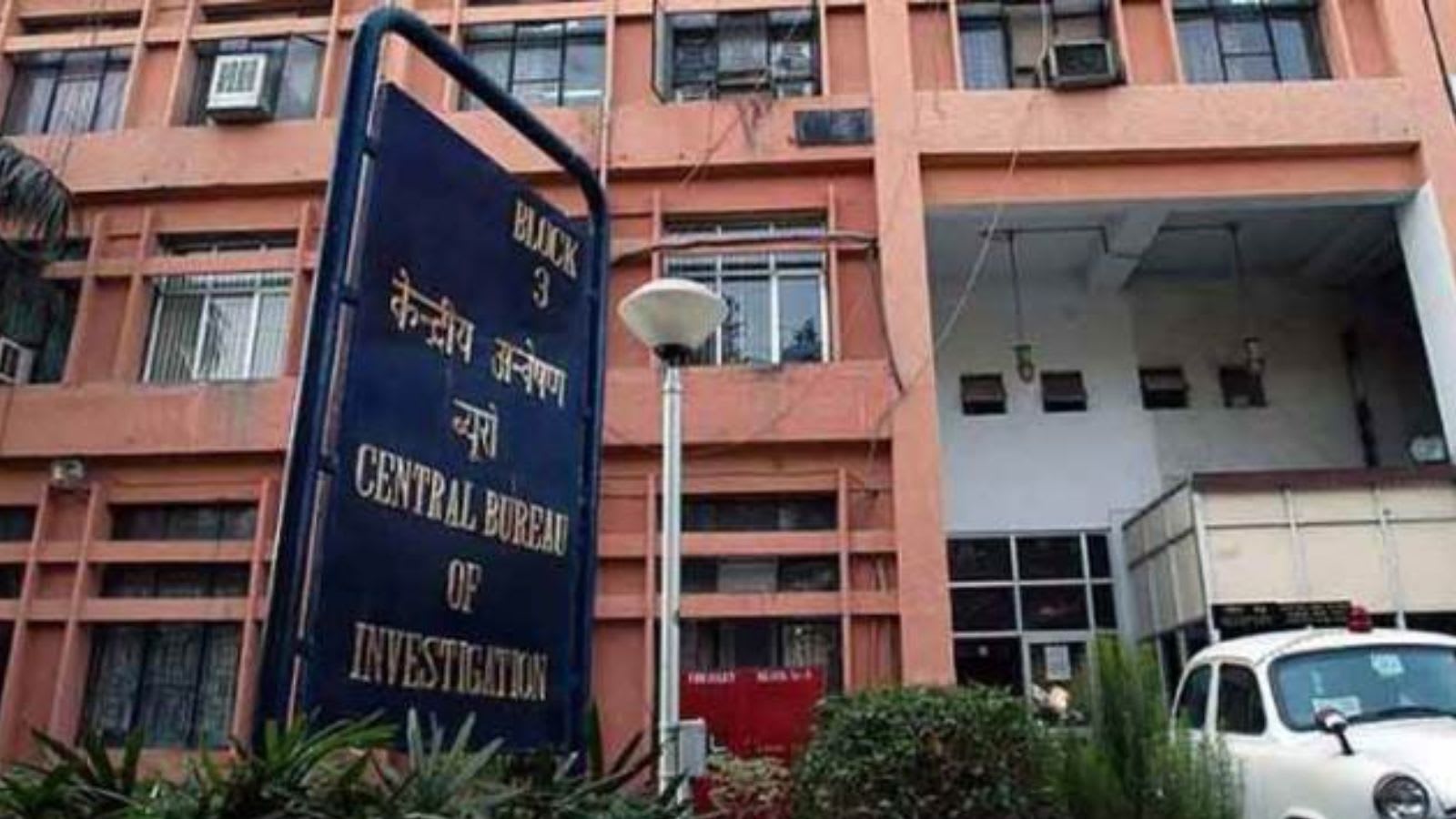
The Chhattisgarh High Court has upheld a Rs 22,000 monthly maintenance order for an Army personnel's family, while the Karnataka High Court ruled that trap money used in anti-corruption cases must be returned to complainants after the chargesheet is filed.
Judicial Rulings on Family Welfare and Anti-Corruption Integrity
Recent judicial pronouncements from the Chhattisgarh and Karnataka High Courts underscore the judiciary's proactive role in balancing individual financial security with the broader objectives of law enforcement and social welfare. In the Chhattisgarh case, the High Court affirmed a maintenance order, prioritizing the welfare of dependents, while the Karnataka High Court addressed the practical barriers faced by citizens reporting corruption.
Upholding Familial Obligations
In the matter of the Army employee’s maintenance appeal, Chief Justice Ramesh Sinha of the Chhattisgarh High Court determined that a monthly payment of Rs 22,000 is reasonable. By analyzing the petitioner's salary of Rs 76,701 alongside additional agricultural income, the court established that the maintenance amount is equitable. This ruling emphasizes that legal disputes regarding paternity or the care of extended family members do not absolve an individual of their primary obligation to provide for their spouse and children during separation.
Socio-Economic Considerations in Maintenance
Beyond the raw figures, the court’s decision reflects an awareness of the current economic climate, specifically citing the consumer price index and the rising costs of education and healthcare. By dismissing the husband's claim that the amount was "shockingly high," the court effectively set a standard that maintenance must allow for a dignified standard of living that mirrors the payer's own financial capacity.
Incentivizing Anti-Corruption Efforts
Simultaneously, the Karnataka High Court’s ruling regarding "trap money" addresses a significant deterrent for whistleblowers. Justice M Nagaprasanna’s directive ensures that citizens who use their own funds to expose corrupt officials are not left in financial distress. By mandating the return of these funds upon the filing of a chargesheet—while keeping the physical notes as evidence—the court has removed a major hurdle for public participation in anti-corruption efforts.
Strengthening Public Trust
These two rulings, though distinct in subject matter, share a common thread: the protection of the vulnerable party. Whether it is the spouse of an employee or a citizen acting as an ally of the law, the courts are signaling that the legal system must act as a shield against financial exploitation. The Karnataka ruling, in particular, is a strategic move to foster public confidence, ensuring that the act of reporting crime does not become a personal economic burden.
Future Implications
These decisions provide a clear framework for future litigations. The Chhattisgarh order serves as a precedent for family courts to conduct more thorough financial assessments, while the Karnataka order establishes a procedural standard that could be adopted by other state high courts. Together, these judicial interventions serve to reinforce the social contract, ensuring that individual duties and civic participation are supported by robust legal protections.