Two different bullet trains, signal systems can’t run in same corridor: JTTRI’s Shukuri
Source Entity
Dheeraj Mishra, Siddharth Upasani
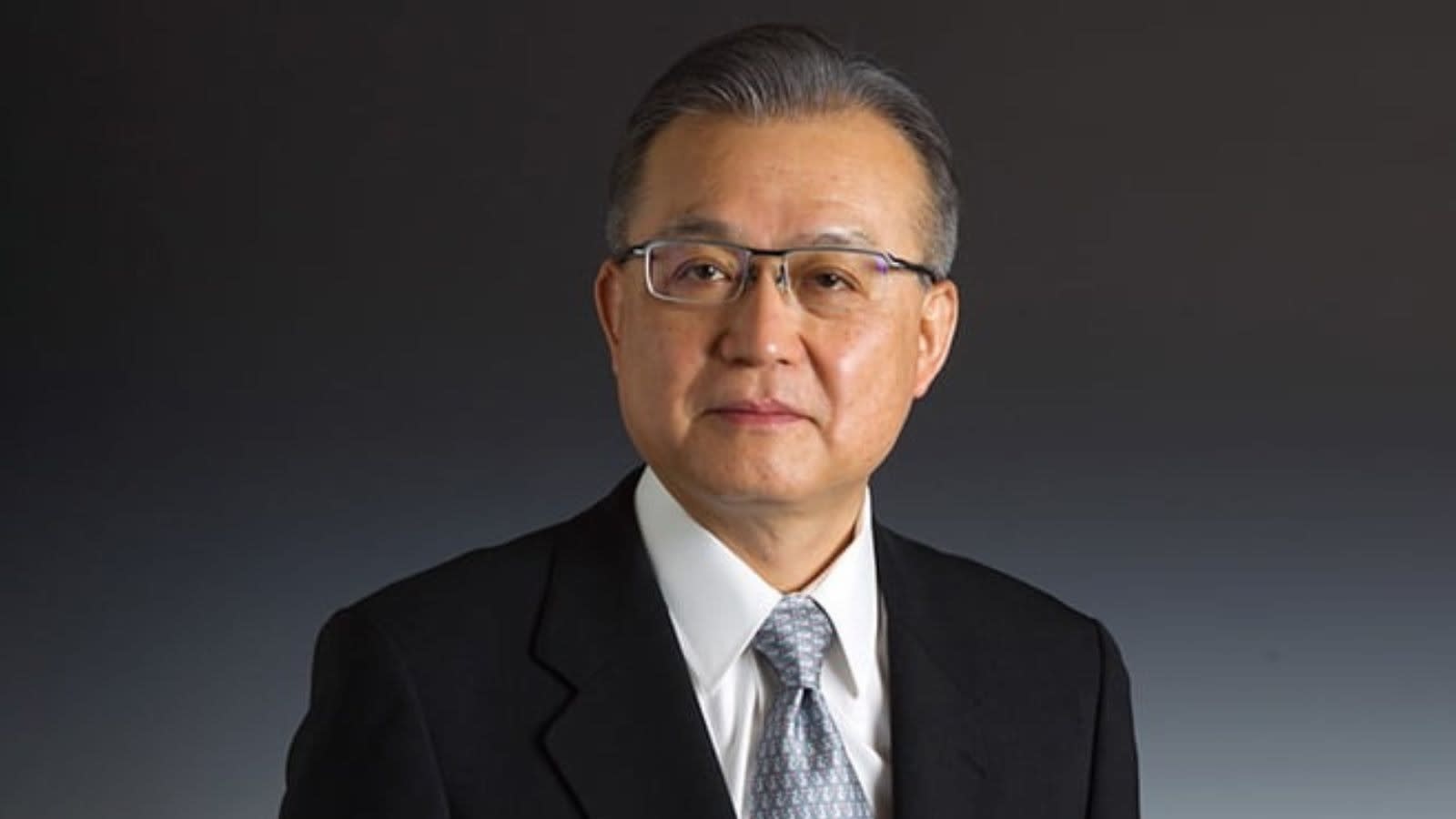
Japan International Transport and Tourism Institute's Shukuri emphasizes that high-speed rail safety hinges on integrated systems. He warns that mixing different rolling stock and signaling technologies in the same corridor poses critical risks to passenger safety.
The Imperative of Technical Synchronization in High-Speed Rail
During the recent Kautilya Economic Conclave, Shukuri of the Japan International Transport and Tourism Institute (JTTRI) provided a critical perspective on the complexities of developing high-speed rail networks. Central to his argument is the concept that high-speed rail is not merely a feat of civil engineering, but a highly integrated technological ecosystem where 'crash avoidance' serves as the foundational requirement for passenger trust and operational success.
The Incompatibility of Mixed Systems
Shukuri explicitly addressed the technical limitations of rail corridors, noting that two different bullet trains and their respective signaling systems cannot effectively operate within the same corridor. The synchronization of rolling stock and signaling is paramount; because high-speed rail operates at extreme velocities, the margin for error in communication between the train's automated systems and the track-side infrastructure is virtually non-existent. Introducing disparate systems increases the probability of signal interference or communication failures, which compromises the integrity of the safety protocols.
Beyond the Tracks: Holistic Development
Beyond the hardware, the International High-Speed Rail Association (IHRA) has consistently advocated for a broader approach to infrastructure. Shukuri highlighted that the benefits of high-speed rail are realized only when the rail network is integrated with robust station area development. This strategy ensures that the rail line acts as a catalyst for urban growth rather than an isolated transit artery. It is encouraging, according to Shukuri, that India has recognized this necessity, as evidenced by ongoing construction projects designed to revitalize areas surrounding the rail corridors.
Prioritizing Reliability and Safety
Reliability is the cornerstone of the high-speed rail model. Shukuri emphasizes that passengers must be able to travel with the absolute assurance that safety is prioritized above all else. When transit systems are fragmented by mismatched technologies, the reliability of the entire network suffers. By adhering to a unified signaling and rolling stock standard, operators can maintain the high-frequency, low-latency communication required for safe operation at high speeds.
Future Trends and Strategic Implementation
As nations look toward expanding their high-speed transit capabilities, the lessons provided by the JTTRI serve as a blueprint for long-term planning. The focus must remain on standardization to avoid the 'silo' effect, where different technologies cannot communicate. By prioritizing integrated signaling systems and synchronized rolling stock, India and other developing nations can ensure that their investments in high-speed rail yield long-term safety, economic connectivity, and sustainable urban development.