156 Himachal roads shut as rains lash state; 88 dead in monsoon
Source Entity
Latest News: Todays Latest News Headlines from India & World | Hindustan Times | Hindustan Times
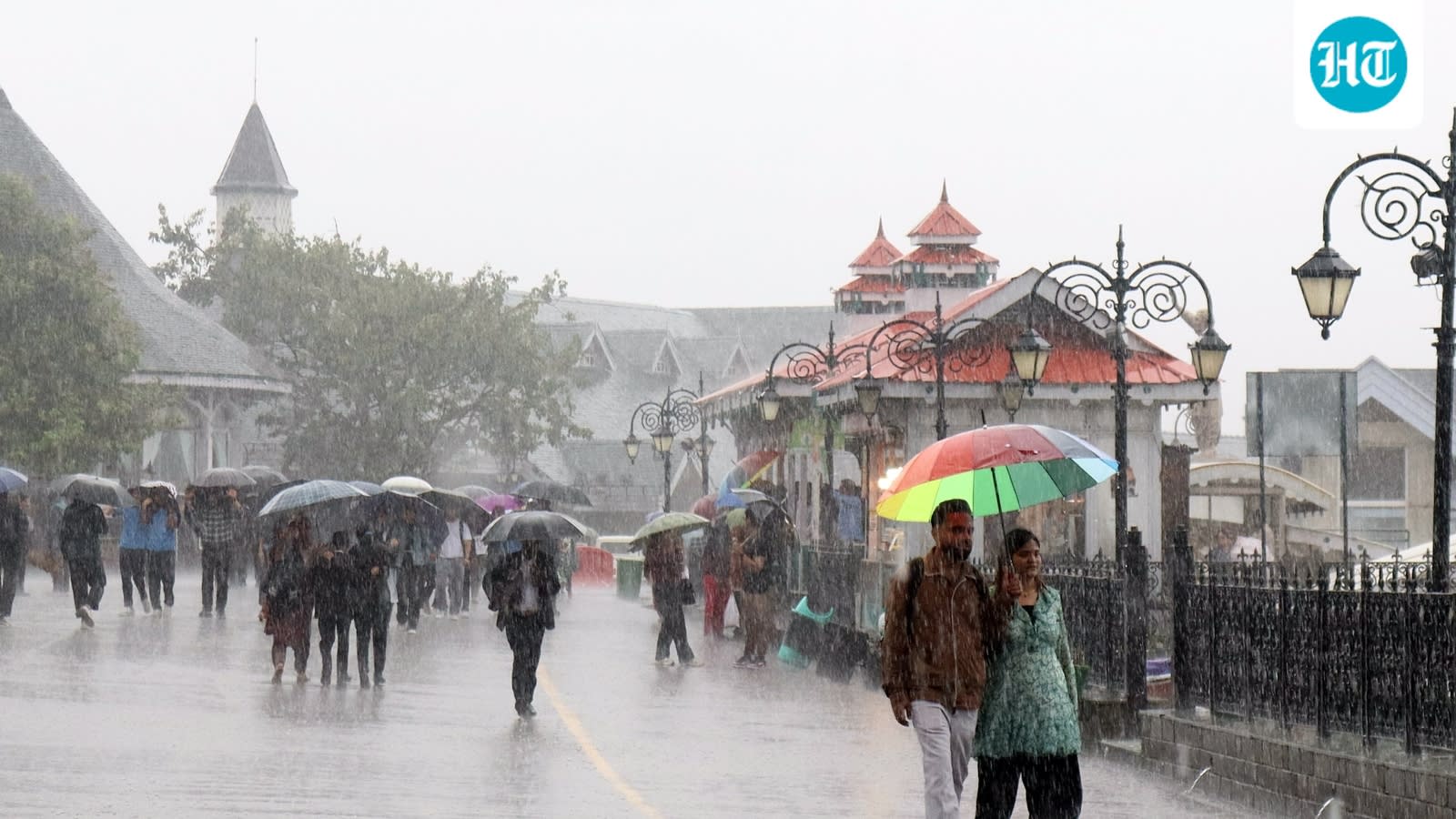
Himachal Pradesh is facing severe infrastructure damage with 156 roads closed and utility disruptions following heavy monsoon rains. The death toll from the season has reached 88, with emergency services working to restore essential water and power supplies.
Monsoon Chaos in Himachal Pradesh: An Infrastructure Crisis
Recent torrential rains in Himachal Pradesh have triggered a severe infrastructure crisis, forcing the closure of 156 roads across the state. As the monsoon season intensifies, the accumulation of damage has reached a critical threshold, with the State Emergency Operation Centre (SEOC) reporting that 88 lives have been lost to date. This disruption of connectivity is not merely a logistical challenge but a profound humanitarian issue that isolates communities in mountainous terrain.
The Scope of Utility Disruption
Beyond the physical blockage of transport corridors, the state's vital utility infrastructure has suffered significant degradation. As of Thursday evening, 22 electrical transformers have been rendered inoperable, plunging parts of the region into darkness, while 79 drinking water supply schemes have been disrupted. These failures highlight the vulnerability of essential services in the Himalayan region, where harsh weather conditions frequently overwhelm aging or exposed infrastructure networks.
Regional Impact and Geographic Distribution
Data from the SEOC reveals a stark geographic imbalance regarding the impact of these rains. Mandi district has emerged as the most severely affected area, accounting for 54 of the total road blockages. Other regions, including Kullu with 43 closures and Chamba with 10, demonstrate that the disruption is widespread. The presence of closures in districts ranging from Lahaul and Spiti to Hamirpur underscores the state-wide nature of this weather event, complicating rapid restoration efforts.
Meteorological Outlook and Future Risks
The Shimla Meteorological office has maintained a yellow warning for heavy rainfall in isolated pockets of the state until Saturday. This ongoing forecast suggests that the pressure on already strained emergency services will likely continue, hindering the recovery of the 156 blocked roads. The persistence of these rains poses a continuing threat to both life and property, as saturated soil increases the risk of landslides and further road degradation.
Broader Implications and Long-term Resilience
The recurring nature of these monsoon-related disasters in Himachal Pradesh points to a broader need for climate-resilient infrastructure. Historically, the state has struggled to balance rapid development with the ecological fragility of the Himalayas. As extreme weather events become more frequent, the reliance on traditional road networks and utility schemes will necessitate a shift toward more robust, decentralized systems that can withstand the volatile climate patterns currently affecting the region.
Concluding Summary
In conclusion, the situation in Himachal Pradesh remains precarious, with the state government managing a dual crisis of ongoing loss of life and extensive physical destruction. As emergency crews work to restore power and water, the immediate priority remains the clearance of vital transport arteries. Moving forward, the state must address the systemic vulnerabilities exposed by this monsoon to prevent future catastrophes of this magnitude.
Verification Required?