Olympics once awarded medals for poetry; 1912 gold went to founder under 2 fake names
Source Entity
SOROR SHAIZA
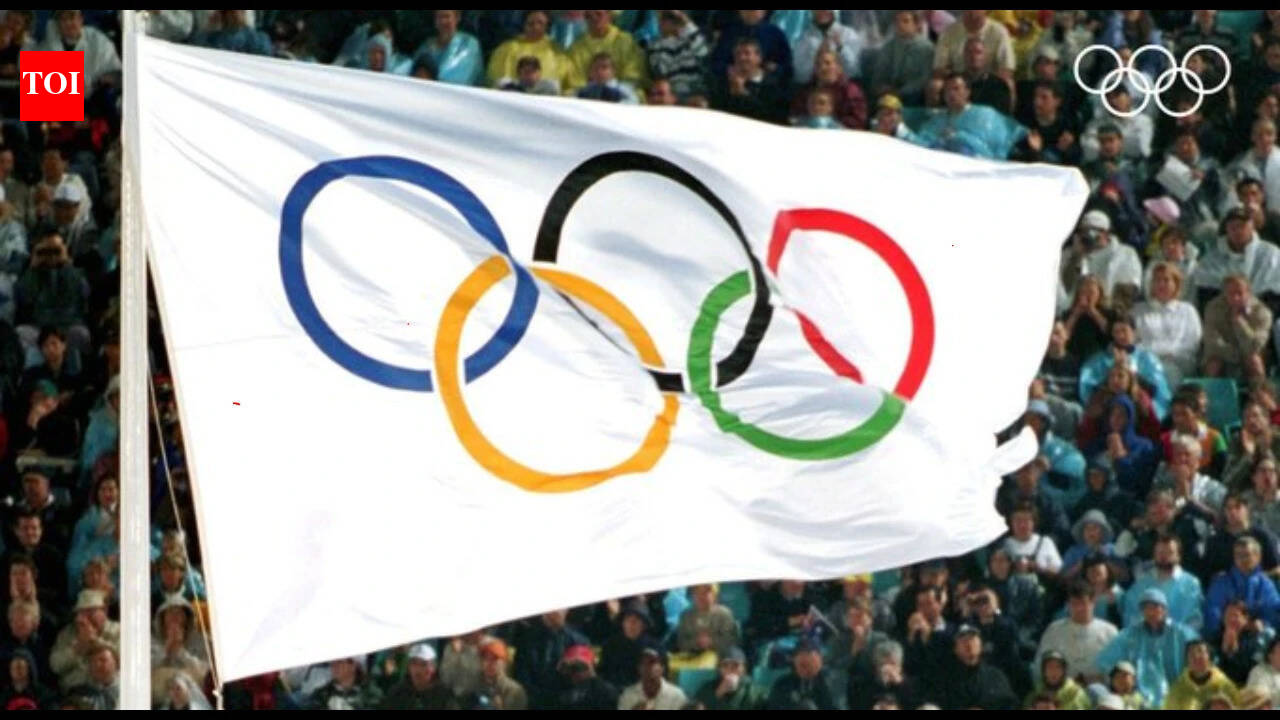
The Olympic Games historically featured artistic competitions in fields like poetry and painting, initiated by founder Pierre de Coubertin in 1912. This unique tradition concluded after the 1948 London Games due to amateurism conflicts and waning public interest.
The Lost Legacy of Olympic Art
The modern Olympic Games are synonymous with athletic prowess, yet a century ago, the vision of founder Pierre de Coubertin extended far beyond the running track. Between 1912 and 1948, the Olympics officially awarded gold, silver, and bronze medals for artistic achievements, including poetry, music, architecture, painting, and sculpture. This era, often referred to as the 'Pentathlon of the Muses,' sought to harmonize the physical and the intellectual, reflecting the ancient Greek ideal of the well-rounded citizen.
The Founder’s Secret Contrivance
Perhaps the most intriguing footnote in this history is the behavior of Pierre de Coubertin himself. In a move that would be considered a major scandal in modern sports administration, Coubertin secretly entered the 1912 literature competition under two different pseudonyms. He eventually won a gold medal for his work, 'Ode to Sport.' This incident highlights the blurred lines of the era's amateurism rules, which were often inconsistently applied and subject to the whims of the event's organizers.
The Rise and Fall of Artistic Competition
These artistic events were not merely side exhibitions; they were integrated into the core Olympic program, designed to elevate the status of the Games. However, as the decades passed, the competitions struggled to maintain relevance. The requirement that all works submitted had to be inspired by sport or physical activity limited the pool of professional artists, as many viewed the constraints as restrictive.
The Conflict of Amateurism
At the heart of the decline was the strict enforcement of amateurism. The Olympic movement of the early 20th century forbade professional participation, a rule that proved particularly difficult to enforce in the art world. Because professional writers and painters could not compete without risking their careers, the quality of submissions remained inconsistent, leading to a gradual decline in public interest and prestige.
The Final Curtain in London
By the time the 1948 London Olympics concluded, the artistic program had reached a breaking point. The logistical difficulties of judging thousands of artistic entries, combined with the shifting focus toward high-performance athletics, led to the eventual removal of the arts from the Olympic schedule. While there have been sporadic campaigns to reintroduce these elements, the modern Games remain strictly focused on physical sport.
A Legacy Reconsidered
Today, the history of the Olympic art competitions serves as a reminder of the evolving nature of the Olympic spirit. While the 'Pentathlon of the Muses' is largely forgotten by the general public, it remains a fascinating study in how the definition of human achievement changes over time. The transition from a holistic, classical vision to a specialized sporting spectacle reflects broader shifts in global culture and the professionalization of the Olympic brand.