How overhead projectors took over your classroom
Source Entity
David Pierce
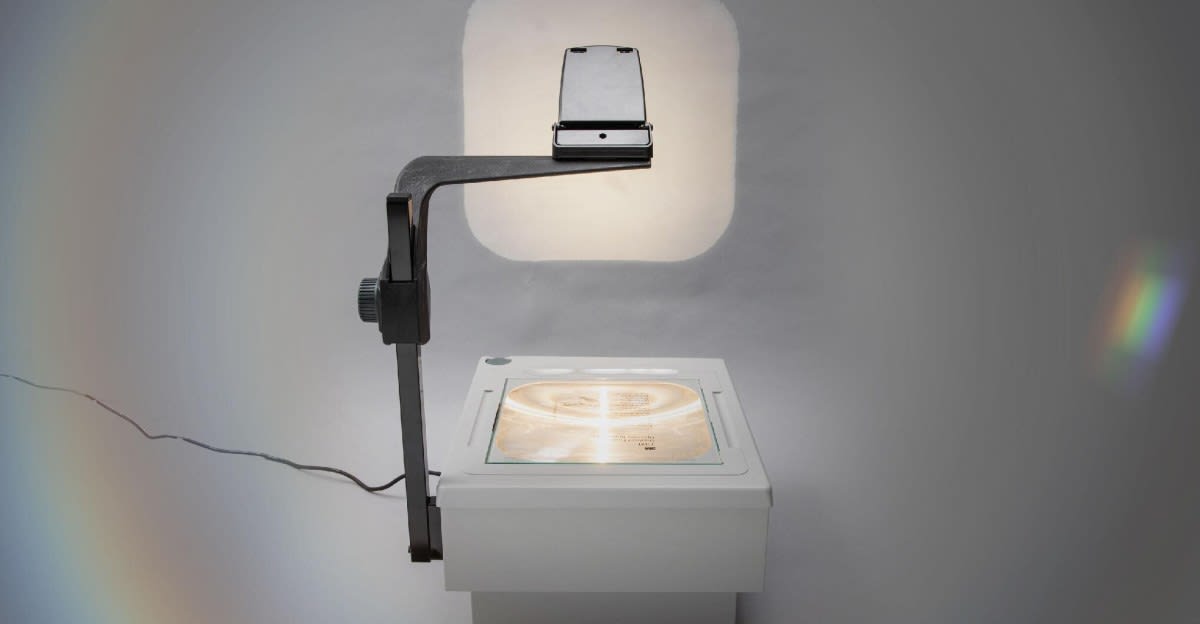
The overhead projector transformed classroom dynamics by allowing teachers to face students while presenting, shifting away from traditional chalkboards. Originally developed for military use, this technology fundamentally altered pedagogical methods before being eventually supplanted by digital tools.
The Silent Classroom Revolution: The Rise of the Overhead Projector
For generations, the educational landscape was defined by the chalkboard, a tool that necessitated a teacher’s back being turned to their students. This physical orientation created a distinct gap in classroom management, often allowing students to evade oversight. The introduction of the overhead projector did not merely add a piece of hardware to the room; it fundamentally altered the power dynamics of the classroom by allowing educators to maintain constant visual contact with their pupils while presenting information.
From Military Origins to Academic Stance
It is a common misconception that many classroom staples were designed specifically for pedagogy. The overhead projector, however, originated from military applications. Its transition into the civilian sector represents a fascinating case study in post-war technology transfer. By repurposing military optics for the classroom, the device enabled a new form of visual learning that was previously impossible, moving away from the ephemeral nature of chalk and toward the structured, prepared transparency.
Reshaping Pedagogical Interaction
Once integrated into the school system, the overhead projector changed how children learned. It fostered a more synchronized pace of instruction, as teachers could prepare materials in advance, ensuring clarity and consistency across lessons. The ability to overlay information or reveal sections of a transparency allowed for a "step-by-step" delivery method that kept students engaged and focused on the content rather than the mechanics of the teacher writing on a vertical surface.
The Decline of a Classroom Icon
Despite its long reign, the overhead projector eventually faced obsolescence. The rise of digital tools, most notably PowerPoint and interactive whiteboards, offered more dynamic, multimedia-rich alternatives to the static transparency. This transition marked a broader shift in education toward digitization, where the physical hardware of the projector was replaced by the seamless integration of software and high-definition screens.
Looking Back at the Legacy of Transparency
While the overhead projector has largely vanished from modern classrooms, its impact remains significant. It bridged the gap between the era of manual instruction and the digital age, proving that technology—even when repurposed from military origins—can redefine the human experience of learning. The story of this device is a reminder that the tools we use in the classroom do more than just display information; they dictate the rhythm and culture of the educational environment.