The homeopathy debate needs better evidence
Source Entity
The Indian Express
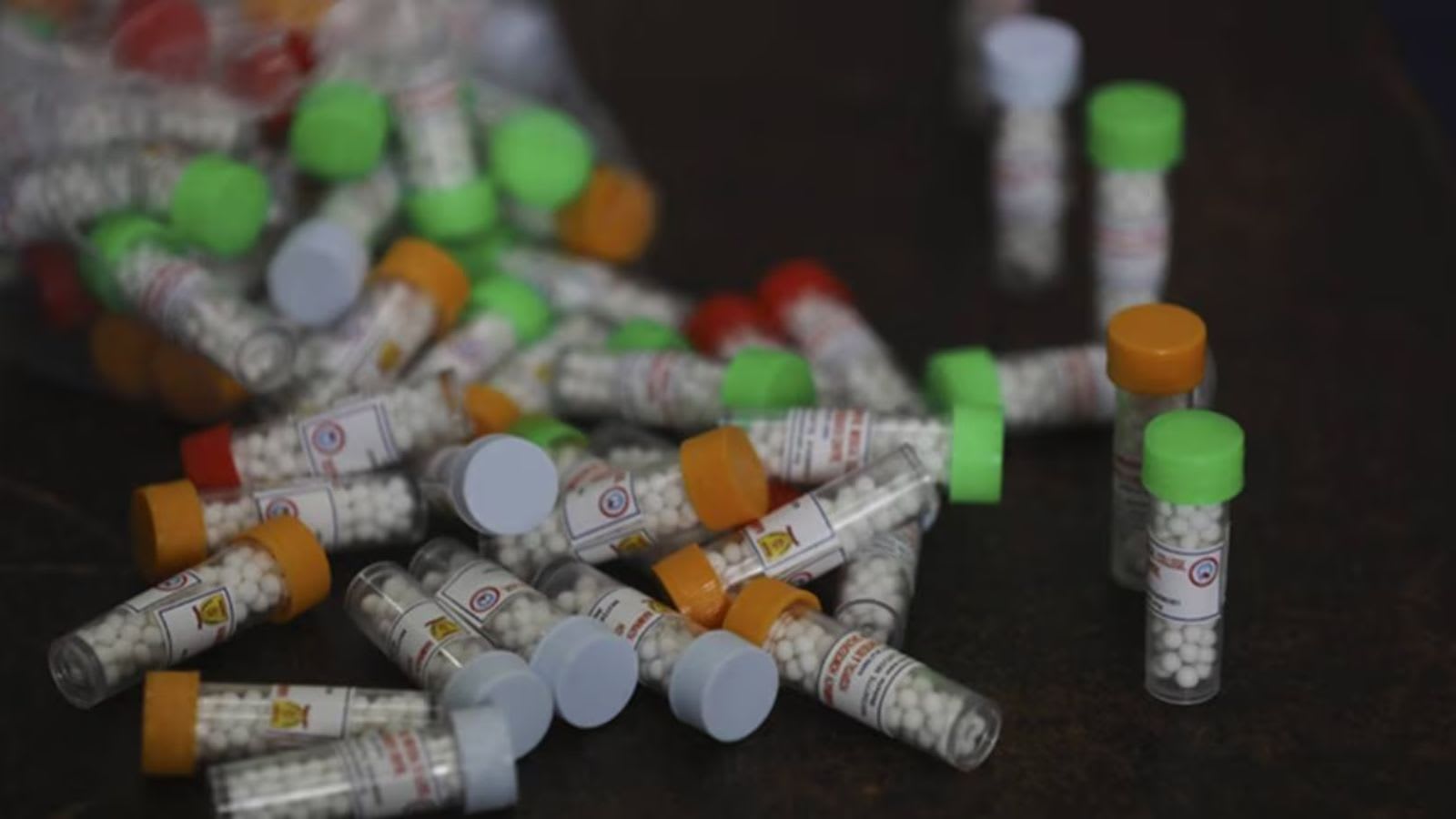
The debate surrounding homeopathy remains polarized between clinical experience and the need for rigorous scientific validation. Experts argue that evolving research tools may finally provide the clarity needed to understand potential biological effects.
The Scientific Crossroads of Homeopathy
Revisiting Settled Science
When NASA looks for life beyond Earth, it employs the mantra of "life, as we know it," a phrase that serves as a profound reminder of the limitations inherent in our current scientific paradigm. As authors Subhash Kaushik and Kishore Paknikar suggest, our understanding of nature is strictly bound by the questions we pose and the technological instruments at our disposal. As these tools evolve in complexity and sensitivity, science is frequently required to revisit domains once considered settled or dismissed, a phenomenon that is currently defining the modern discourse on homeopathy.
The Polarization of Medical Opinion
Few subjects in the medical field trigger as much visceral disagreement as homeopathy. For its proponents, the practice represents a two-century-old tradition that has provided relief to millions of patients, forming a cornerstone of their personal health management. Conversely, the scientific establishment remains deeply skeptical, citing a lack of a plausible mechanism to explain how extreme dilutions—often beyond the point where a single molecule of the original substance remains—could exert any physiological influence beyond the placebo effect.
The Challenge of Biological Plausibility
At the heart of the critique lies the fundamental issue of biological plausibility. Critics point to the basic tenets of chemistry and pharmacology, which struggle to account for the efficacy of substances that appear to be nothing more than water or sugar pills. The lack of a verifiable, repeatable mechanism has kept homeopathy on the fringes of evidence-based medicine, creating a persistent divide between anecdotal clinical success and the rigorous requirements of the scientific method.
Evolving Tools and Future Inquiries
However, the authors argue that the stagnation in this debate may be nearing an end. As our capacity to measure biological interactions at the molecular and quantum levels improves, the possibility of detecting effects that were previously invisible grows. The integration of advanced analytical techniques could potentially bridge the gap between the experiential evidence reported by patients and the empirical data demanded by the scientific community.
A Call for Rigorous Evidence
The future of the homeopathy debate hinges on the transition from subjective testimony to objective, reproducible evidence. While the history of the practice is long, its future depends entirely on whether it can withstand the scrutiny of modern experimental design. By moving beyond the binary of belief versus skepticism, the scientific community may finally be able to determine whether homeopathy holds genuine biological potential or if it truly is a relic of pre-modern medical thought.