Everyday explained: Why do petrol pumps ask you to switch off your engine?
Source Entity
Latest News: Todays Latest News Headlines from India & World | Hindustan Times | Hindustan Times
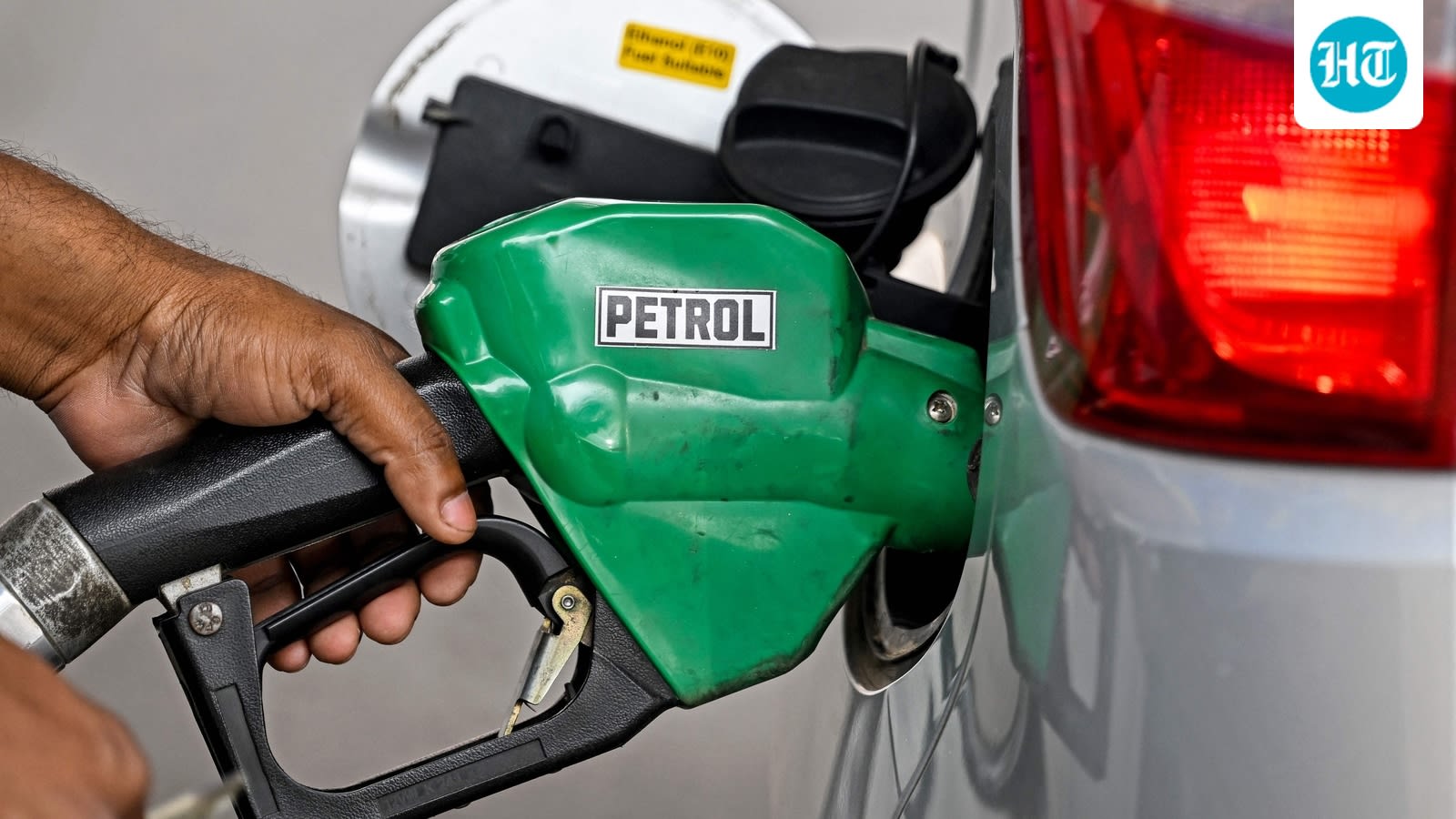
Switching off vehicle engines during refueling is a critical safety practice to prevent combustion. This simple action minimizes the risk of fire by eliminating potential ignition sources like electrical sparks or heat.
The Science of Safety at the Pump
When we pull into a petrol station, the instruction to switch off the engine is a ubiquitous safety protocol. While often treated as a mere administrative formality by motorists, this practice is grounded in fundamental principles of chemistry and physics. The primary objective is to mitigate the risk of ignition in an environment saturated with volatile fuel vapors.
Understanding Volatility and Ignition
Petrol, or gasoline, is highly volatile, meaning it evaporates easily at ambient temperatures. When refuelling, the displacement of air within the vehicle's tank releases these vapors into the immediate vicinity of the pump nozzle. These vapors are highly flammable and can form an explosive mixture when combined with the oxygen in the air. By keeping an engine running, a driver maintains a source of heat and potential electrical activity that could serve as a catalyst for combustion.
The Role of Electrical Systems
Modern vehicles are complex electrical systems. Even when idling, an internal combustion engine generates high temperatures and relies on electrical components such as spark plugs, alternators, and ignition systems. A running engine produces hot exhaust pipes and can occasionally emit sparks from the exhaust or electrical shorts. If these sparks or high-heat surfaces come into contact with the concentrated cloud of fuel vapor lingering near the fuel filler neck, the result could be a catastrophic flash fire.
Risk Mitigation and Human Factors
Beyond the engine itself, the act of switching off the ignition serves as a mandatory 'pause' in the refueling process. It forces the driver to engage with the environment, ensuring that the vehicle is stationary and the handbrake is applied. This behavioral check reduces the likelihood of accidental movement or distraction, which are significant factors in fuel station incidents.
Broader Implications for Public Safety
Petrol stations are high-risk zones that store thousands of liters of flammable liquid. The safety protocols enforced at these locations, including the prohibition of mobile phone use and the requirement to shut off engines, are designed to create a 'zero-spark' environment. Adhering to these rules is not just a regulatory requirement but a vital contribution to the collective safety of the public and the station staff.
Conclusion
In summary, the simple act of turning off an engine is a critical defense against fire hazards. By eliminating the primary sources of heat and electrical discharge, motorists play a direct role in maintaining the integrity of the fuel station ecosystem. Understanding the 'why' behind these common rules fosters a culture of safety that protects lives and prevents property damage.
Verification Required?