The stories our trees tell: Why we need to listen before we cut them down
Source Entity
Ranjit Lal
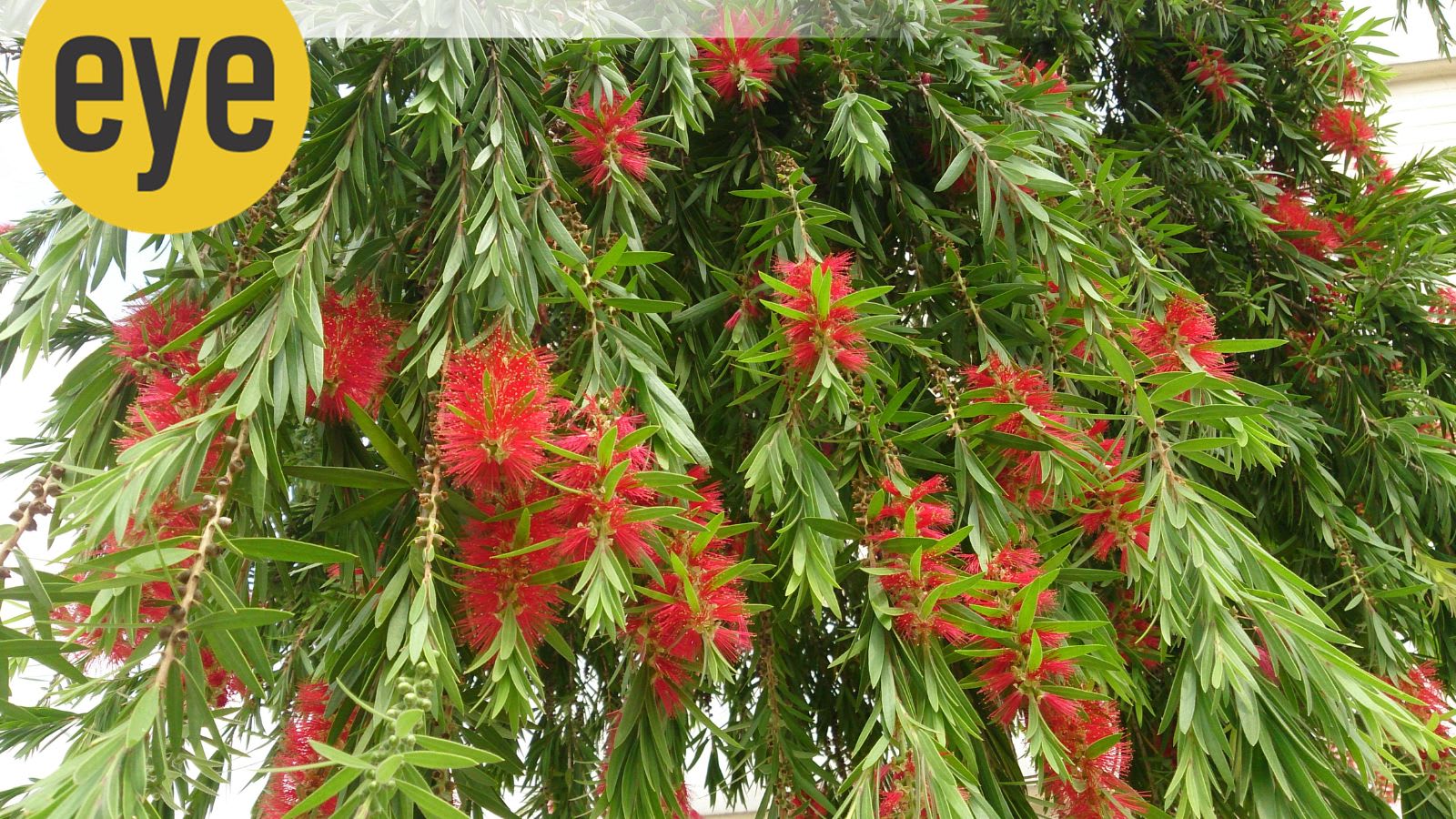
The personal narrative highlights the historical and emotional significance of individual trees in a private garden. It emphasizes the importance of understanding the life stories of trees before making decisions about their removal or management.
The Living History of Our Gardens
When we consider the flora within our immediate surroundings, we often view trees as static background elements or mere landscaping choices. However, the story of an Australian bottlebrush planted over four decades ago serves as a poignant reminder that trees are living archives of our personal and environmental history. This specific tree, having survived an early trauma involving a vehicular collision, demonstrates the remarkable resilience of nature to recover from physical damage.
Resilience and the Process of Recovery
The narrative of the bottlebrush illustrates the long-term biological recovery process that many trees undergo after suffering structural compromise. The act of 'amputating' a branch to assist the tree in regaining its verticality is a testament to the interventionist care required to balance human safety with botanical longevity. The subsequent period of dormancy, or lack of flowering, highlights the physiological shock that trees experience, mirroring the concept of trauma in biological organisms.
The Biological Significance of Flowering
After years of shock, the eventual appearance of scarlet blooms signifies a successful biological recovery. In botanical terms, the return of reproductive activity—flowering—is a critical benchmark of health. It indicates that the tree has moved beyond mere survival and has regained the energy reserves necessary to invest in propagation. This transition is not merely aesthetic; it is a profound indicator of environmental stability within the micro-climate of the garden.
Trees as Silent Witnesses
Beyond their biological functions, trees act as silent witnesses to human events. The fact that this tree was planted by the author’s mother over 40 years ago imbues it with sentimental value that transcends its ecological footprint. This connection between human memory and botanical growth is often overlooked in urban planning and private development, where trees are frequently prioritized for removal based on convenience rather than historical or ecological context.
The Necessity of Listening Before Cutting
Ultimately, the imperative to 'listen' to our trees before deciding to cut them down is a call for a more empathetic approach to arboriculture. By understanding the specific history of a tree—its origin, the trauma it has survived, and its long-term adaptation to its environment—we can make more informed decisions. This perspective encourages a shift from seeing trees as replaceable assets to viewing them as irreplaceable components of our shared history and local ecosystem.
Concluding Thoughts on Stewardship
As we face increasing pressure on green spaces, the lesson provided by this small plot is clear: our relationship with the natural world is a dialogue. Each tree carries a unique narrative shaped by both natural cycles and human intervention. By acknowledging these stories, we foster a culture of stewardship that values the patience and time required to nurture living things, ensuring that these silent companions continue to flourish for future generations.