Eclipse chasers scramble for glasses as stocks run low
Source Entity
BBC News
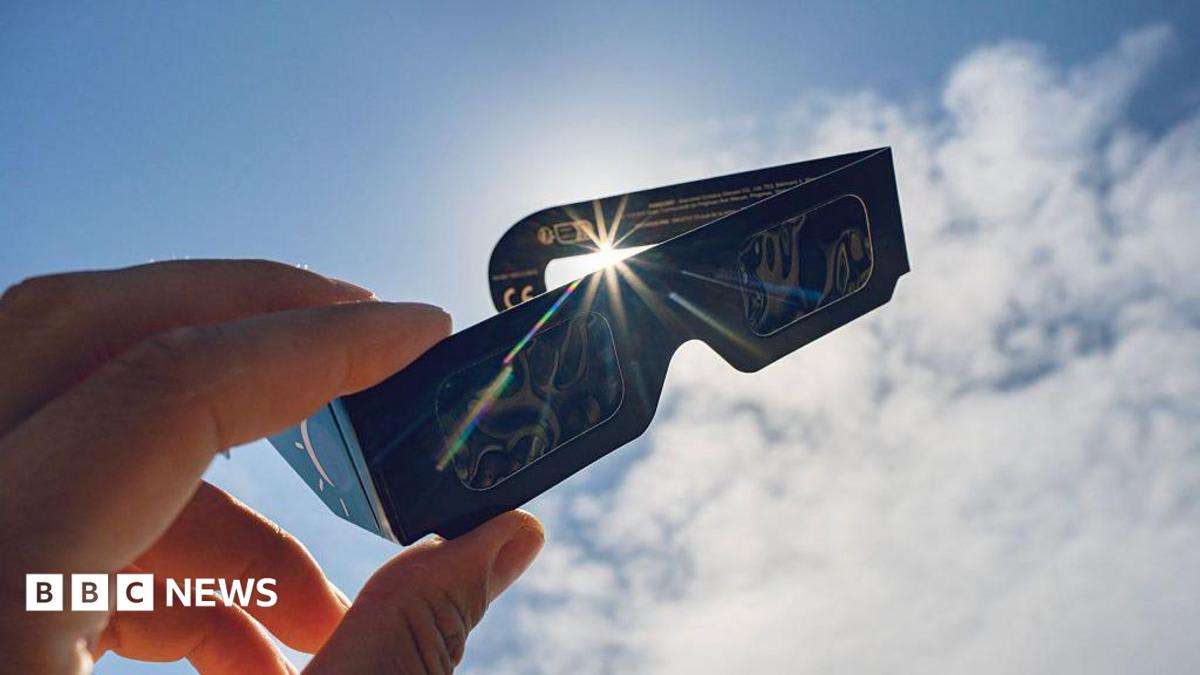
High demand for solar eclipse glasses has led to widespread shortages across the UK ahead of the country's most significant solar event since 1999. Experts are issuing urgent warnings against viewing the sun without certified eye protection due to severe risks of permanent retinal damage.
The Great Eclipse Rush: A Surge in Demand
As the UK approaches its most significant solar eclipse since 1999, a frantic, nationwide scramble for safety equipment has emerged. Retailers, ranging from dedicated scientific suppliers to unexpected outlets like central London bakeries, are reporting a complete depletion of inventory. This surge reflects a heightened public interest in rare celestial events, yet it has created a logistical bottleneck that leaves many observers without the critical tools needed to participate safely.
The Critical Importance of Eye Safety
At the heart of this frenzy is a dire medical warning: viewing a solar eclipse with the naked eye is hazardous. Experts have repeatedly emphasized that even brief exposure to the sun’s intense radiation during an eclipse can result in lasting, irreversible retinal damage. Because the moon obscures the sun, the natural blink reflex is often suppressed, allowing harmful solar rays to damage the eye’s photoreceptor cells before the observer realizes the danger.
Supply Chain Constraints and Market Failure
The current shortage is a classic example of demand outstripping supply in a time-sensitive market. With online retailers reporting that compliant glasses are effectively sold out, prospective viewers are now facing a choice between purchasing overpriced items with exorbitant next-day delivery fees or being left without protection. The inability of traditional supply chains to account for the sudden, massive spike in interest for this specific astronomical event has left consumers vulnerable to both price gouging and the temptation to use inadequate, non-certified makeshift gear.
The Role of Public Institutions
Even reputable organizations like the Royal Museums Greenwich are struggling to manage the public's expectations as resources dwindle. The role of these institutions in providing safety guidance is crucial, as they act as a buffer against misinformation. However, even with their backing, the physical scarcity of ISO-certified glasses means that many enthusiasts may ultimately be unable to view the event directly.
Broader Implications for Future Events
This event highlights a need for better public preparedness regarding astronomical phenomena. As interest in space events grows, the current logistical failure suggests that future eclipses will require more robust distribution networks for safety gear. The lesson from this shortage is that public safety must be prioritized far in advance of celestial events to prevent the scramble currently witnessed across the UK.
Conclusion: A Cautionary Tale
Ultimately, the rush for glasses serves as both a testament to the public's fascination with science and a stark warning about the necessity of preparation. As the window to secure safe viewing equipment closes, the priority for authorities remains clear: preventing eye injuries by discouraging unsafe observation methods. For those unable to secure certified glasses, the only safe approach is to avoid direct observation entirely, relying instead on indirect viewing methods or professional broadcasts to experience this historic event.