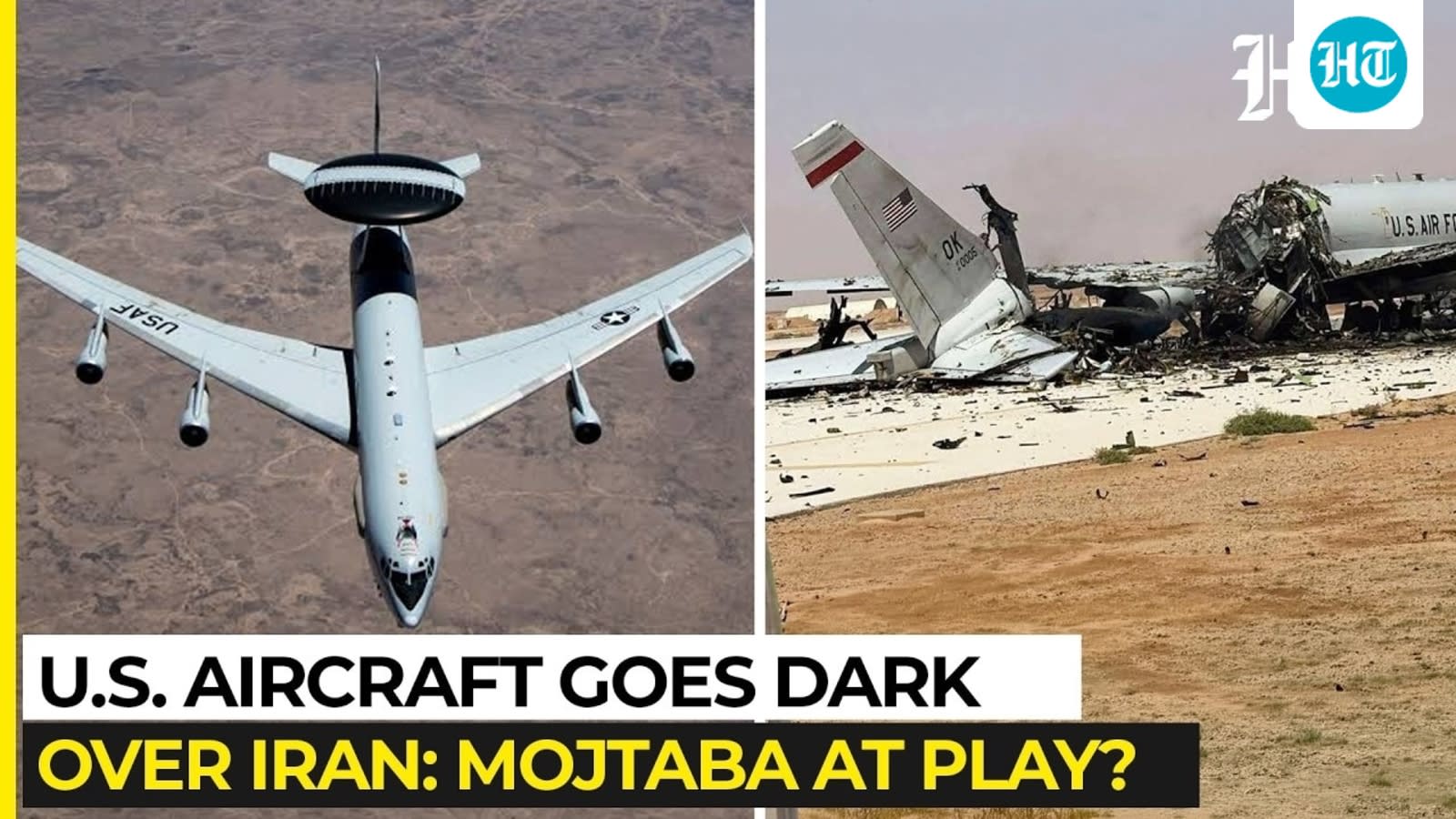
US aircraft goes dark over Iran: Mojtaba teaches Trump's men a lesson after POTUS' Hormuz claim?
Source Entity
Latest News: Todays Latest News Headlines from India & World | Hindustan Times | Hindustan Times
The Strait of Hormuz conflict has created a critical energy supply gap, with conflicting data on crude flows and a severe tightening of global diesel markets. Rising diesel crack spreads and declining stockpiles suggest that market complacency is fading as the physical reality of the supply squeeze takes hold.
The Strait of Hormuz: A Bottleneck for Global Energy
The ongoing conflict in the Middle East has effectively transformed the Strait of Hormuz into a volatile chokepoint, disrupting the lifeblood of the global economy. For nearly six months, this critical maritime artery has seen a sharp decline in tanker traffic, leading to a significant divergence between market projections and the reality on the ground. While US officials contend that crude oil continues to flow at rates higher than analysts anticipate, independent tracking data—relying on satellite imagery and transponder signals—suggests a far more dire reduction in shipments.
The Data Divergence and the Shadow Fleet
Monitoring the true volume of crude traversing the Strait has been complicated by the emergence of a 'shadow fleet.' These vessels actively mask their locations to evade detection, creating a veil of uncertainty that makes it nearly impossible for global energy analysts to provide accurate supply forecasts. This lack of transparency has fueled volatility, as market participants struggle to reconcile official statements with the observable decline in global oil inventories. The reliance on incomplete data sets has left the market vulnerable to sudden, sharp price corrections.
Diesel: The True Indicator of Scarcity
While crude oil futures have remained relatively restrained, failing to consistently breach the $100 per barrel mark, the diesel market tells a far more alarming story. Diesel, often described as the fuel of the global economy, is currently facing a severe supply crunch. The 'diesel crack spread'—the margin between the price of crude and its refined product—has hit record highs in both the United States and Europe. This indicates that even if crude is moving, the refining capacity and finished product availability are failing to keep pace with global industrial demand.
The Shift from Optimism to Physical Reality
For the past six months, commodity traders have largely maintained an optimistic outlook, banking on diplomatic rhetoric and the promise of a swift resolution to the conflict. However, that complacency is rapidly evaporating. As autumn approaches and winter demand for heating fuel looms, the physical reality of the supply squeeze is becoming undeniable. The assumption that the conflict would be short-lived has been replaced by the realization that both the Middle East and Russia—historically major refined fuel exporters—are fundamentally altered by the current geopolitical landscape.
Broader Implications and Future Trends
Looking ahead, the market is bracing for a sustained period of tightened supply. The combination of declining stockpiles, restricted refined product availability, and the inability to effectively monitor maritime transit through the Strait suggests that price volatility will remain the status quo. If the current trajectory continues, global economies may face significant inflationary pressure as the cost of essential logistics and energy inputs rises. The transition from a 'hope-based' market to a 'physical-reality' market marks a turning point that could force major shifts in energy policy and inventory management strategies worldwide.
Conclusion
The situation surrounding the Strait of Hormuz is more than a regional security issue; it is a systemic threat to global energy stability. With diesel shortages intensifying and transparency in crude shipments at an all-time low, the energy sector is entering a period of heightened risk. The fading hope for a quick resolution necessitates a recalibration of market expectations, as the world prepares for the potential of a protracted and severe energy squeeze.
Verification Required?