Opinion: Opinion | 11 Years Later, Houthis Have Returned To Finish Unfinished Business With Pakistan
Source Entity
NDTV News Search Records Found 1000
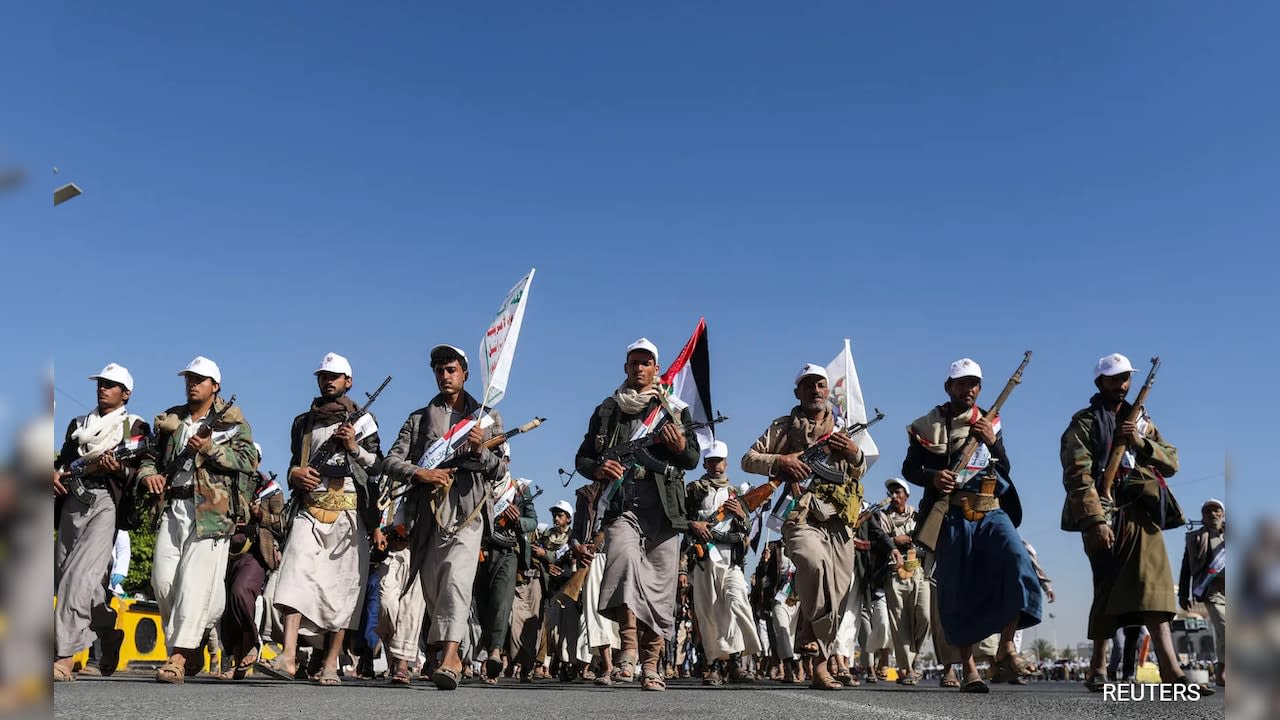
The Houthi movement is reportedly renewing its focus on Pakistan, marking a return to tensions that previously threatened regional stability. This development signals a potential shift in geopolitical dynamics involving non-state actors in the Middle East.
The Resurgence of Houthi Strategic Interests in Pakistan
Recent reports indicate that the Houthi movement, a prominent non-state actor based in Yemen, is once again turning its strategic attention toward Pakistan. This development, framed as a return to 'unfinished business,' suggests that the historical friction between these entities has not been resolved but rather dormant. Understanding this resurgence requires an examination of the complex geopolitical landscape that has defined the relationship between Middle Eastern militant groups and South Asian powers over the last decade.
Historical Context and Past Tensions
The narrative of 'unfinished business' refers to a period roughly eleven years ago when Pakistan was deeply embroiled in regional proxy dynamics. During that time, the country faced significant diplomatic and security pressures as it navigated its relationships with various Middle Eastern stakeholders. The fact that Pakistan 'barely escaped' the previous confrontation underscores the severity of the standoff, which likely involved delicate negotiations and the avoidance of direct military escalation that could have destabilized the region further.
Geopolitical Implications of Houthi Expansion
The Houthi movement has evolved significantly over the past decade, moving from a localized insurgency to a regional power player capable of exerting influence through maritime disruption and strategic posturing. Their renewed interest in Pakistan may be part of a broader strategy to expand their sphere of influence or to challenge existing regional alliances. By re-engaging with a nuclear-armed nation like Pakistan, the Houthis are signaling a shift in their geopolitical ambitions, moving beyond their traditional theater of operations in Yemen and the Red Sea.
Evaluating the Strategic Threat
For Pakistan, this resurgence presents a multifaceted challenge. The country is already managing internal security concerns and a volatile relationship with its immediate neighbors. The re-emergence of a threat from a group that operates with unconventional tactics and transnational reach complicates Pakistan's foreign policy. Analysts must consider how this renewed focus might impact Pakistan’s domestic security architecture and its diplomatic positioning within the Organization of Islamic Cooperation and other international forums.
Future Trends and Regional Stability
Looking ahead, the trajectory of this renewed attention will depend on how both the Houthi leadership and the Pakistani state choose to manage their interactions. If the past serves as a prologue, the situation will likely necessitate sophisticated diplomatic maneuvering rather than overt military conflict. However, given the current volatility in the Middle East, even minor escalations could have outsized consequences for regional peace. Monitoring the movement of assets and diplomatic rhetoric from both sides will be essential in predicting whether this 'unfinished business' leads to a new era of confrontation or a managed containment of hostilities.
Verification Required?