America gets a pass, Saudi Arabia gets missiles? Houthis dare MBS’ allies to enter Yemen conflict
Source Entity
Latest News: Todays Latest News Headlines from India & World | Hindustan Times | Hindustan Times
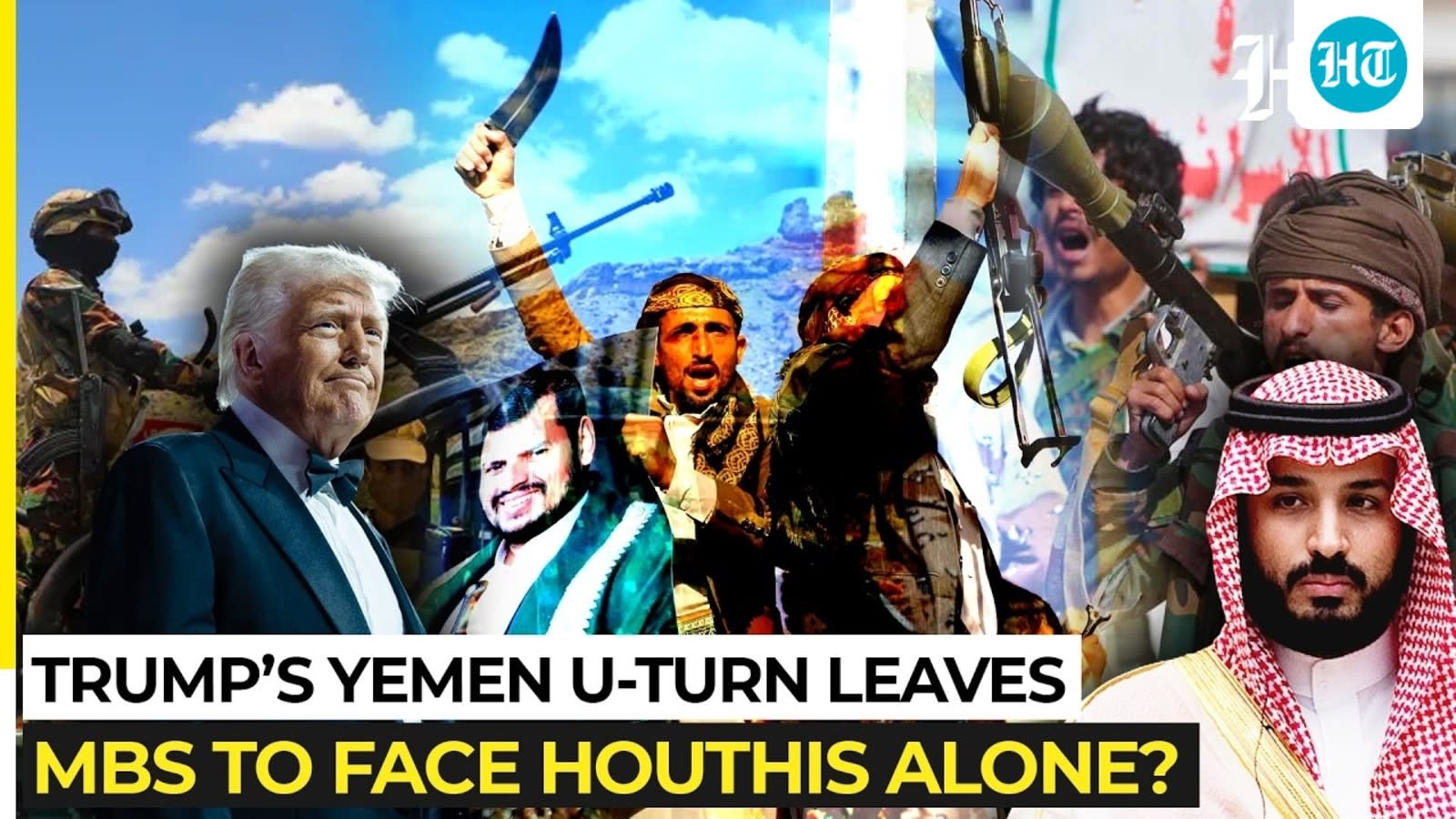
The Houthis have warned regional powers against supporting Saudi Arabia in the Yemen conflict while offering assurances to the U.S. regarding maritime security. This strategic pivot comes amid shifting power dynamics and reported U.S. hesitation to provide direct military support to Riyadh.
The Strategic Pivot: Houthis Attempt to Isolate Riyadh
The ongoing conflict in Yemen has entered a complex new phase characterized by a calculated diplomatic and military strategy from the Houthi movement. By explicitly drawing a line between the United States and Saudi Arabia, the Houthis are attempting to recalibrate the regional balance of power. The assurance provided by Houthi spokesperson Mohamed al-Bukhaiti to the Trump administration—promising that U.S. vessels will not be targeted in the Bab al-Mandab strait—serves as a tactical effort to neutralize American intervention while simultaneously pressuring Saudi Arabia to stand alone.
Shifting Military Dynamics on the Red Sea
These diplomatic overtures coincide with significant Houthi territorial gains along Yemen’s western coast. The capture of strategic areas, including Mokha and various Red Sea islands, has provided the group with leverage over critical maritime choke points. By securing these positions, the Houthis have effectively shifted the tactical landscape, forcing Saudi Arabia to face a more entrenched and emboldened adversary without the immediate guarantee of renewed U.S. military strikes, even in the face of requests from Riyadh for increased support.
Regional Warnings and International Pressure
In a speech on September 21, Houthi leader Abdul-Malik al-Houthi issued stern warnings to regional powers, specifically naming Turkey and Pakistan, cautioning them against joining the Saudi-led campaign. This rhetoric is designed to isolate the Kingdom of Saudi Arabia by framing their military actions as an aggressive, failing campaign that necessitates external intervention. By highlighting the 760 airstrikes allegedly conducted by Saudi forces, the leadership aims to shape international perception of the conflict as a humanitarian crisis rather than a localized security operation.
The U.S. Dilemma: Balancing Alliances
The reported hesitation of the Trump administration to engage in direct military escalation despite Saudi requests presents a significant challenge for Crown Prince Mohammed bin Salman (MBS). While the Houthis accuse the United States of providing underlying support to Riyadh, the lack of direct intervention signals a potential shift in U.S. foreign policy priorities. This perceived distance between Washington and Riyadh provides the Houthis with a window of opportunity to consolidate their recent gains and dictate the terms of engagement on the ground.
Ideological Alignment and Future Implications
Beyond territorial control, the Houthis are leveraging their stance on the Palestinian cause to bolster their regional legitimacy. By linking their resistance against Saudi Arabia to broader regional grievances, the group is attempting to build a narrative of anti-hegemonic struggle. As Pakistan and other nations publicly condemn Houthi attacks, the conflict remains a volatile mix of local insurgency and international power politics. The future trajectory of the war will likely depend on whether Riyadh can secure the external military support it seeks or if the Houthis can maintain their strategy of isolating the Kingdom while avoiding a direct confrontation with the United States.
Verification Required?