Iran must stop arming Houthis in Yemen, G7 says ahead of UN General Assembly
Source Entity
BBC News
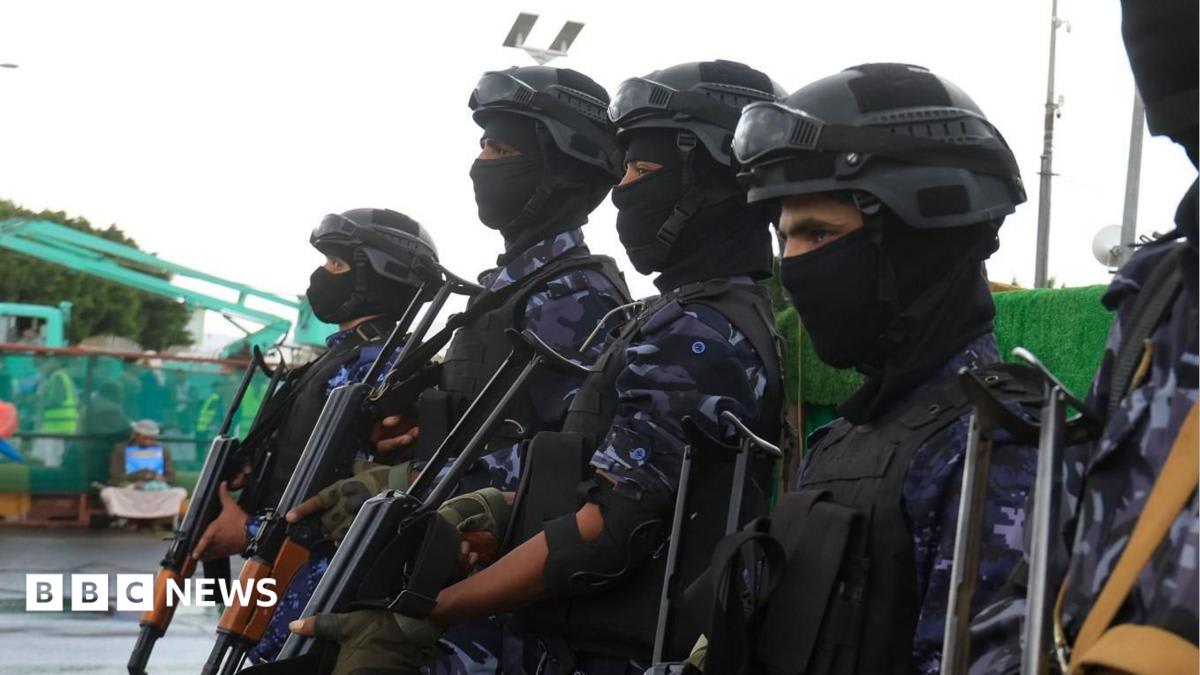
The UK has authorized defensive air-to-air refueling support for Saudi Arabia following Houthi attacks in Yemen. This move aligns with G7 concerns regarding regional stability and the security of critical global shipping routes.
UK Bolsters Saudi Defense Amid Regional Escalation
Prime Minister Andy Burnham has officially confirmed that the United Kingdom will provide defensive air-to-air refueling support to Saudi Arabia. This decision comes in direct response to a formal request from the Saudi government following a series of aggressive strikes launched by Houthi militants based in Yemen. The operational support, which is slated to commence in the coming days, will involve the deployment of a single Royal Air Force (RAF) Voyager aircraft, currently stationed at RAF Akrotiri in Cyprus.
Strategic Context and Operational Scope
The intervention is framed by the UK government as a strictly defensive measure. According to government officials, the assistance is time-limited, with the initial deployment expected to last for a duration of several weeks. The decision was reached following consultations between the Prime Minister, Defence Secretary Wes Streeting, and Foreign Secretary Ed Miliband. By utilizing the Voyager aircraft from Cyprus, the UK provides a logistical advantage to Saudi forces currently engaged in the ongoing civil war against the Houthi movement, which seeks to overthrow the internationally recognized Yemeni government.
Geopolitical Tensions and the G7 Stance
This development occurs against a backdrop of mounting international pressure on Iran, which the G7 nations have accused of fueling the conflict. In a joint statement released ahead of the United Nations General Assembly, G7 foreign ministers condemned the Houthi attacks in the strongest terms. The bloc specifically demanded that Iran cease its support and arming of the Houthi militants, arguing that the escalation not only destabilizes Yemen but directly jeopardizes global energy security.
Implications for Global Trade and Energy
The urgency of this military cooperation is underscored by the strategic geography of the conflict. Recent Houthi territorial gains along the Red Sea coastline have brought the militants closer to the Bab al-Mandab Strait, a vital artery for international trade and global energy supplies. The G7 has expressed deep concern that continued hostilities in this corridor threaten the flow of goods and resources, potentially impacting global economic stability.
Humanitarian and Future Outlook
The broader humanitarian impact of the conflict is severe, with thousands of refugees fleeing Yemen in recent days as fighting intensifies. While the UK’s current contribution is limited to aerial refueling, the situation remains fluid. As the international community prepares for the UN General Assembly, the focus remains on diplomatic pressure to stop the violence, while nations like the UK maintain a posture of providing specific, defensive military support to allies facing direct threats to their territorial integrity.
Multiple Citing Sources