U.S. strikes Greenland deal for 'permanent control over security,' will send forces to Danish dog-sled outpost and reopen Cold War base: report
Source Entity
US Top News and Analysis
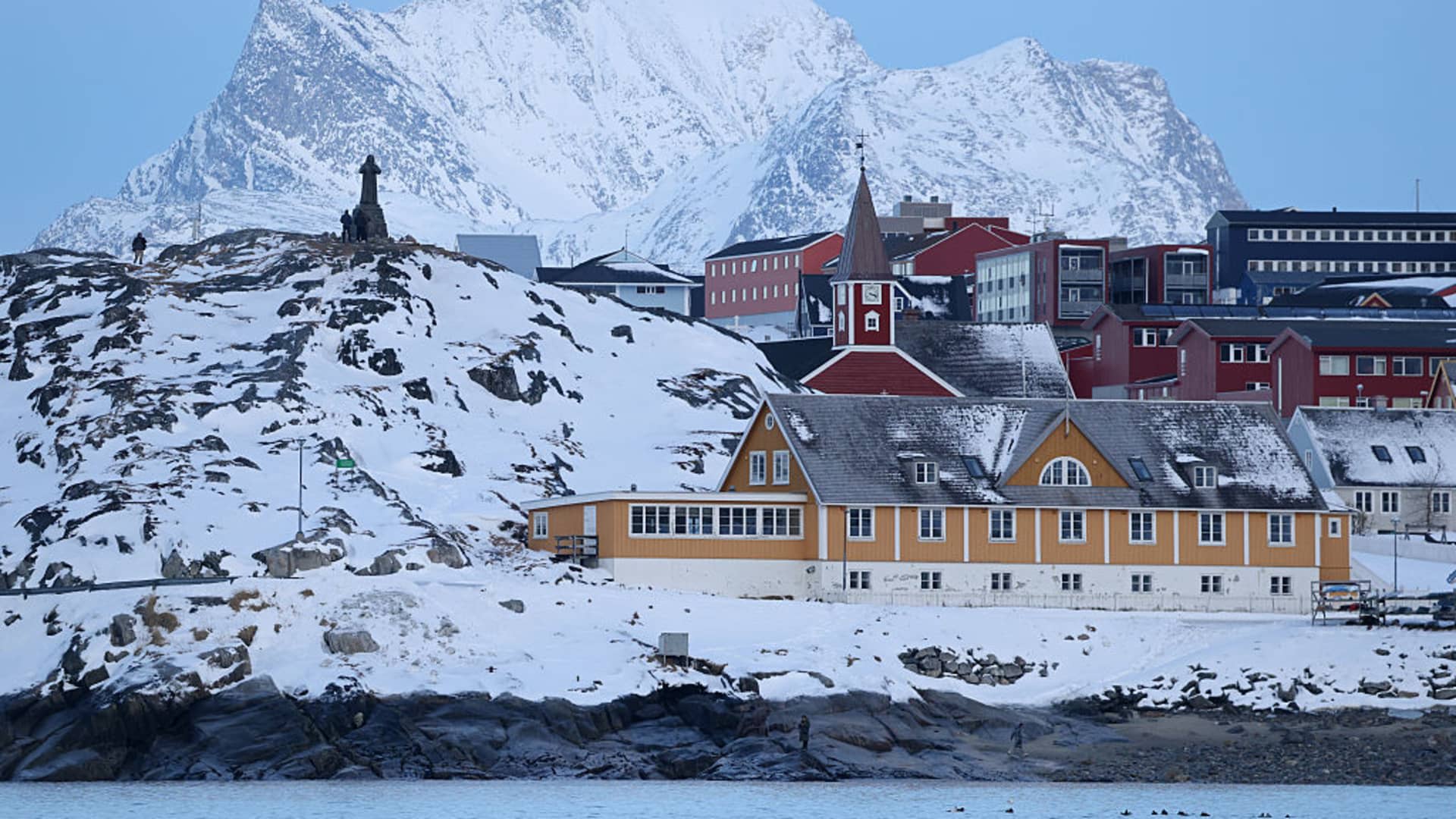
The United States is set to reopen a Cold War-era base in Narsarsuaq and establish a presence at a Danish dog-sled outpost in Mestersvig. This trilateral agreement with Denmark and Greenland aims to bolster Arctic security and formalize U.S. influence in the region.
The Strategic Pivot: U.S. Military Expansion in Greenland
The United States has finalized a trilateral security agreement with Denmark and Greenland to re-establish a significant military footprint in the Arctic. This move includes the reactivation of the former Cold War-era Bluie West One base in Narsarsuaq and the stationing of forces at the Mestersvig outpost, currently utilized by Denmark’s Sirius Dog Sled Patrol. This development signals a major shift in Arctic defense policy, moving from passive monitoring to an active, permanent security presence.
Historical Context and Cold War Echoes
Historically, Greenland served as a critical strategic asset during the Cold War, primarily for its proximity to North American airspaces and its role in the early warning systems of the era. The reopening of the Narsarsuaq site, which operated until the 1950s, suggests that the U.S. is returning to a defensive posture reminiscent of the mid-20th century. By reclaiming these facilities, the U.S. is effectively reviving older infrastructure to meet modern geopolitical challenges in a region that has seen increased international interest due to melting ice caps and shifting trade routes.
The Impact of Diplomatic Pressure
This agreement follows a period of intense diplomatic maneuvering, characterized by pressure from the Trump administration regarding Greenland’s strategic importance. While initial discussions centered on the controversial prospect of acquiring the island, the focus has shifted toward a robust security partnership. President Trump has explicitly characterized this deal as granting the United States "permanent control over security" in the territory, highlighting the administration's priority to solidify influence over Danish island interests.
NATO and Arctic Security
Denmark has emphasized that this new arrangement serves to bring Arctic security firmly under the umbrella of NATO. By integrating these bases into the broader alliance framework, the U.S. and its partners are creating a cohesive security architecture. This move is designed to counter regional instability and ensure that the Arctic does not become an area of unchecked competition, effectively signaling to other global powers that the region remains a priority for Western security interests.
Future Implications and Operational Realities
Looking ahead, the deployment of forces to the Mestersvig outpost indicates a move toward high-latitude operational readiness. As environmental changes continue to make the Arctic more accessible, the ability to project power from these remote locations will become essential. This agreement is not merely a temporary measure but a long-term strategic commitment that will likely dictate the diplomatic and military landscape of the Arctic for decades to come, ensuring that the U.S. maintains a permanent, eyes-on-the-ground presence in the High North.
Multiple Citing Sources