World News Today Live Updates: Houthis claim strikes on Riyadh airport, Aramco refinery
Source Entity
Navya Beri
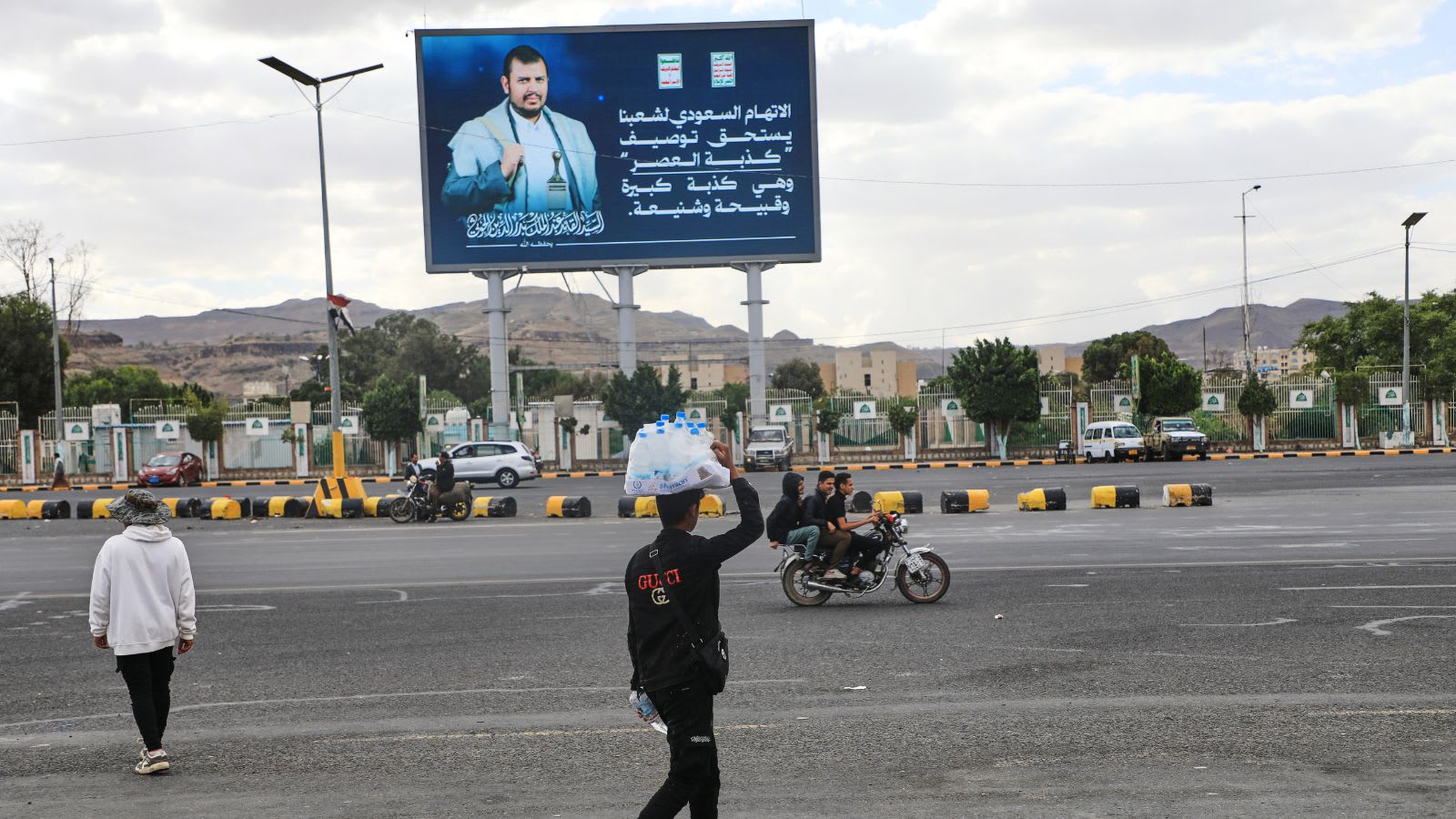
Iran-backed Houthi rebels have claimed responsibility for a multi-pronged aerial attack targeting Saudi Arabia's King Khalid International Airport and an Aramco refinery. These strikes, involving drones and missiles, mark a significant escalation in the ongoing regional conflict between the Houthis and the Saudi-led coalition.
Escalation in the Yemen Conflict: Houthi Strikes on Saudi Infrastructure
Recent reports confirm that Houthi forces in Yemen have launched a series of aggressive aerial operations targeting critical infrastructure within Saudi Arabia. The strikes, which reportedly utilized a combination of ballistic missiles, cruise missiles, and drones, were directed at the King Khalid International Airport in Riyadh and an Aramco refinery in Rabigh. This development represents a sophisticated attempt by the Iran-backed group to project power far beyond Yemen's borders, directly challenging the security apparatus of the Saudi-led coalition.
The Strategic Intent Behind the Strikes
By targeting high-profile locations like the Aramco refinery—a pillar of Saudi Arabia’s economic strength—and the capital's international airport, the Houthi movement aims to exert maximum pressure on the Saudi government. These actions serve both a tactical and psychological purpose. Tactically, they force the Saudi defense systems to operate under sustained pressure across a vast geographic area. Psychologically, they serve to signal that the Houthi military capabilities have matured, moving from localized skirmishes to long-range, cross-border projection.
Regional Geopolitics and External Influence
The involvement of Iran is a critical component of this conflict, as identified in reports regarding the Houthi command structure. The Houthi leadership, notably Abdul Malik al-Houthi, continues to frame these attacks as a response to perceived Saudi aggression, utilizing local propaganda in Sanaa to bolster domestic support. This narrative of resistance is central to the group's legitimacy, positioning the conflict not merely as a civil war within Yemen, but as a regional struggle against a coalition they characterize as hostile to the Yemeni people.
Implications for Global Energy Markets
The specific targeting of an Aramco facility highlights the vulnerability of regional energy infrastructure. Aramco represents the backbone of the Saudi economy, and any disruption to its refining capacity carries potential global ramifications, including volatility in oil supply chains and pricing. As the conflict continues to evolve, the security of these industrial sites becomes a primary concern for international stakeholders who rely on the stability of the Gulf region for energy security.
The Saudi-Led Coalition Response
In direct response to these provocations, the Saudi-led coalition has initiated military maneuvers, including a naval operation in Hodeidah. This indicates a shift toward a more kinetic and multi-dimensional military strategy. By engaging in maritime operations, the coalition is attempting to disrupt the supply lines and logistical capabilities that allow the Houthis to sustain such complex, long-range attacks, setting the stage for a protracted period of increased regional instability.
Future Outlook and Conclusion
Looking forward, the cycle of strike and counter-strike appears likely to continue as neither side has indicated a willingness to engage in meaningful de-escalation. The sophistication of the weaponry used by the Houthis suggests a robust supply chain that remains difficult to fully interdict. As the international community watches these developments, the priority remains the mitigation of humanitarian impacts in Yemen and the prevention of a broader regional conflagration that could destabilize the Middle East further.