HoverAir’s transforming modular drone has already been halted in the US
Source Entity
Sean Hollister
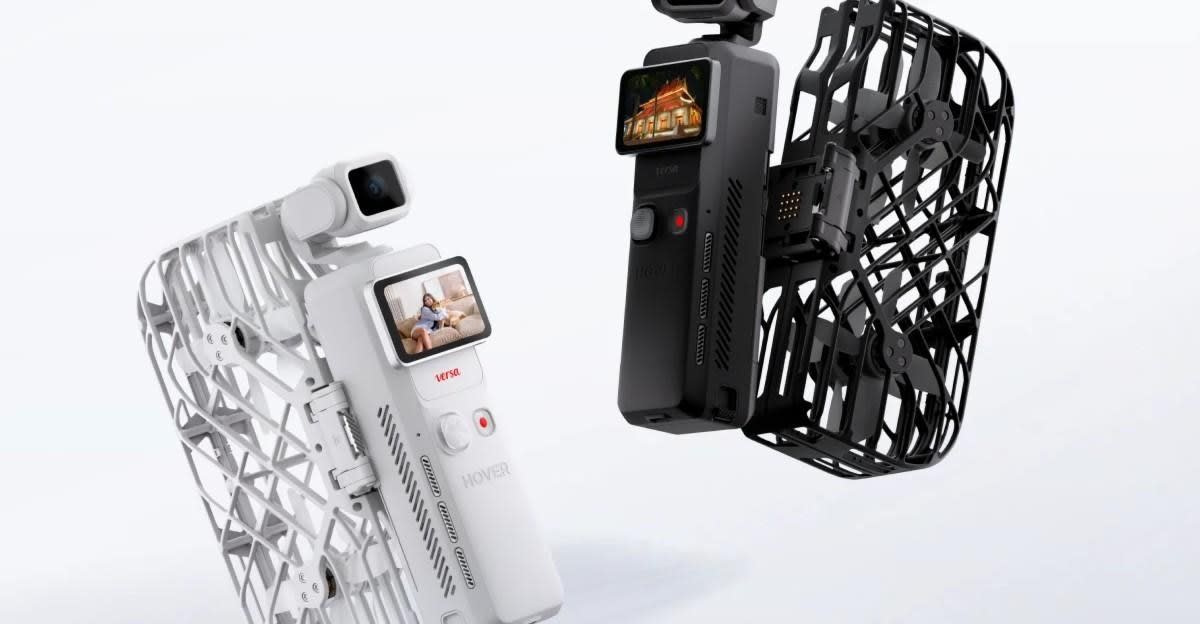
The HoverAir Versa drone has halted US sales following regulatory scrutiny linked to the FCC's recent drone restrictions. The manufacturer is now modifying shipments to exclude the drone-transformation module for US customers.
Regulatory Hurdles for Modular Innovation
The recent disruption surrounding the HoverAir Versa represents a significant escalation in the regulatory environment for unmanned aerial systems (UAS) in the United States. Just three days after its high-profile Indiegogo launch, the product—a modular device designed to function as both a steadycam and a drone—has been forced to halt US orders. This sudden pivot highlights the volatile intersection of consumer hardware innovation and evolving federal oversight.
The Impact of FCC and Regulatory Pressures
While the specific regulatory "drone ban" mentioned in the context refers to broader legislative and administrative actions targeting foreign drone manufacturers, the HoverAir Versa has become an immediate casualty of this tightening net. The policy landscape, which has famously targeted industry leaders like DJI, is increasingly creating a "guilt-by-association" environment for smaller or modular hardware startups attempting to enter the American market.
Modular Design Under Scrutiny
The HoverAir Versa’s unique selling proposition—snap-on propeller wings that transform a steadycam into a flight-capable drone—appears to be the primary point of contention. By separating the camera module from the flight propulsion system, the company is attempting to navigate logistical and regulatory compliance issues. However, informing backers that the US market will only receive the camera component without the flight module underscores the severity of the compliance challenge they face.
Broader Implications for Gadget Enthusiasts
This incident serves as a cautionary tale for the crowdfunding ecosystem. Enthusiasts who backed the project expecting a versatile, transforming gadget are now facing a fragmented product experience. The inability to ship the full modular kit to the US suggests that the definition of what constitutes a "regulated drone" is being applied with extreme caution by companies fearing federal intervention or import seizures.
Future Trends in Drone Regulation
Looking ahead, it is likely that manufacturers will face even stricter "know-your-hardware" requirements. As the FCC and other agencies continue to monitor the drone market for national security and safety concerns, modular devices that can be easily repurposed for flight will likely undergo rigorous pre-market auditing. The HoverAir Versa saga indicates that the days of rapid, borderless hardware deployment for drone-related tech are coming to an end, replaced by a climate of localized compliance and restricted feature sets.