Counterfeit currency racket busted in Hyderabad, ₹2.91 lakh fake notes seized
Source Entity
India Latest News: Top National Headlines Today & Breaking News | The Hindu
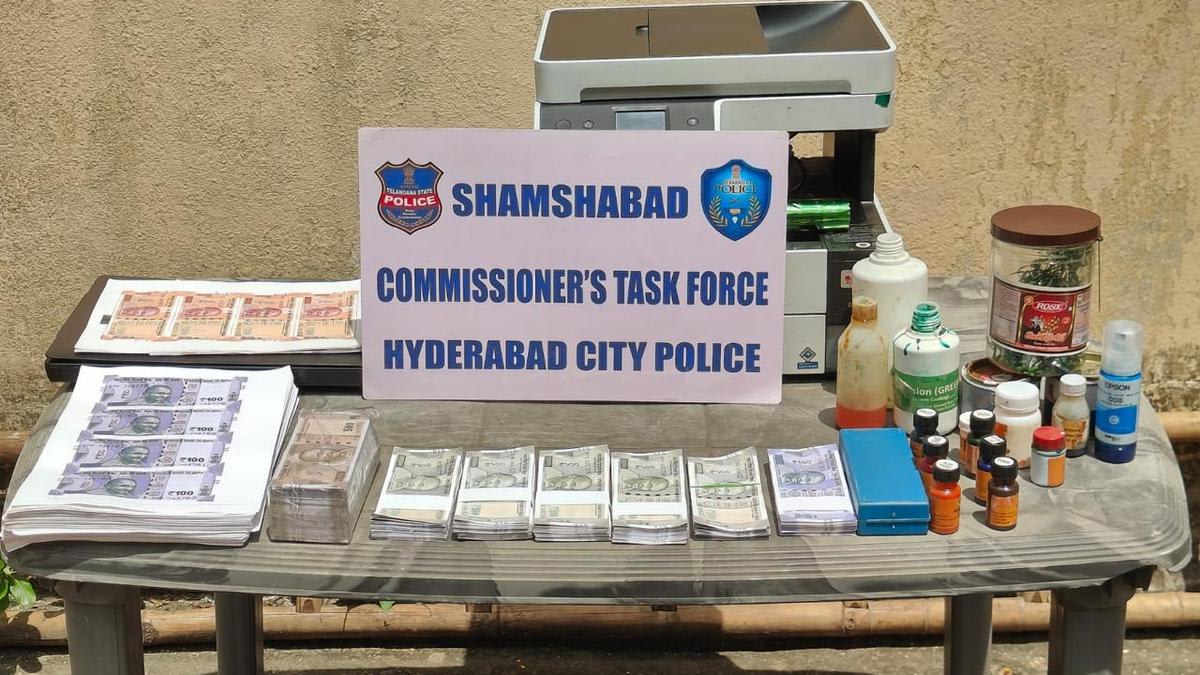
Hyderabad police have dismantled a counterfeit currency racket, arresting three individuals involved in printing and circulating fake notes. The group allegedly targeted small vendors and wine shops to distribute ₹2.91 lakh in forged currency.
Breakdown of the Hyderabad Counterfeit Currency Operation
Recent operations by the Commissioner’s Task Force, Shamshabad Zone team, and Balapur police have successfully dismantled a sophisticated counterfeit currency racket operating out of Hyderabad. The authorities seized ₹2.91 lakh in fake Indian currency notes, along with the specialized equipment and raw materials used in the production process. This bust underscores the ongoing challenges local law enforcement faces in curbing the proliferation of illicit financial activities at the grassroots level.
The Modus Operandi and Socio-Economic Profiles
The individuals arrested—Ramavath Ramu, Ramavath Mothilal, and Ramavath Gandhi—hail from modest economic backgrounds, working as a food delivery worker, a bike taxi rider, and an autorickshaw driver, respectively. Their alleged involvement highlights a concerning trend where individuals with limited resources turn to criminal activity to supplement their income. By circulating the notes in small quantities at night-time venues like wine shops and vegetable markets, the group attempted to exploit the low-scrutiny environment where cash transactions are frequent and hurried, minimizing the chance of immediate detection by vendors.
The Role of Digital Influence in Criminality
A critical factor in this investigation is the role of digital platforms in facilitating crime. According to police reports, the primary suspects learned the technical aspects of manufacturing counterfeit currency through instructional videos on YouTube and Instagram. This reflects a broader, global shift where digital literacy, meant for positive advancement, is being weaponized by bad actors to acquire illicit skills. The ease of access to such tutorials poses a significant challenge for law enforcement agencies attempting to monitor and prevent the spread of criminal methodologies.
Broader Implications for Financial Security
The circulation of fake currency, even in localized instances, poses a threat to the integrity of the local economy. When counterfeit notes enter the supply chain through small vendors, it destabilizes trust in physical currency. While the amount seized—₹2.91 lakh—may appear modest in the context of national financial systems, the cumulative effect of such rackets can lead to significant losses for small-scale merchants who lack the technology to verify note authenticity during high-volume business hours.
Future Trends and Law Enforcement Challenges
As the investigation continues, police are currently searching for an absconding associate, Sudheer John Chela, suggesting that the network may have had more layers than initially identified. The reliance on cheap, accessible printing technology means that law enforcement must remain vigilant against 'cottage industry' style counterfeiting. Moving forward, the integration of better awareness programs for street-level vendors, coupled with aggressive digital monitoring of illicit content, will be essential to mitigating the influence of these decentralized criminal rings.
Verification Required?